On 18 October, Sue and I drove north to the market town of Skipton, situated on the River Aire and the Leeds and Liverpool Canal, just south of the Yorkshire Dales. Its name means ‘sheep town’, but our main interest lay in its castle, which was built in 1090 as a wooden motte-and-bailey fortress by Robert de Romille, a Norman baron.
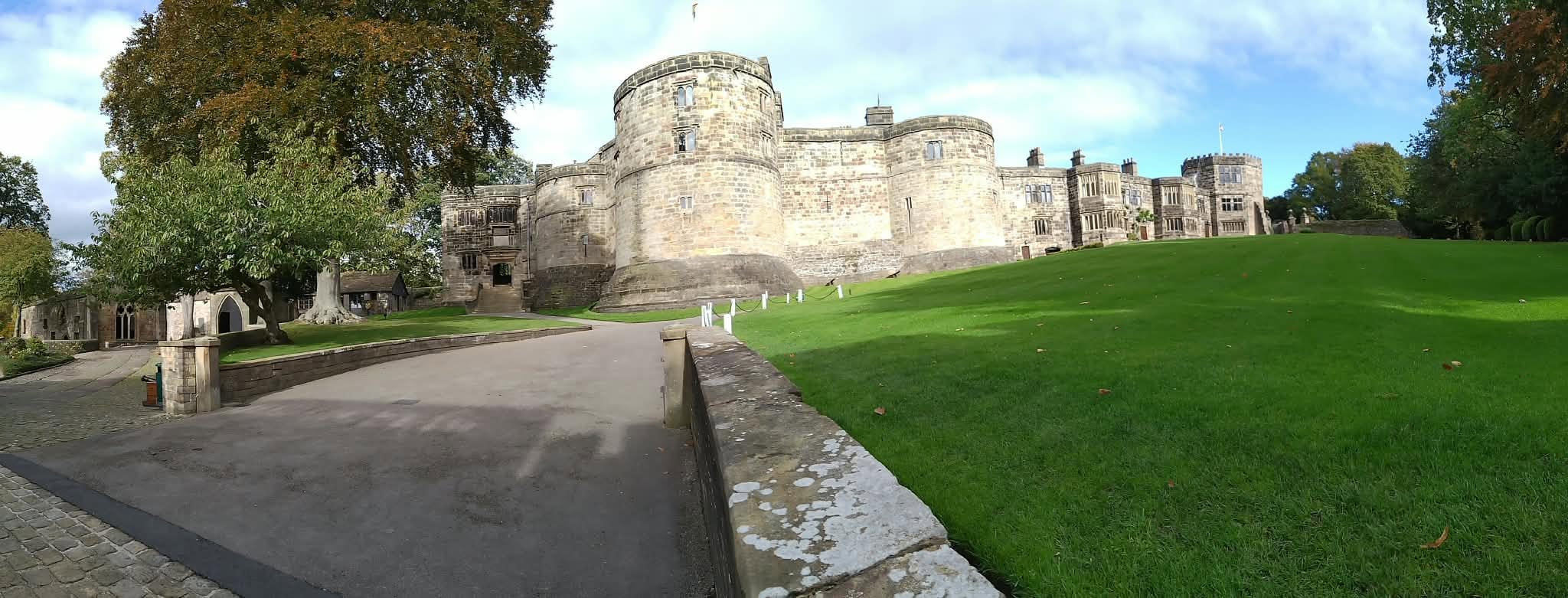
During the English Civil War, Skipton Castle became the last Royalist stronghold in the north of England to surrender, finally capitulating in December 1645 after successfully resisting a siege that had lasted three years.
We were to stay that evening at the Skipton Hotel, on the edge of town, breaking our three-hour journey to eat our packed lunch in the reception area before heading to the castle car park. Although chilly, the day was sunny and ideal for a ramble around a castle and its surrounding town.
The castle has six fortified drum towers, with a domestic range connecting two of the towers on its northern side. This section is protected by a precipice overlooking Eller Beck, a natural defensive feature that must have made life considerably more difficult for anyone contemplating an attack from that direction.
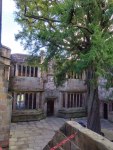
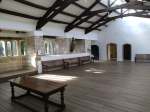
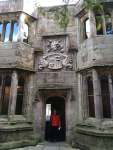 The first floor contains the original kitchen, great hall, withdrawing rooms and the lord’s bedchamber, while the ground floor houses the newer kitchens, storage areas and work cellars. Armed with a floor plan, we followed a clearly marked one-way route through the rooms open to the public.
Edward II granted the castle to Robert Clifford in 1310, and he made substantial improvements to its fortifications. The castle subsequently remained in the Clifford family until 1956, when the Fattorini family purchased it and converted part of the building into the head office of Thomas Fattorini Ltd, a firm of manufacturing jewellers and designers.
Each room contained an information board, accompanied by illustrations explaining its historical purpose. As usual, Sue and I dutifully read them all, determined not to miss any fascinating snippets of history. Whether we retained every detail is another matter, but at least we gave the information boards a fair hearing!
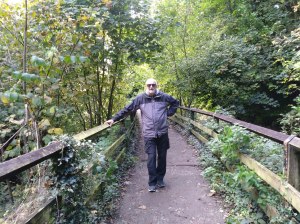
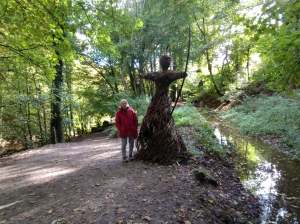 Satisfied that we had gleaned as much as possible from the castle’s history and architecture, we browsed the castle shop before setting off on a trail around the castle walls. The path followed Eller Beck towards a wooded area, offering the prospect of a pleasant woodland ramble. Unfortunately, time was against us, so we resisted the temptation to explore further and made our way into the town centre instead.
Skipton is a popular tourist destination, and even on a Sunday afternoon its centre was heaving with people. We walked along one side of the main shopping street, taking in the various shops, before retracing our steps along the opposite side to inspect the retailers we had missed on the way up.
During our wanderings, we came across a museum housed within the council buildings and decided to investigate. The exhibits proved surprisingly interesting, making it a worthwhile diversion from the shops and crowds.
 On the ground floor, Sue was particularly interested in displays illustrating the geography and history of the surrounding area, while I became absorbed in the diary of a nineteenth-century miller named Richard. His personal account offered a glimpse into everyday life in a bygone age, which I found considerably more engaging than some of the usual museum exhibits.
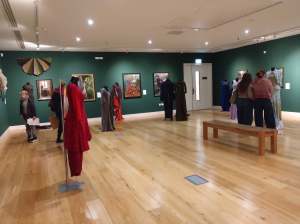
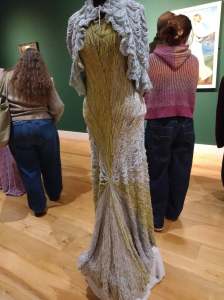
Upstairs, we discovered a rather different collection: designer dresses accompanied by paintings of women wearing the very same creations. The dresses were available either to purchase or to hire, with most retailing for between £2,000 and £3,000, while hiring one would set you back around £50 a day. The paintings were priced at approximately £1,000 each.
Several of the dresses had already been sold, as indicated by the red dots beside their descriptions. Clearly, there were people prepared to spend a small fortune on a dress, even if it might only see the light of day on a handful of occasions. I could only wonder whether the paintings were intended as an additional purchase or whether the owners were content to admire their chosen outfits on canvas once the dresses had been returned!
Having exhausted the attractions of the town centre, we returned to the car and drove back to the hotel. After checking in, we settled into our room to relax, making good use of the complimentary bottle of prosecco before changing for dinner in the hotel restaurant at 6 pm. After a busy afternoon exploring Skipton, a comfortable room and a meal and a very acceptable evening meal in the hotel restaurant, without any further walking, seemed an entirely sensible way to round off the day.
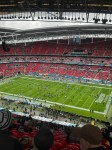
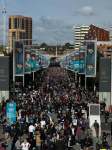
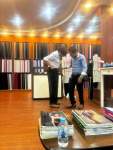
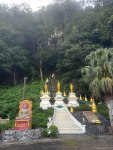
 Although Charlotte, Suraj and Ellis have reported picking up colds in the humid climate of Thailand, they seem undeterred, managing to get out and about to enjoy plenty of activities and sightseeing; it looked from the photos that Ellis has been buying a made-to-measure suit. Meanwhile, Jamie and Ruth spent the weekend in London, taking in the sights of Greenwich before heading to Wembley to watch an NFL game between the Houston Texans and the Jacksonville Jaguars. A weekend combining a little sightseeing with some American football made for a change of scene!
Monday began with a buffet breakfast, accompanied by the depressing sight of distant hills shrouded in grey cloud and rain streaming down the restaurant windows, seemingly intent on raising the water level of the canal running alongside the hotel. Our plan to enjoy a morning ramble into the hills behind the hotel before setting off for our next accommodation in Brampton had been thwarted by the notoriously unpredictable Yorkshire weather.
A quick search of our route north on the internet revealed that we would be passing close to Ingleborough Cave, so we decided to leave the decision to fate and see whether the weather would allow us to visit this attraction.
The cave was first explored in 1837 by Victorian adventurers who drained a lake and went on to discover half a kilometre of previously unexplored passages burrowing deep beneath Ingleborough Mountain, armed with little more than candles to light their way. The cave is reached via a well-maintained Nature Trail, which winds for just over a mile through beautiful woodland.
Much of our journey to the pretty village of Clapham, nestled beneath Ingleborough on the edge of the Yorkshire Dales National Park, was undertaken in the rain. However, as if by magic, the clouds parted, and the sun emerged just as we approached the village. It was clearly meant to be!
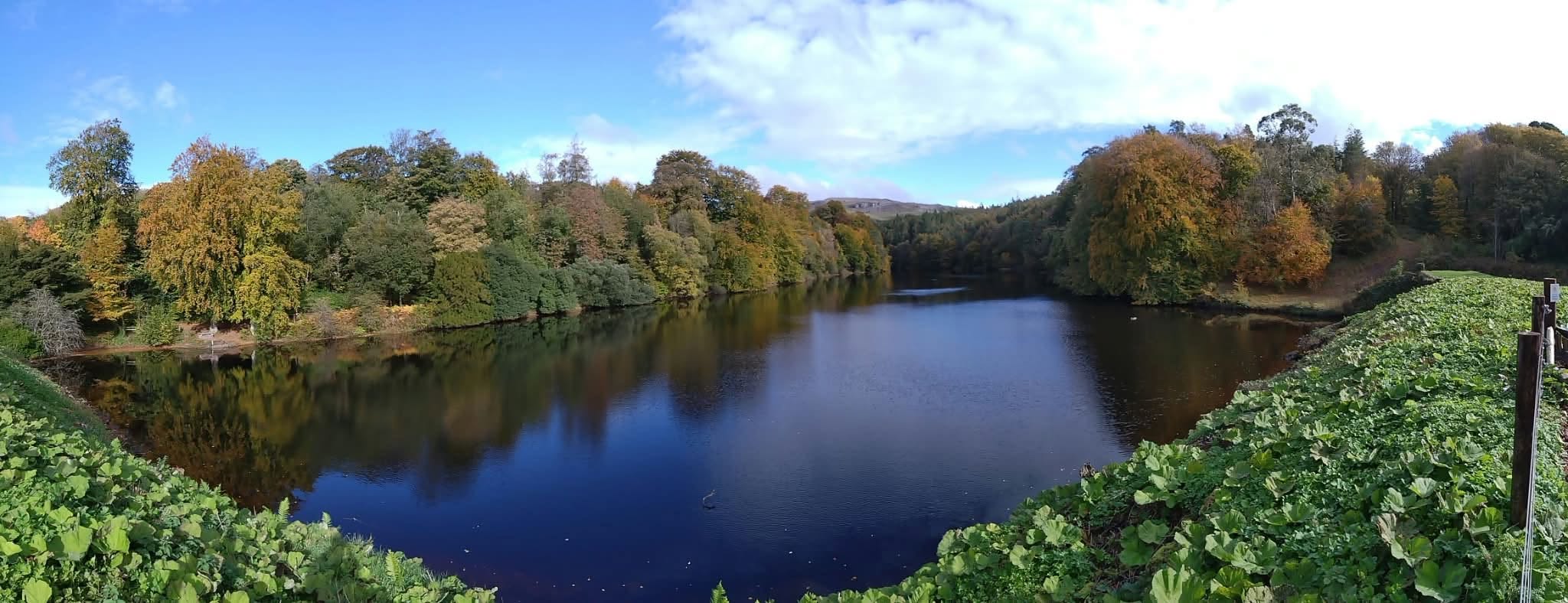
We parked beside the church and walked the short distance to the combined ticket office and café. £34 lighter in the pocket, and perhaps a little lighter in spirit at the thought of the expense, we set off optimistically along the 1.3-mile gravel path, which climbs gently through the Ingleborough Estate.
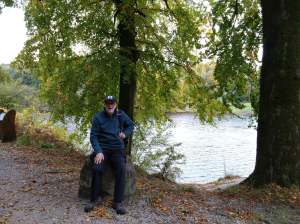
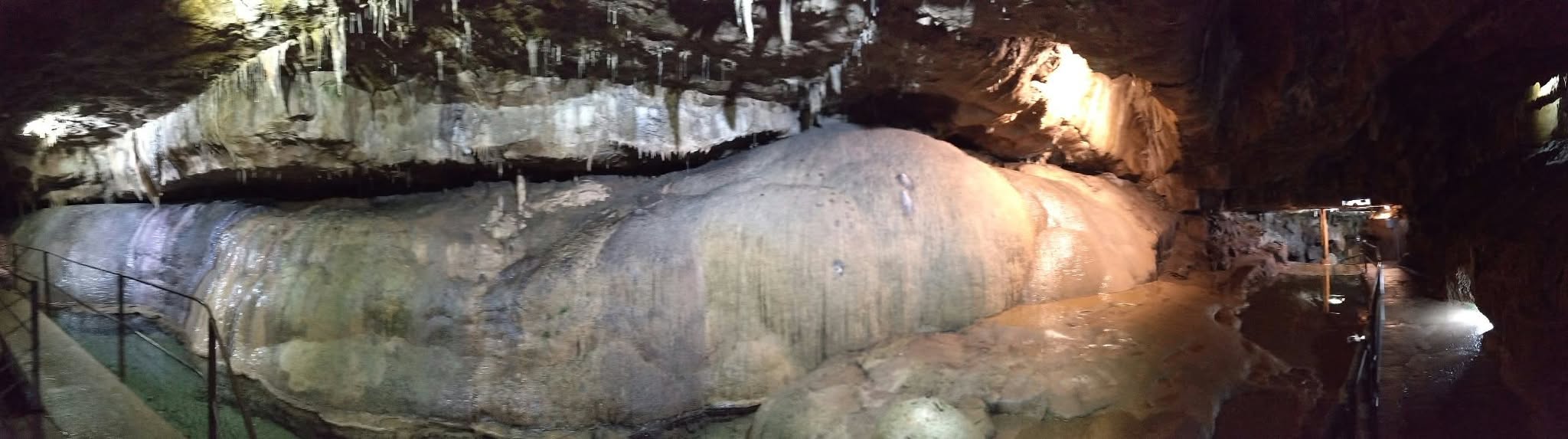
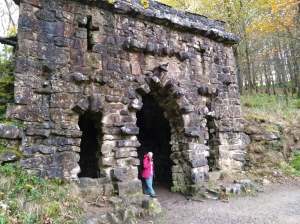 Our good fortune with the weather continued as we passed a picturesque lake, the Money Tree and Aunt Bessie’s Grotto, before eventually arriving at the imposing entrance to Ingleborough Cave. Having presented our tickets, we were issued hard hats, given a crib sheet identifying the various features to look out for and ushered inside through an airtight metal door.
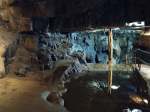
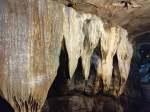
The cave offered a self-guided tour, allowing us to explore at our own pace without having to move on just when something caught our interest. Just as we like it! The crib sheet proved invaluable in identifying the various rock formations, including the alligator, witches’ fingers and coffee pot, among others.
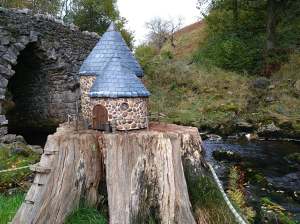
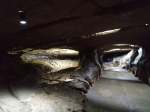
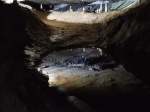
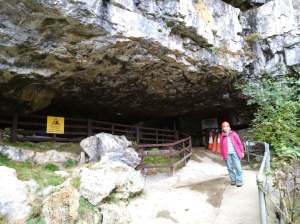 Over the years, we have explored numerous cave systems, some more challenging and interesting than others, but Ingleborough Cave proved ideal for a couple of seventy-year-olds. The only real challenge was a section of low ceiling that required us to stoop; otherwise, a well-laid concrete path enabled us to venture comfortably for more than half a kilometre into the mountain. Discreet lighting displayed the calcite flows, stalactites and stalagmites to their very best advantage, making for an impressive underground experience without requiring us to undertake any heroic feats of agility.
 When we emerged back into daylight, it was obvious that a heavy shower had passed through while we were underground. We had trusted to fate, and it hadn’t let us down!
As we retraced our steps, we continued a little treasure hunt of our own, collecting a sizeable stash of sweet chestnuts scattered along the path. These would provide a useful addition to our autumnal foraging, making the walk back to the car doubly worthwhile.
Back at the car, we resumed our journey north, completing the hour-and-a-half drive to the Howard Arms Hotel in Brampton in light traffic and, thankfully, perfect driving conditions. This allowed me to enjoy occasional glimpses of the stunning scenery through which we were travelling, rather than having to concentrate quite so intently on the road ahead.
Our accommodation was a late eighteenth-century coaching inn with Grade II listed status. Charles Dickens reputedly stayed there during one of his reading tours, although the establishment has a rather surprising chapter in its history. For much of the first half of the twentieth century, the Howard Arms operated as a temperance hotel and refused to serve alcoholic drinks. Thankfully, those days are long gone!
After checking in, we parked the car in the public car park behind the hotel before setting off to explore this northern market town.
We soon stumbled across a rather quirky antique shop housed in an old church building. We spent some time browsing its dusty displays, hoping to uncover some previously undiscovered treasure. Sadly, despite our best efforts, nothing caught our eye sufficiently to justify rescuing it from its dusty resting place. Perhaps the antiques were simply waiting for a more discerning customer, or perhaps our pockets had already suffered enough for one day!
We dined that evening in the hotel restaurant on a three-course menu that left both of us stuffed to the gills and struggling to climb the stairs to our room and bed.
After another substantial breakfast, eaten while rain cascaded down the windows outside, the inclement weather forecast did little to lift our spirits. Nevertheless, we were determined to press on with our long-standing plan to visit Hadrian’s Wall.
Our destination was Housesteads, Britain’s most complete Roman fort, dramatically situated on the Whin Sill escarpment, with stretches of Hadrian’s Wall flanking the site. Built within a decade of the Wall’s construction beginning in AD 122, the fort was once garrisoned by an 800-strong infantry regiment and remained in use until the end of the fourth century.
The twenty-minute drive across the mist-shrouded moors of Northumberland brought us to an empty car park at the visitor centre. As we pulled on our hiking boots at the rear of the car, a public bus pulled up and deposited five passengers. To add insult to injury, the rain stopped. Drat! So much for having the place to ourselves!

Having paid the £5 parking fee, we made our way up the slope towards the fort and museum. After paying our admission, we took advantage of the museum’s warmth, perusing the Roman artefacts and watching a short film about the history of the Roman occupation while waiting for our guided tour to begin.
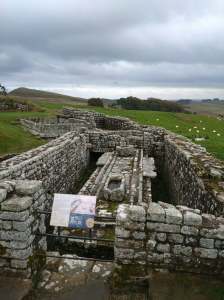
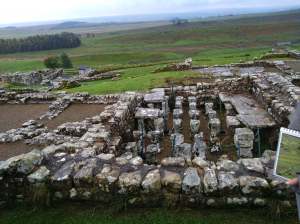 Eight other hopefuls had arrived to join the tour, and, accompanied by a stiff, chilly breeze, we spent the next hour and a half exploring the ruins. Our knowledgeable guide brought the site to life, explaining its construction and military purpose, as well as describing something of the daily lives of those who had occupied the fort nearly two thousand years ago.
Thankfully, the rain stayed away, allowing us to walk a section of Hadrian’s Wall as far as Milecastle 23 after the tour had finished. For part of the way, we were accompanied by a member of staff dressed in authentic Roman legionary attire. He was taking his dog for a walk after giving a demonstration of Roman clothing to a small group of schoolchildren who had arrived earlier. One suspects the dog was rather less interested in Roman military history than the children!
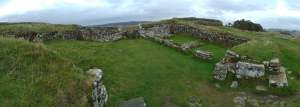
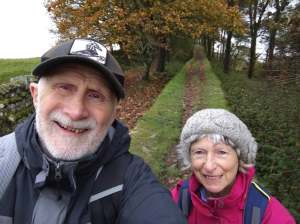
With the skies beginning to clear, we returned to the car and drove a short distance to the Steel Rigg car park, the nearest access point to the famous Sycamore Gap Tree.
Also known as the Robin Hood Tree, this 150-year-old sycamore once stood in a dip in the landscape, formed by glacial meltwater, beside Hadrian’s Wall near Crag Lough. One of the most photographed trees in Britain and an emblem of the North East, it became an iconic feature of the landscape. Sadly, it now exists only as a stump, having been illegally felled in 2023.
Sue and I vividly remember hearing the news of its destruction while aboard a cruise ship. Like the rest of the country, we were appalled by such a senseless act of vandalism, which robbed the nation of a much-loved landmark.
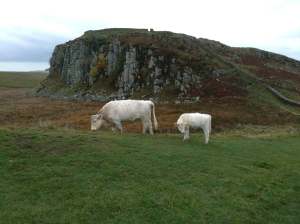
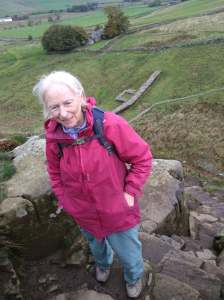 Unfortunately, my decision not to bring my GPS proved to be our undoing. Leaving the car park, we followed a trail that soon developed into a challenging climb over the hillside. What had initially appeared to be a straightforward walk became a strenuous mountain ascent, with consequences that would soon be felt in Sue’s knees.
The views across the Northumberland countryside from the higher ground were exceptional, but I could see that the steep and precipitous start to our walk was already taking its toll on Sue. She painfully struggled onwards for another kilometre before we reluctantly acknowledged that, if we had to retrace our steps, she would probably be unable to manage the return journey.
With little alternative, Sue took the car keys and began making her way back while I pressed on alone.
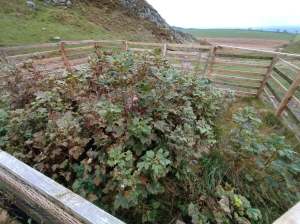
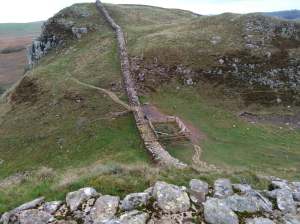
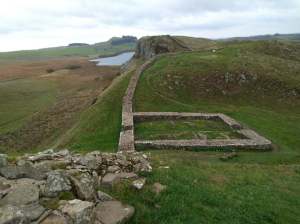 To add to my frustration, I had walked only another 40 metres along the trail when I came across the tree. Had I brought my GPS, which normally lives in my rucksack, I would have known precisely how far we were from our destination and could have avoided putting Sue through such an ordeal.
The descent into the Gap was extremely steep and awkward, and I suspect it would have been too much for Sue’s painful knees. I made my way down to the stump, which now has several shoots growing from its base, and took a few photographs. While there, I chatted to a couple enjoying a picnic beside it. They helpfully, if rather frustratingly, informed me that a shorter, much flatter route led from the car park to the tree.
Had I brought my GPS, I would have discovered this for myself, and Sue could have enjoyed the walk without the unnecessary climb! Instead, I returned by the lower route to find her recovering in the comfort of the car.
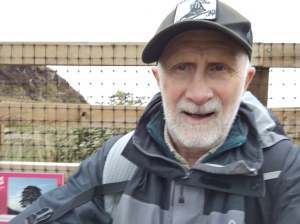 To make matters worse, there were no signs indicating the location of the tree or the Gap from the car park or along either route. I can only assume that some of the signage had been removed following the mindless act of vandalism, although why the authorities would remove information that visitors needed was beyond me.
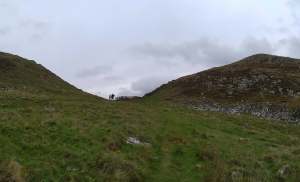 We returned to the Howard Arms Hotel, where a couple of strong cups of coffee helped restore our flagging spirits. We then turned our attention to finding somewhere to eat that evening, searching Google Maps without success. It appeared that our hotel was the only establishment in town serving food seven days a week, as the other two places were closed on Mondays and Tuesdays.
Consequently, at 6 pm, we made our way down to the hotel bar, where we managed to secure the only remaining table for the evening. Having learnt our lesson from the previous night’s enormous portions, we wisely opted for just one course each, which proved to be quite sufficient.
We rounded off the evening in our room with glasses of Prosecco and some television, reflecting on a day that had delivered Roman history, spectacular scenery and a memorable landmark, albeit with rather more climbing than either of us had bargained for. As for my GPS, it had once again demonstrated that there are occasions when technology is worth its weight in gold, particularly when your wife’s knees are involved!
On a much sadder note, late that evening Sue received a telephone call from Paddy Keene, the husband of Linda, who had looked after Charlotte as her childminder 43 years ago. Over the intervening years, Linda had remained a close and much-valued friend, and she and Sue had continued to meet regularly for lunch and a catch-up.
Paddy had the heartbreaking news that Linda had died unexpectedly that morning, having apparently fallen asleep at home. Although she had been unwell for some time, her death came as a terrible shock. Sue was particularly saddened by the news, as she and Linda had been looking forward to meeting up again when we returned from our travels in the north. It was deeply upsetting to think that a friendship spanning more than four decades had come to such a sudden and unexpected end.
With breakfast consumed, check-out completed and the hotel staff praised for making our stay such a pleasure, we loaded the car and set off south on a chilly but, thankfully, dry morning. Our destination was the Burns Hotel in Huby, near York, where we had booked a couple of nights to break up our journey home.
We had stayed at the hotel several years earlier, when I had treated Sue to a Bird of Prey Experience for her birthday. This had given her the opportunity to handle and fly a variety of magnificent raptors at the associated bird sanctuary. Sadly, the sanctuary had closed a year previously, putting an end to any thoughts of repeating the experience. Nevertheless, the hotel remained a convenient stopping point, and with several historical attractions along our route, we were determined to make the most of the day.
Our first stop came within half an hour, when we arrived at Brougham Castle, just two miles south-east of Penrith in Cumbria. What remains today is an impressive collection of ruins, but the site has a history stretching back well beyond the medieval period. The castle was founded by Robert I de Vieuxpont in the early thirteenth century, strategically positioned near the confluence of the rivers Eamont and Lowther. The Romans had recognised the importance of this location centuries earlier, establishing a fort here known as Brocavum, close to the junction of important routes through the region.
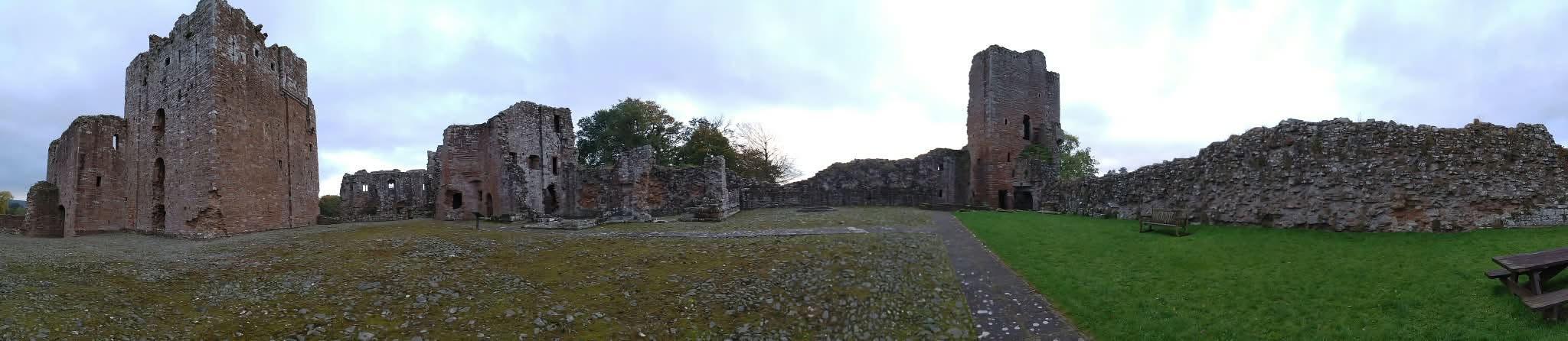
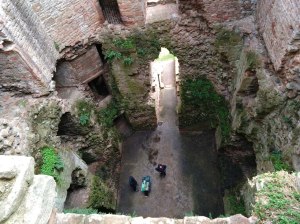
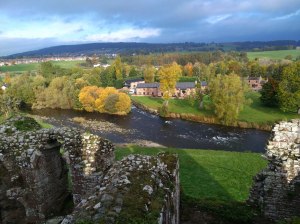 One of the highlights was climbing the 70 narrow spiral steps to the top of the keep. The ascent provided some excellent views across the surrounding Cumbrian landscape, as well as plenty of opportunity to discuss what life might have been like for the castle’s former inhabitants. We also discovered some fascinating graffiti carved into the stonework, dating from the seventeenth century. It set us wondering whether today’s spray-painted offerings would survive quite so well. Perhaps, in several hundred years, future visitors will be admiring the historic scribblings of Banksy.
Leaving Brougham Castle behind, we drove for just ten minutes to our next destination, Mayburgh Henge, another fascinating reminder of the area’s ancient past.
Mayburgh is a prehistoric monument thought to date from the late Neolithic period or early Bronze Age, approximately 4,500 years ago. Unlike many prehistoric monuments, its enormous circular bank was constructed almost entirely from pebbles gathered from the nearby river. The bank rises to around three metres in places and encloses a substantial area, with a single standing stone near the centre.

Early drawings suggest that the central stone was once part of a more elaborate arrangement, with additional stones positioned around the entrances. Sadly, several have disappeared over the centuries, reportedly removed during the eighteenth century. It seems that the urge to rearrange other people’s ancient monuments (à la Donald Trump) is by no means a modern phenomenon!
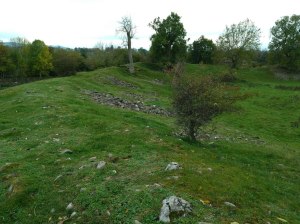 After parking at the roadside, we walked the short distance to the monument and climbed onto the pebble bank, which was now largely covered in grass. Despite its green appearance, the uneven surface made walking a little awkward. A few sheep grazed unconcernedly on the slopes, apparently quite accustomed to the occasional curious tourist wandering through their territory.
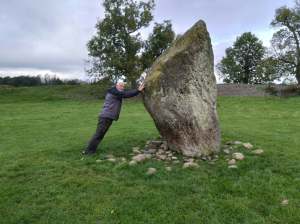 The original purpose of Mayburgh remains uncertain. It may have served as a ceremonial or religious gathering place, a meeting point for prehistoric communities, or perhaps a combination of these functions. Whatever its precise purpose, the scale and solidity of the earthwork gave it a remarkable sense of permanence. Standing there, it was difficult not to wonder about the people who had laboured to construct it thousands of years ago, and what they might have thought of two modern-day visitors clambering over their handiwork.
We inspected the surviving central standing stone, lamented the loss of its companions and then made our way through what appeared to be the original entrance before returning to the car.
Just five minutes down the road lay our next prehistoric curiosity, Arthur’s Round Table.
Despite its romantic name, this is another prehistoric earthwork rather than a site with any established connection to King Arthur. The henge is generally dated to around 2000 BC and measures approximately 90 metres across. Its enclosed area is about 50 metres in diameter, surrounded by a ditch reaching up to 16 metres wide. There were originally thought to have been two entrances, although the north-western one has been largely destroyed by a road.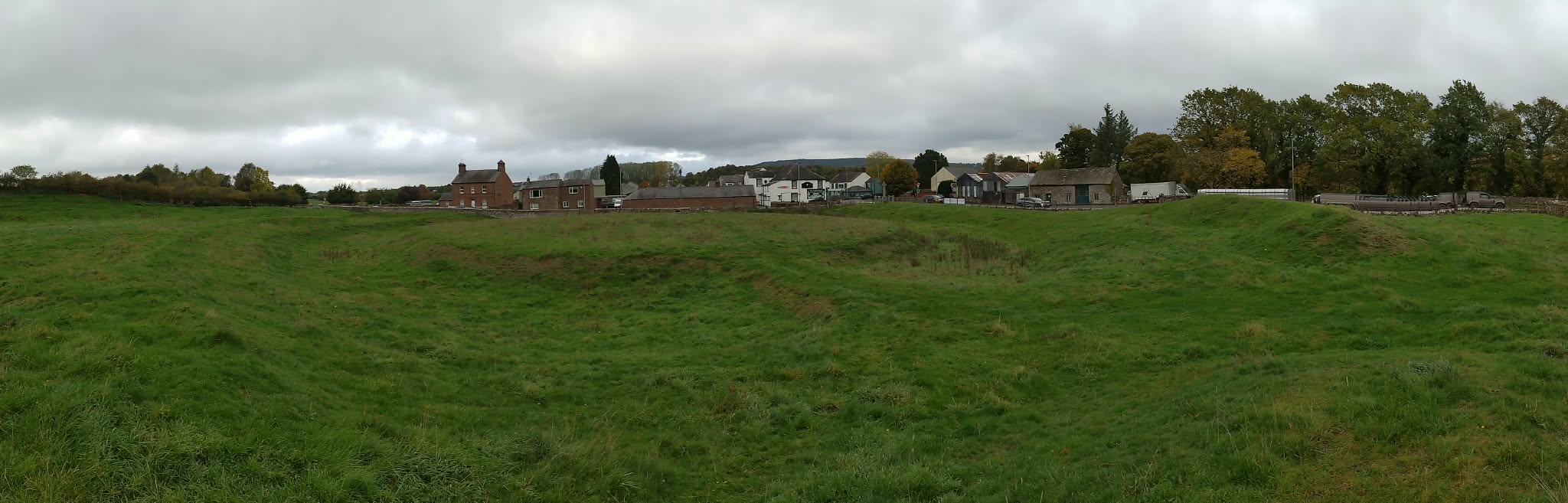
The association with King Arthur appears to have developed much later, when local folklore transformed the ancient earthwork into a supposed arena for jousting. It was an imaginative explanation, if not a particularly convincing historical one.
Once again, we parked beside the road and passed through a field gate to explore the site. We walked around the circumference before climbing the far bank to look back across the enclosure and appreciate its overall shape. There was not a great deal to see beyond the ditch and raised earthwork, but we tried to imagine how it might once have looked and whether its later reputation as an Arthurian jousting arena owed anything to its original layout.
Having enjoyed our brief encounter with two prehistoric monuments, we set off for our next exploration of antiquity, approximately 20 miles away in the village of Brough.
Brough Castle stands on a ridge overlooking the upper Eden Valley, commanding the strategically important Stainmore Pass. Like Brougham, it occupies the site of an earlier Roman fort, known as Verteris. The earthworks date back to an eleventh-century castle, although the surviving masonry largely reflects later medieval rebuilding. The castle became one of the strongholds of the powerful Clifford family, who maintained their association with it for around 450 years.
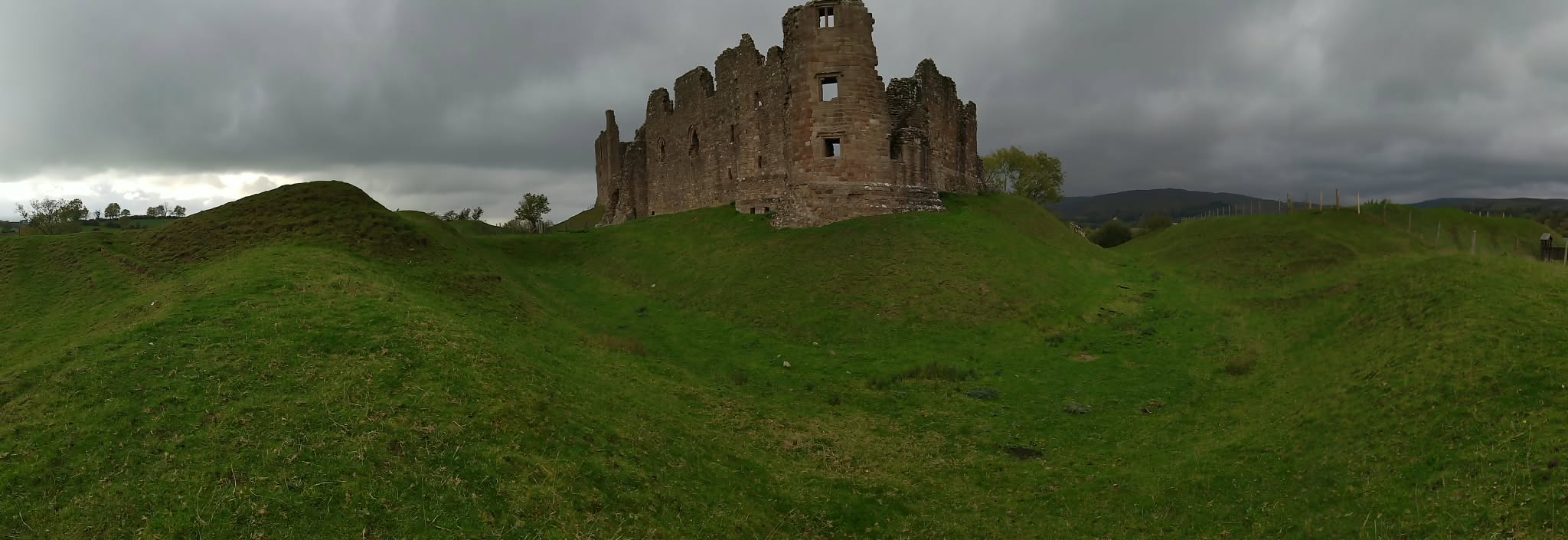
The castle’s history includes repeated conflict along the Anglo-Scottish border. It was attacked by William the Lion of Scotland in 1174 and suffered further damage over subsequent centuries. Its fortunes improved under the remarkable Lady Anne Clifford, who restored several of the family’s northern castles during the seventeenth century, breathing new life into buildings that had fallen into disrepair. Brough was one of four castles associated with her extensive restoration programme.
However, our interest in Brough was prompted by something rather more contemporary than its medieval history. The castle stands on farmland belonging to a farmer whose daughter is the girlfriend of Reuben Owen, one of the family featured in the Channel 4 documentary series Our Yorkshire Farm. The programme follows the demanding rural life of shepherd Clive Owen, his wife Amanda and their nine children on their remote Yorkshire farm. Reuben has also appeared in the Channel 5 spin-off series Beyond the Yorkshire Farm, and Sue and I are both fans of their programmes.
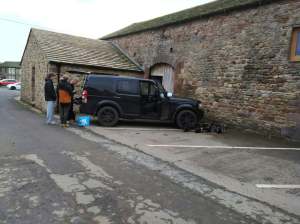 After parking beside the farmhouse and its ice-cream parlour, we were intrigued to discover that we had arrived shortly after a Channel 5 television crew. They were unloading camera equipment and making preparations for a week’s filming, including checking out their accommodation in a cottage opposite the farmhouse. After a little questioning, we established that they were there to film a Christmas episode of the programme.
This unexpected discovery added a little extra excitement to our visit. We had set out to explore another ancient castle but had stumbled upon preparations for a television programme we actually watched. It was rather like arriving at a theatre just before the cast began rehearsing, except that this particular stage was a working farm and the scenery had been standing for several hundred years.
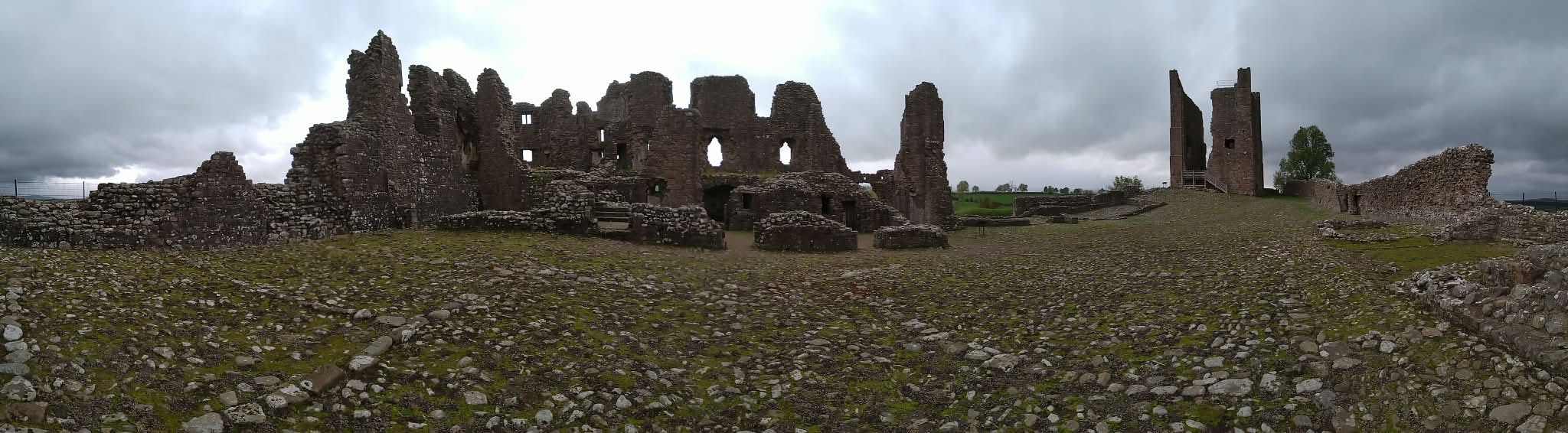
Curiosity about the television crew satisfied, we made our way to the castle and began another exploration of the Clifford family’s historic property. English Heritage once again provided plenty of information boards, ensuring that our thirst for historical knowledge was thoroughly quenched. We scrambled around the surviving rooms and walls, trying to piece together the original layout and imagine the castle during its days of military importance. Before long, we had explored all that remained accessible and were ready to move on to the village church.
As we passed the farmhouse on our way back, we caught a glimpse of some of the family in the yard. Shortly afterwards, three tractors arrived, bringing yet more family members into the farmyard. We were rather chuffed, as they might say in Yorkshire, to have seen a little of the real-life setting behind a television series we enjoy. We resisted the temptation to hang around in the hope of securing an interview or an invitation to join the Christmas celebrations, and continued towards St Michael’s Church, a short walk of around 200 yards from the castle.
The church dates back to the eleventh century and, given its proximity to the castle, has witnessed much of the turbulent history of the area. Its position made it vulnerable during cross-border raids, including the attack by William the Lion in 1174 and subsequent incursions from Scotland.
The church also boasts a remarkable set of bells, reported to be the heaviest ring of four bells in the world, weighing a combined 965 kilograms. It is quite a weight for a small church tower to accommodate, and we wondered what the sound must be like when all four are ringing together.
We spent around half an hour exploring the interior, looking at the architectural details and absorbing some more local history. However, it was the sight of a fully decorated Christmas tree that particularly caught our attention. Given the television crew’s arrival and their plans to film a Christmas episode featuring Reuben and his girlfriend, we surmised that the tree was part of the festive preparations for the programme. The episode was due to be broadcast on 22 December, so we resolved to watch it when the time came.
Having satisfied our curiosity about both the medieval ruins and the television activity, we returned to the car and resumed our journey south, leaving Brough behind as we headed towards our overnight destination.
Our arrival at the Burns Hotel in Huby, near York, marked the end of a day that had taken us from medieval castles to prehistoric earthworks and finally behind the scenes of a television series. It was a satisfying combination of history, archaeology and an unexpected brush with television celebrity, all achieved without the need to join a guided tour or queue for admission.
That evening, we decided to eat in the hotel’s restaurant rather than venture out again. We were joined by a large party of tourists who had spent the day enjoying a steam-train journey as part of their holiday package. They appeared to have had a thoroughly enjoyable outing, and the restaurant had a pleasantly sociable atmosphere as everyone settled down for their evening meal.
We ordered our food and a bottle of rosé, content to relax after a busy day of exploring. With several castles and prehistoric monuments behind us, and the prospect of a journey home, we raised our glasses to a successful day’s adventure.
There had been heavy rain overnight, although Sue reported that, according to her Fitbit, she had enjoyed the longest and best night’s sleep since she had started wearing the technology. Clearly, the benefits of modern gadgetry extend beyond counting steps and monitoring heart rates!
We had planned to repeat a walk we had enjoyed during our previous visit to Huby, and I had thoughtfully loaded the route onto my GPS the previous evening. Unfortunately, when we arrived at our starting point in the village, I discovered that I had left the device switched on overnight and the battery was completely flat. So much for planning! We had intended to visit the York Bird of Prey Centre during the morning, and with the attraction only ten minutes away, we decided to bring that part of the day’s itinerary forward. We returned to the hotel to put the GPS on charge before setting off to see the raptors.
Arriving shortly after opening time at 10.30 am, we spent the next hour wandering among the many enclosures, home to around 50 birds representing 40 different species, before taking our seats for the first of the centre’s two daily flying displays.
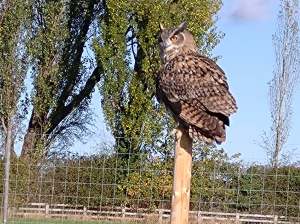
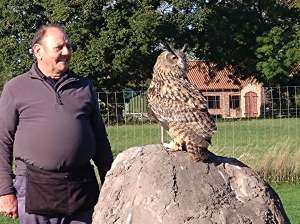
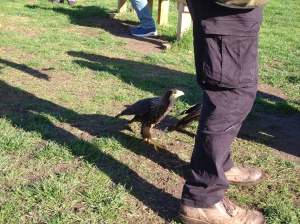 There was an impressive variety of owls, hawks, falcons and eagles to admire. Most seemed quite accustomed to having people nearby, while many could be heard squawking, presumably either expressing their annoyance at our presence or attempting to attract our attention. Who knows what goes through a bird’s mind? Whatever their motivation, seeing these magnificent creatures at such close quarters was a privilege. Their remarkable adaptations and natural hunting abilities were particularly evident when viewed at close range.
Sue was given the opportunity to hold a barn owl, which appeared perfectly at ease flying among the visitors. The birds were encouraged to move between several perches by the staff, who kept up a steady supply of meat to tempt them to perform. There was also a lengthy demonstration by a young kestrel, which showed off its remarkable ability to hover over the demonstration field before eventually, and somewhat reluctantly, returning to its enclosure.
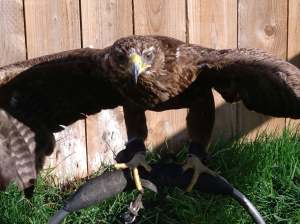
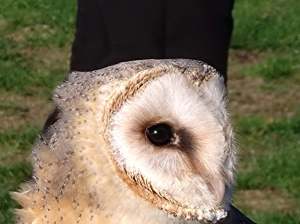
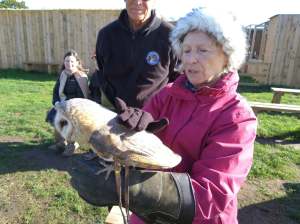 The highlight of the morning, however, was undoubtedly the golden eagle. Although regulations prevented this enormous bird from flying, we were able to appreciate its sheer size and magnificence as the handlers held it, along with a few brave visitors who were given the opportunity to do likewise. It was an impressive sight and a memorable encounter with one of nature’s most formidable hunters.
On returning to the hotel, we refreshed ourselves with coffee before collecting the now fully charged GPS and heading back to Huby. By then, the morning clouds had cleared, and the sunshine had dried the puddles, providing ideal conditions for the mud-free ramble we had originally planned.
Setting off from the Mended Drum pub in the centre of the village, we enjoyed a leisurely walk of around two and a half miles. Our route took us along a mixture of country lanes, bridleways, footpaths and open fields, offering a pleasant variety of Yorkshire countryside without demanding too much of our ageing legs.
The only real excitement came from a large flock of sheep, which appeared to mistake us for the farmer and hurried enthusiastically towards us. For a moment, we seemed to have acquired a welcoming committee! However, when the leading sheep sniffed my hand and presumably realised that I was not the person responsible for their next meal, their enthusiasm quickly evaporated. They stood forlornly watching as we disappeared through a gate into the adjoining field, leaving them to contemplate their mistaken expectations.
It was only a short ramble on a pleasant Yorkshire afternoon, but what better way could there be to enjoy the countryside and burn off a few of the calories accumulated over breakfast? Nothing too strenuous, no mud to negotiate and no sheep to disappoint us further!
Returning to the Burns Hotel, we enjoyed another coffee and a welcome hot bath before heading back to Huby for our evening meal at the New Inn, a Cantonese restaurant we had also visited on our previous excursion to the village. It was good to revisit a familiar establishment and round off what had turned out to be an enjoyable day, despite the initial GPS mishap.
Back at the hotel, we learnt of an incident involving Jamie which had taken place while he was visiting Rugby to purchase a new microphone. He had come across a woman in her seventies who had tripped on the pavement and suffered serious facial injuries. Jamie had stopped to help her and called for an ambulance, only to be told that it would be more than an hour before one could arrive.
Understandably, he was appalled by the prospect of such a long wait for someone who had sustained potentially serious injuries. His experience had clearly shaken his confidence in the NHS’s ability to respond promptly to an emergency of this nature. While we could only hope that the lady received the treatment she needed and made a good recovery, it was deeply concerning to hear that someone in such distress might have to wait so long for an ambulance.
Storm Austen was forecast to disrupt our journey home, and, sure enough, it was raining as we sat down to breakfast at 8.30 am. However, by the time we had finished eating, packed our bags, checked out and made our way to the car, the rain had stopped. Not particularly relishing the prospect of a journey south along roads buffeted by high winds and obscured by spray from enormous juggernauts, we wondered whether the Palmer family luck would hold out. As it turned out, it did!
After filling the tank just a couple of miles down the road, we joined the usual Friday morning migration of motorists heading off to goodness knows where. We had been invited to visit Jamie on our way back to Willow Bank, but the weather forecast had persuaded us not to deviate from our route and add another 45 minutes to the journey. Apart from the heavy traffic, however, we encountered dry roads and perfectly manageable conditions, prompting the obvious question: where on earth was this storm we had been warned about?
Nevertheless, we did add another half an hour to our journey by deciding to visit Thurcroft and see what had changed since I had relocated to the soft south some twenty years ago.
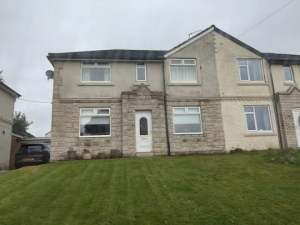 The house on Steadfolds Lane remained just as we had left it, but the village centre had undergone a few changes, although nothing particularly dramatic. I had hoped to buy some of the excellent tomato-flavoured sausages from the local butcher, but his shop had closed. According to a local resident whom I questioned, he was now operating from a mobile van. Sadly, I had no idea where to find him, so the prospect of enjoying those sausages would have to wait for another day.
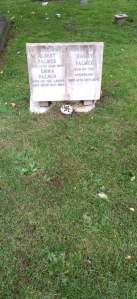 Before leaving the village, we called into the cemetery to pay our respects to my father and his parents, who are buried together in the same plot. Having not visited for several years, I was pleasantly surprised by how tidy everything looked, particularly as there are no relatives left to tend the grave. It was reassuring to see three council workers busy strimming the plots and tidying the surrounding grounds. Their efforts were much appreciated, and it was good to know that the cemetery was being looked after.
We then resumed our journey south and, in just over an hour, arrived home at Willow Bank to a rather chilly house. Fortunately, the kettle was soon on, and a steaming cup of coffee provided a welcome antidote to the cold interior.
So, despite Storm Austen’s dire predictions, our journey home had proved relatively uneventful. Once again, the Palmer luck had prevailed, leaving us to wonder whether the weather forecasters had perhaps been exaggerating just a little!
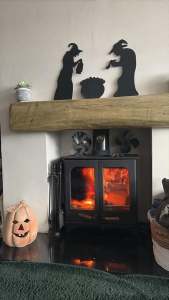
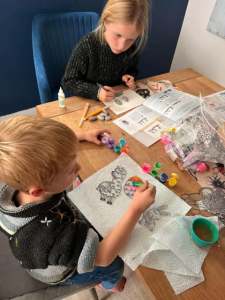
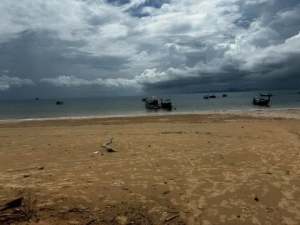
It seems appropriate to finish this blog by including a few photos that the rest of the family have dropped onto our family messenger group during this week.


Leave a Reply