26th January 2020
We woke this morning to discover that, in the Brazilian rainforest during the rainy season, it does indeed rain. Spoiled by good weather since entering the Amazon, we had begun to wonder whether my school geography books had got it wrong, or whether global warming was having an effect. As we had breakfast, the rain was tipping down. Through the restaurant windows, a low grey cloud base stretched endlessly to the horizon in all directions. We were still threading our way through a myriad of channels and tributaries of this mighty river, making our way towards Manaus, still a few hours away. Thank God for GPS; how on earth did they navigate these waters in the past?
With little to see of the passing scenery, Sue and I passed the time with a couple of games of table tennis before retreating to our cabin until lunchtime. Thankfully, by then, the rain had stopped, though the clouds remained. Shortly after lunch, the Magellan eased into her berth, watched by a couple of tugs and by us, from our vantage point high on Deck 11.
Manaus is the capital of the Amazon region. Founded in 1669 at the confluence of the Rio Negro and the Solimões River, it remains the commercial hub of the area. In the 19th century, the city boomed on the back of the rubber trade, and we were keen to see some of the opulence this once brought.
Today (the 25th), we took a one-and-a-half-hour speedboat trip up the Rio Negro. Unlike the mud-laden Amazon, this river is clear, slightly acidic, and, as a result, runs black, hence its name. Best of all, mosquitoes dislike it. As we sped beneath a striking modern bridge connecting the two shores, we caught glimpses of river dolphins hunting for their lunch. By now, the clouds had started to part, and the heat of the sun would have made for a stifling journey had we been on a slow ship’s tender. Thankfully, the breeze created by our stallion of a craft kept us all refreshingly cool.
On arrival at a small village inhabited by the Dessana tribe, we were greeted by a white flag hanging from a tall riverside tree. Any other colour would have signified that we were not welcome. The settlement and its unique culture are protected by the government, visitor numbers are limited, and their land cannot be exploited for commercial purposes.

The heart of the village is the large thatched Meeting House, in front of which we were welcomed by some of the village’s ceremonially dressed residents. Here, we learned about their culture, the coming-of-age ceremonies for both boys and girls, their refusal to mix with other tribes, and the fact that they originally came from Venezuela.
Inside the Meeting House, we were treated to a series of tribal dances accompanied by music played on strange yet mesmerising instruments, from which emanated rhythmic booms, rattles, and grating sounds. The spectacle was hypnotically captivating, so much so that, when invited to join their weaving patterns, I, and a few others, equally entranced, leapt at the chance.
Taking the hand of one of their scantily garbed women, I skipped and sidestepped in unison with the group, following a long, weaving line of dancers, first around the inside of the Meeting House, then outside, before finally returning several minutes later, quite exhausted.
Brilliant fun. I may just go tribal!

Of course, plenty of photos were taken, children and adults alike, adorned in reeds and feathers, their skin painted in intricate patterns. Unlike the natives we had encountered the previous day, these villagers wore serious expressions when engaging with us Europeans, many seemingly reluctant to make eye contact.
Did we look that peculiar to them, I wondered?


We spent some time wandering through the village, capturing snapshots of the everyday paraphernalia of their lives, trying to wrap our minds around what it must be like to live in such a remote and seemingly inhospitable place. Jaguars, pumas, caimans, piranhas, snakes, and spiders, I knew about those. But today, I discovered a new horror lurking in the water: the needlefish!
These awful, tiny monstrosities have a nasty habit of wriggling into any available bodily orifice while one is bathing, then burrowing further inside, causing internal bleeding, excruciating pain, and, if not removed surgically, death. Lovely.

Our guide described some of their tribal rituals, practices that, to our modern and sensitive ears, sounded quite shocking. He spoke of girls reaching puberty and having all their hair pulled out to experience the pain of growing up, of becoming mothers at 11 years old and having their third child by 14. Boys, too, endured hardship, ceremonially cut all over their bodies upon reaching manhood.
Their lives are vastly different from ours, shaped by different values, beliefs, and experiences, but there is a quiet dignity in the way they carry themselves, something to be admired. In many ways, they possess a sense of identity and purpose that the ‘civilised’ world often seems to have lost.
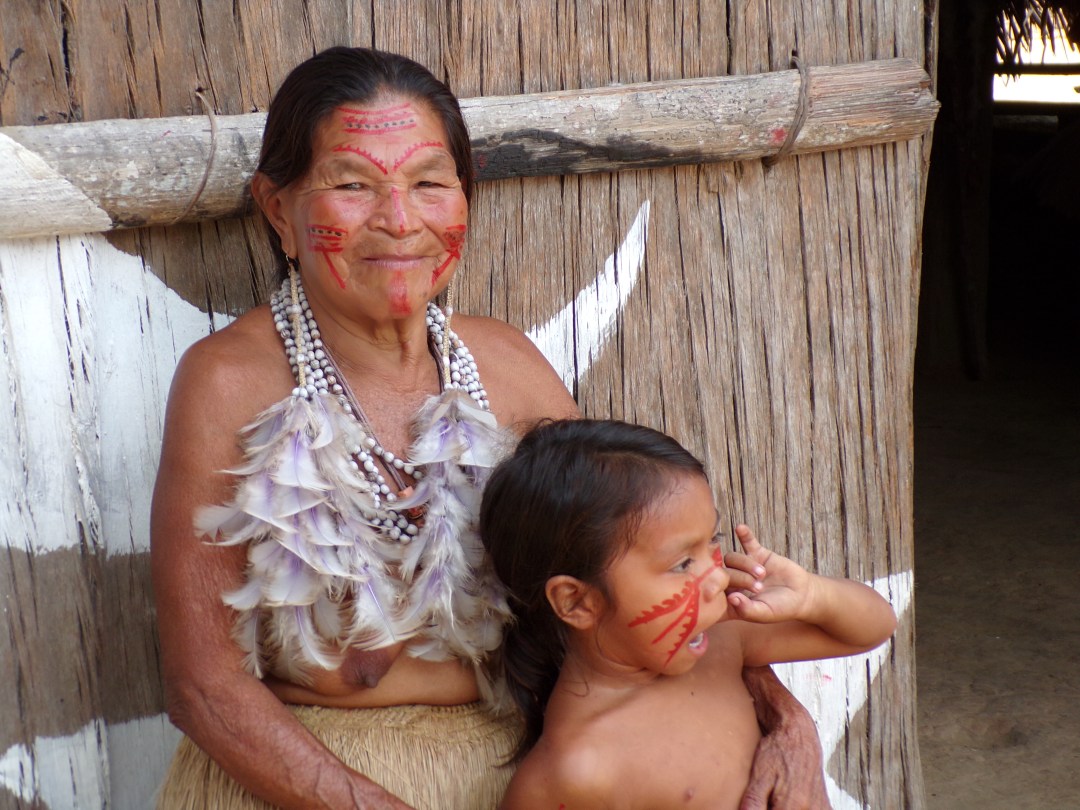
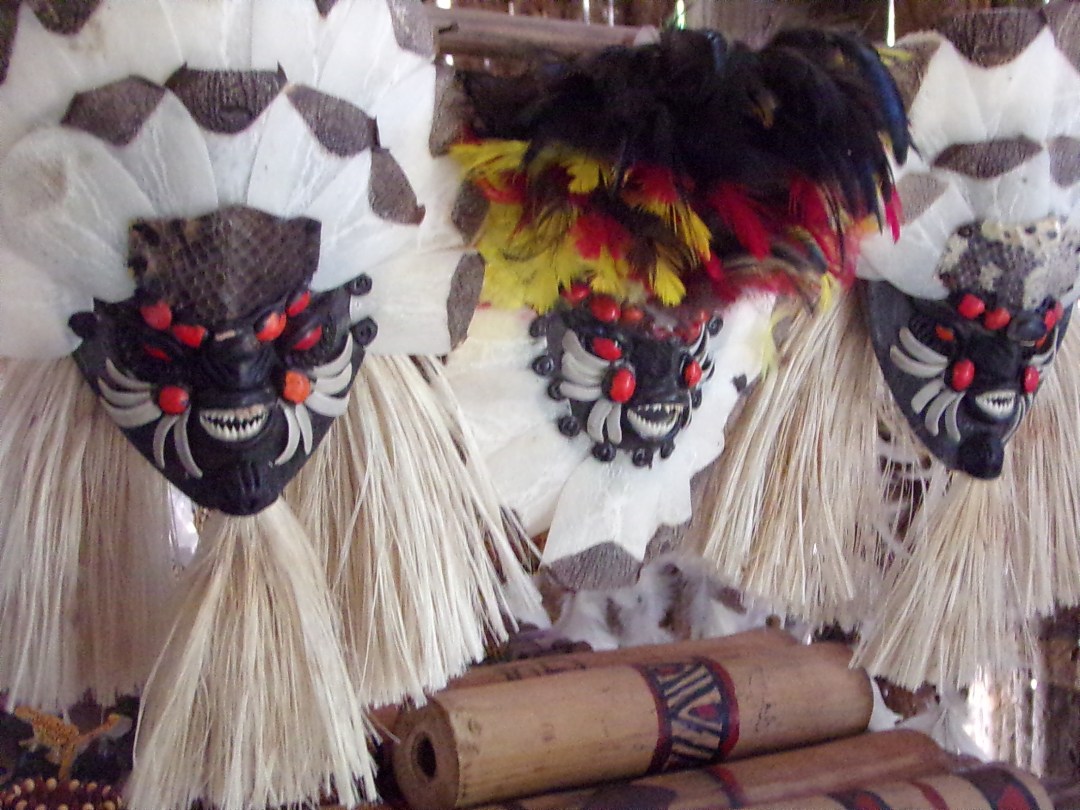
Before we left, the villagers laid out their craftwork, hoping we might buy some. We were told they have no use for money, which made the transaction all the more perplexing. Yet, they were not disappointed; most of us left clutching a small token of our encounter, a piece of this unique and primitive experience.
A couple of blowpipes with lethal darts seemed like the perfect gift for our grandchildren, though we weren’t entirely sure how their parents would feel about that. Still, how else could we support these people in maintaining their traditional way of life, except by valuing it in the only way we know? And that, in itself, is a paradox.
We thrashed the darkened water of the Rio Negro for another half an hour on route to the Seringale Felicdade Museum, located on the bank of the Taruma Mirim Creek. This was once the home of one of the many rich Rubber Barons, his plantation and factory. It is now a museum, as rubber production fell on hard times as the Far East became increasingly dominant.
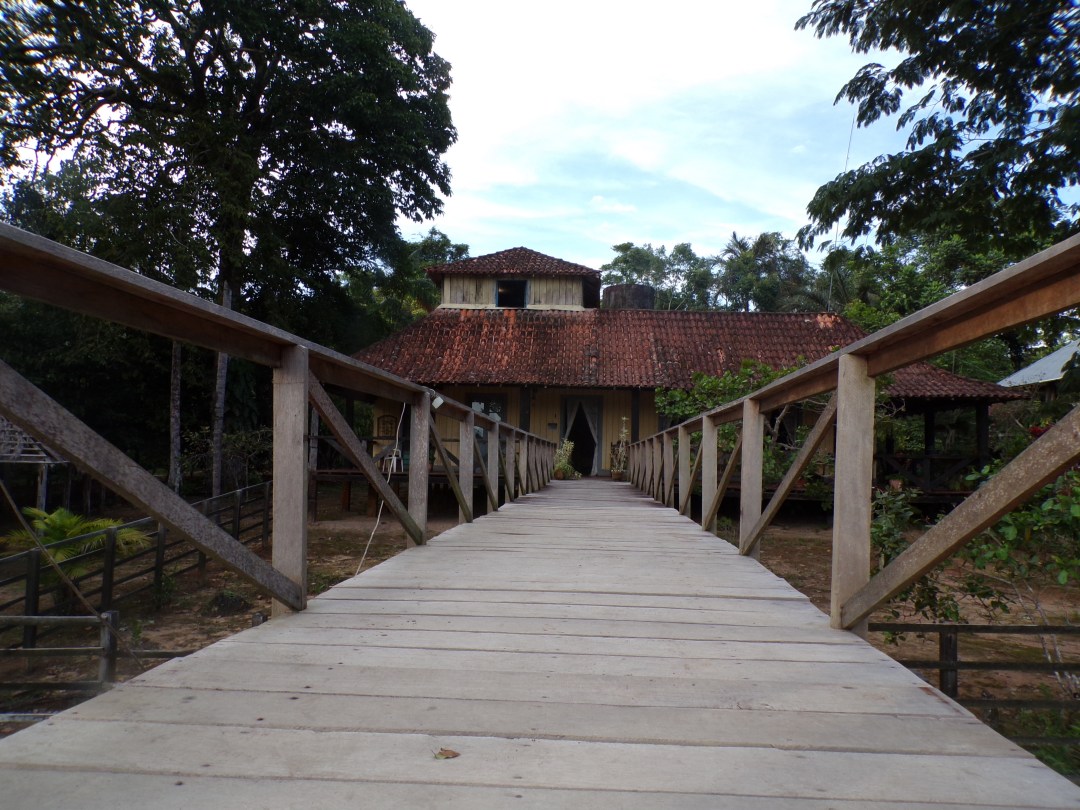
The government have restored the buildings to what they were like during their heyday, complete with original artefacts. We heard tales of incredible wealth, deviousness and callous treatment of the workers. Also, of the hardships and dangers faced by the rubber tappers and their families.
The museum offered a fascinating glimpse into a bygone era of both opulence and exploitation. As we wandered through the restored buildings, we saw relics of a time when rubber was as valuable as gold, fueling the fortunes of a few while trapping many in a life of hardship.
Our guide recounted tales of staggering wealth, the extravagant lifestyles of the Rubber Barons who imported grand furnishings, dined on European delicacies, and even sent their laundry to be washed in Paris. But alongside these stories of excess came accounts of brutal working conditions, where rubber tappers toiled under constant threat from disease, wild animals, and the ever-present cruelty of their overseers.
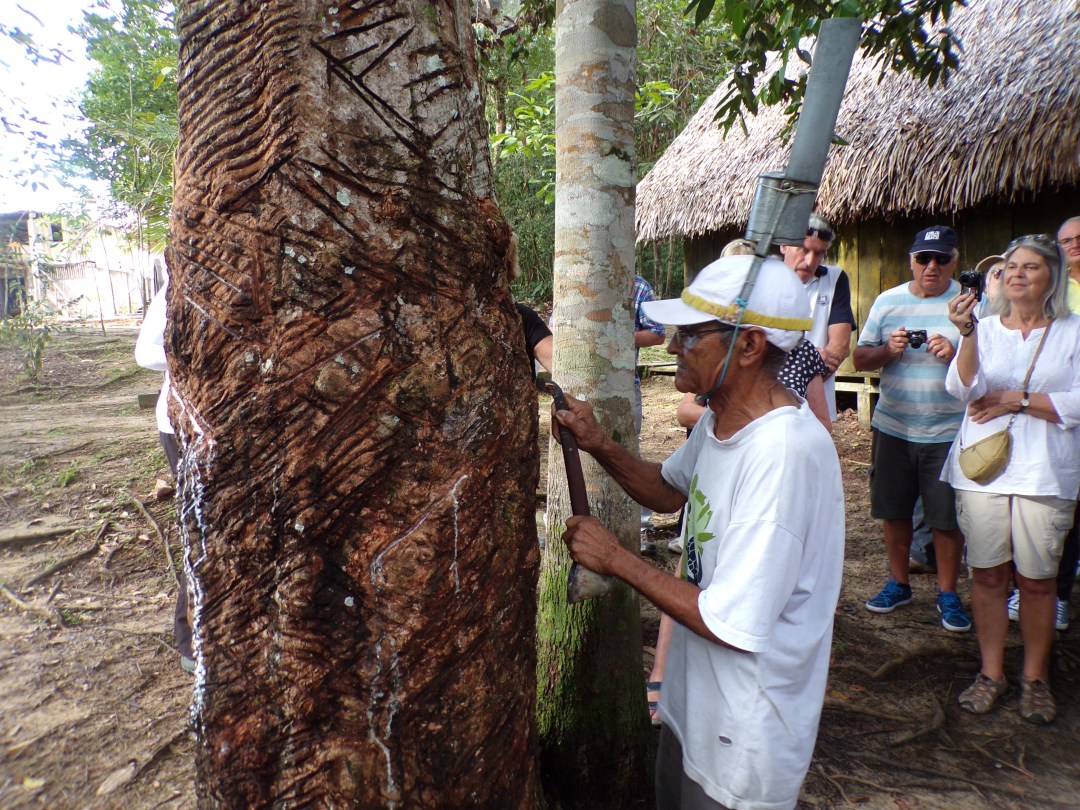
The museum’s exhibits brought this history to life. We saw the crude tools used to score the trees, the buckets that collected the milky latex, and the cauldrons where it was processed. There were letters, contracts, and ledgers detailing the exploitative debt-bondage system that kept workers in perpetual servitude. It was a stark contrast, the luxury of the plantation house set against the unforgiving world of those who made it possible.
Standing by the water’s edge before leaving, we reflected on how the power and riches of the Amazon’s past had faded, yet its legacy still lingers.


It was astonishing to think that even something as mundane as laundry reflected the vast inequalities of the time. The Rubber Barons, despite living in the heart of the rainforest, refused to have their clothes washed locally, instead opting for a three-month round trip to London. Such extravagance seemed almost surreal in contrast to the lives of those who worked beneath them.
Before exploring the factory, we watched a demonstration of how the latex was extracted from the trees. With practised skill, a worker made precise cuts in the bark, allowing the milky sap to flow into small collection cups. It was a slow and laborious process, requiring patience and care to avoid damaging the trees.
Next, we observed the steaming and rolling process. The raw latex was heated over a smoky fire to cure it, giving it a distinct, slightly burnt aroma. Then, it was shaped into large, elongated ovals, ready for transportation to Manaus and beyond. Holding a finished piece, it was remarkable to think that this simple material had once been the driving force behind both immense wealth and immense suffering in the Amazon.
The plantation owner’s home was a grand, almost ostentatious display of wealth, standing in stark contrast to the simple, rugged dwellings of the workers. Lavish chandeliers hung from high ceilings, imported furniture adorned each room, and fine china sat neatly arranged on polished wooden tables. Ornate rugs softened the footsteps of those who had once lived there, their presence still lingering in the echoes of the past.
As we wandered through the rooms, it was impossible not to reflect on the immense divide between the privileged few and the labourers who toiled endlessly to sustain such a lifestyle. While the workers battled the elements, disease, and backbreaking labour, their employer lived in luxury, sending laundry halfway across the world rather than entrusting it to local hands.
The contrast was almost absurd. Outside, the jungle teemed with life, wild and unpredictable. Inside, everything was carefully curated and controlled, a testament to a bygone era when rubber was king, and the price of progress was paid by those at the bottom of the chain.
Back aboard the Magellan, we shed our damp clothes and sought out the cool sanctuary of the ship’s lounges. Ice-cold drinks never tasted so good. From the deck, we watched as the jungle-lined riverbanks slipped past, the dense green canopy stretching endlessly into the horizon. The stillness of the afternoon, broken only by the occasional call of a distant bird or the splash of a fish breaking the surface, felt almost surreal.
As the ship pressed on through the black waters of the Rio Negro, I found myself reflecting on the day’s experiences, the quiet dignity of the Dessanas tribe, the harsh contrasts of wealth and poverty in the rubber boom era, and the unforgiving yet mesmerising landscape of the Amazon. This place holds so many contradictions: beauty and brutality, prosperity and struggle, tradition and change.
Tomorrow, another destination awaits. I wonder what new stories the river will share with us next.
 Palmer Family
Latest Comments