6th November 2019
After our jaunt to the Peak District, Sue settled back into her usual U3A activities, the first of which took place on 8th October. While we were away, she had missed one she’d been particularly looking forward to, a session on metal detecting. However, the latest activity, based on Laser Quest, gave her ample opportunity to vent any lingering frustration. On her return, she reported that they had played three games with different scenarios. She placed 4th in the first, 3rd in the second, and 2nd in the final game, bitterly disappointed that there wasn’t a fourth!
Meanwhile, I had a far more relaxed and civilised day, picking red grapes and storing them in the garage ready for wine-making. The white grapes, though fully formed, weren’t quite ready, as their sugar content was still too low. I estimated they’d need at least another fortnight of sunny weather.
The following day, Sue set off on one of her half-day rambles while I drove to Jamie’s to finish off the work at the front of the house. This time, I didn’t call on Peter for help, as his knees were troubling him badly. Afterwards, I headed to Charlotte’s, where I took down a willow tree that was threatening to collapse into the chicken coop.
On the 11th, Joan and Phil arrived from Italy for a brief visit. They usually timed their UK trips closer to Christmas, but with Brexit scheduled for 31st October, they were concerned that some of their usual food purchases, such as cheese, might not be allowed into Italy if the UK had left the EU. As it turned out, our contemptible politicians once again managed to prevaricate, leaving both the country and Europe in a state of aggravated uncertainty until ???????. However, they did at least manage to decide on a general election, which, we are assured, will solve the impasse, possibly, maybe, feasibly… or, more likely, not. We shall see.
Joan and Phil are now considering selling their home in Santa Vittoria and relocating to Harborough to avoid potential issues with their UK pensions and eligibility for the Italian healthcare system. It was a fleeting visit, just time for coffee, biscuits, and a quick catch-up. For once, Liverpool FC barely got a mention, aside from the fact that they were doing well. I suspect, as ardent fans, they were reluctant to jinx the club by displaying too much confidence in such a fickle sport. Perhaps the red blood that flows through every Scouser’s veins isn’t always a ‘sound belter’ of assured success.
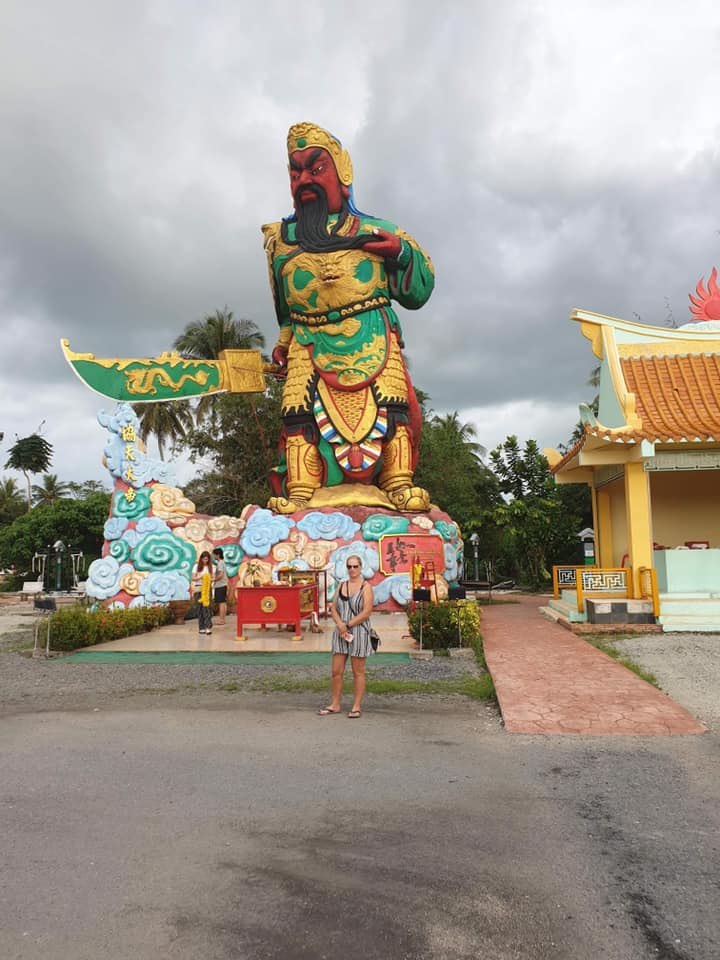
On the 12th, Charlotte, Suraj, Lucas, and Ellis jetted off to Thailand for a two-week holiday, dropping Harry off with us for his doggy R&R before heading to Heathrow for a late-night flight.
For the next fortnight, I spent my days walking the dog, three to four hours in the morning, one to two hours in the afternoon, and another half to one hour in the evening. The weather was mixed, mostly wet, but luckily, greyhounds are long-legged and require little cleaning, just a quick hose-down of the legs. Harry arrived with his full wardrobe: a raincoat, a cold-weather fleece, and pyjamas, with the raincoat seeing the most use.
When he wasn’t out walking, Harry spent most of his time sleeping, often from 7:30 pm to 7 am, making him remarkably low-maintenance. The only challenge was keeping food out of his reach. As a large dog, most surfaces were within easy range of his voracious snout, and given half a chance, anything edible would have been swiftly devoured. Fortunately, we managed to outwit him, and he even lost weight while he was with us!

The 16th saw Jamie and two of his friends fly off to Spain, leaving Maddie for some rabbit R&R in the (recently cleared) greenhouse. Surprisingly, Harry took very little notice of the white bundle of fur and just watched passively as it hopped around its glass warren. Not so when, on the 23rd, Mia arrived for her Beagle R&R, when Sarah and Lee flew to France for the week. Harry now had company on his walks, but as with Maddie, he took very little notice of his new companion, who insisted on ploughing through every muddy stream and pond on the route and sniffing at every grassy tussock. Harry hates water, and I suppose he thought Mia was mad. Mia loves the wet stuff, and the muddier, the better. I guess she thought Harry was soft.

The day before flying to France, Lee and Sarah made a surprise visit to share some wonderful news: Sarah is pregnant and expecting a baby on the 26th of May! After imparting the good news, they headed up to Nottinghamshire to inform Lee’s parents. Unfortunately, Sarah has been suffering quite badly from morning sickness, and her heightened sense of smell has made most aromas nauseating for her.
On the 21st, I had an appointment with a specialist regarding my troublesome knee and foot. The outcome? A couple of scans are to be scheduled, a physiotherapy regime put in place, and a future meeting to arrange some supportive equipment. Ironically, after two weeks of walking a dog, the pain in both my knee and foot has eased considerably, making it much more tolerable.
By the end of the month, all family members had returned home, and with some reluctance, their pets were handed back.
I also received an email from an old friend I hadn’t seen in years. He’s written a book and invited me to buy a copy, with all profits going to charity. I knew Bharat Patel when he shared a house with a couple of rugby-playing friends. Back then, he was a reporter with BBC Radio Leicester before moving on to Central TV. His book, Indian Takeaway, recounts his life across three continents. Sue is currently reading it.
Meanwhile, Peter, the one who often helps me with heavy manual tasks, is heading back to New Zealand for six months to celebrate his mother’s 80th birthday and attend a family wedding. Unfortunately, through no fault of his own, he’s in a difficult financial situation. After a severe head injury from a fall down the stairs, Peter was left mentally and physically disabled, relying on benefits and the support of friends in his village and at the Rugby Club.
At the end of October, he rang me in a panic after finally opening weeks’ worth of unopened mail. The government had miscalculated his benefits for years and was now demanding repayment of nearly £22,000. Since he hadn’t responded to warning letters over the past two months, his benefits had been stopped entirely, and bailiffs had been threatened if the debt wasn’t settled. And to make matters worse, he was flying to New Zealand on the 6th of November!
I accompanied him to the Job Centre and Citizens Advice Bureau, where it was agreed he could repay the debt at £50 a month, deducted from his benefits. However, since those same benefits had already been stopped, he now had to reapply under new assessment criteria. We spent an entire afternoon filling out forms and gathering the necessary documentation, something that, given his condition, he is clearly incapable of handling alone. The application has now been submitted, and Peter has flown to New Zealand. He has just enough savings to cover his rent for six months, but if his application fails, he’ll be destitute when he returns.
There are many issues at play here, and opinions on how the system should work will always vary. But it’s unforgivable that there aren’t enough checks and balances to prevent situations like this, where incompetence wastes public money and leaves vulnerable people in distress. The DWP will likely have to write off most of this debt, as the alternative is forcing Peter onto the streets. It certainly doesn’t inspire confidence that the system is capable of catching actual fraudsters.
At the end of October, we also learned that Uncle Stanley (98) had been taken to the hospital with pneumonia. We had been keeping in touch through his former neighbour, Hilary Blood, who visited regularly and had power of attorney. Stan hated hospitals and, over the years, had been a rather difficult patient. When we heard he had refused further antibiotics and had been released to a care home on an end-of-life package, we arranged to visit him.
We quickly booked a hotel, but on the morning of our departure, Hilary called to tell us that Stanley had passed away at 1:40 a.m. on the 3rd of November.
After notifying surviving family and friends, we decided to continue with our travel plans since the hotel had already been prepaid; one loss was enough for now. Stan had wisely sorted his affairs years ago, including arranging his funeral, so there was nothing urgent to attend to. By the time we would have arrived, he had already been collected by the funeral home. We now wait to hear the arrangements for his service.
Stanley was the youngest of six brothers, originally from Mile End, London. He later moved to Lancashire, where he married and became a postman. He had three children, but little is known about them or his wife, as their separation was not amicable, and there was little effort to maintain contact. Over the years, he built a small circle of friends in the area, but as time passed, so did most of his close relatives and companions. Deafness and blindness increasingly limited his social life, and while he relied on neighbours for errands, he steadfastly refused any help from social services.
A fiercely independent man, he suffered from ill health in his later years, enduring multiple bouts of pneumonia that led to hospital stays and care home recuperation. He was determined to spend his final days in his own home, but unfortunately, that wasn’t to be.
Stanley was generous, strong-willed, and held rigid views, but his mind remained sharp to the end; he didn’t suffer fools gladly. Until his health declined, Sue and I visited him every six weeks, often combining the trip with visits to relatives in North Wales or walks on the moors. I also called him weekly, sometimes chatting for an hour about politics, the news, or my favourite, his war stories, post office days, and tales from the moors.
I always believed he’d reach 100, but as time went on, he became more cantankerous. On several occasions, he said he’d had enough and was ready to go. In some ways, there’s comfort in knowing that he chose his own time.
Fittingly, the hotel we booked was Willersley Castle Hotel, a Christian Guild establishment perched on a hillside above Cromford. Built for the industrialist Sir Richard Arkwright, it made for an imposing yet peaceful retreat. The drive from Harborough was just under an hour and a half, so before leaving, I plotted a walking route into my GPS, ensuring we could make the most of the day.

On arrival, as we booted up and prepared our kit for the day’s ramble, a large group of people was checking out. We soon discovered they had attended a Christian seminar over the weekend. Later in the day, another sizeable group arrived. The weather was turning out to be glorious, as one passing lady remarked, “It always shines on the righteous.”
Our route began on the castle grounds and followed the course of the River Derwent into the town of Matlock. Autumn leaves drifted down as we descended to river level and joined the ancient and quaintly named Lovers’ Walk, a beautiful path through the gorge, running alongside the Derwent, now swollen from recent rain. Though out of season, the sunshine had tempted plenty of families and dog walkers out to enjoy the fresh air in this picturesque corner of Derbyshire.

 As we reached the outskirts of the town centre, we passed beneath the cable car ferrying day trippers up to the Heights of Abraham. We paused for a while, watching the gondolas glide smoothly up to the summit of Masson Hill, making a note to take a ride the following day. Unfortunately, we later discovered that we had been watching the very last journey of the season!
Our route now took us past the cable car base station and up to the summit of High Tor, a striking feature that dominates Matlock Dale. Several wooded paths meander their way up this steep incline, but those that hug the edge of the gorge are not for the faint-hearted. Health and safety do not appear to be a priority for whoever manages this part of Derbyshire; lean too far, and you’ll be joining the angels in no time at all.
 The views from the top are magnificent, especially today, with the air crisp and unusually clear. We picnicked at the very summit, beside the telecom mast, making the most of the ultrafast data connection it provided. Once the food was consumed, I dug out the binoculars from the bottom of my rucksack, and we took in the scenery, focusing largely on Riber Castle. Perched even higher on a promontory to the south of the town, it appeared particularly imposing.
Locally known as Smedley’s Folly, the castle was built in 1862 by John Smedley. After his death, it had a chequered history and now lies empty, ripe for development, though plagued by misfortune.


The path led us back down to the river and into the heart of the town. We strolled through a picturesque park, busy with both locals and visitors, most of whom seemed to be indulging in large ice creams. At £2 for a small scoop, we chose not to join them. A leisurely amble around the shops followed, with a couple of brief forays into charity shops in the ever-hopeful hunt for a lost Lowry. Then, we picked up our trail once more, climbing over Pic Tor with its stark war memorial. To one side, a colourful, new-age woman sat cross-legged in deep contemplation, meditation, or perhaps even trance. Below, her psychedelic 1960s campervan was fittingly parked among the gravestones in the churchyard.
Ou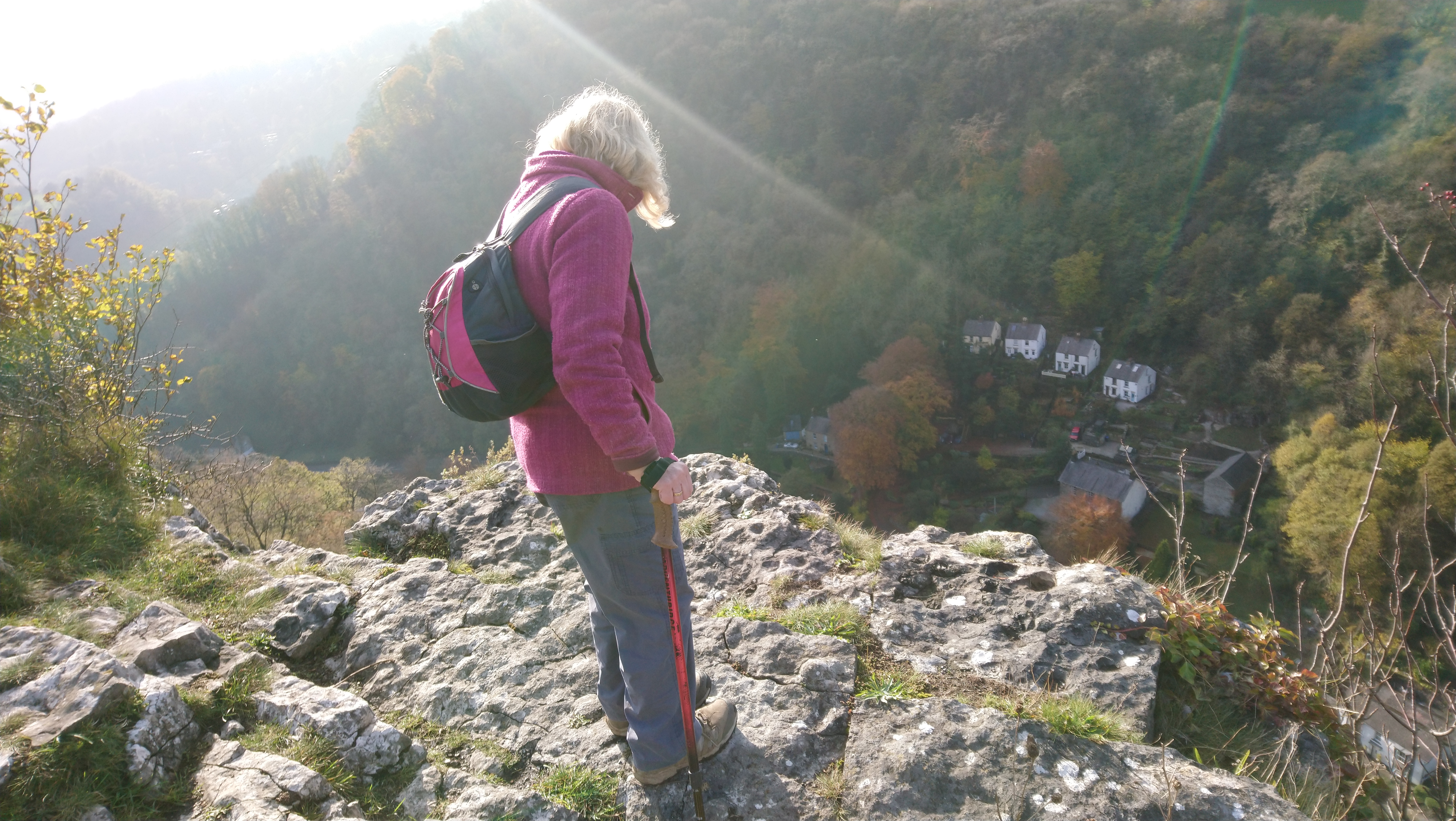 r return journey took us along a quiet country road, the light fading as a waxing crescent moon rose above us. In the distance, the warm glow of the castle windows beckoned us home for the night, where a much-needed coffee awaited us in our room.
Fate eventually led us to a wonderful evening meal. We first set off for Cromford in search of the Boat Inn, as recommended by Google Maps, only to find no sign of it. Retracing our steps from earlier in the day, we headed to the White Lion in Starkholmes, only to be told that food service had finished at, of course, 7 pm, the very moment we arrived. They suggested we try the Greyhound in Cromford, but on arrival, we found a private party in full swing. Though food was being served, it wasn’t for us.
Undeterred, we followed Google’s next suggestion, a Chinese restaurant on the outskirts of Matlock, but that too proved elusive. With options dwindling, we parked up in the town centre, and as I admired how pretty Matlock looked in the evening, with ribbons of twinkling lights lending it a seaside charm, Sue suddenly fancied fish and chips. Then, by sheer luck, we realised we had stopped right outside Rose Cottage, which, to our delight, turned out to be a pub serving food! And what a find it was. A hearty meal of steak pie and chilli con carne, washed down with good beer and enjoyed in the company of friendly locals, it was surely meant to be.
The next morning, after breakfast and check-out, we drove the short distance to Cromford Mill. Having spent the night in Arkwright’s former home, it only seemed fitting to visit his mill. The weather was cold and miserable, and we weren’t surprised to find ourselves the first visitors of the day. Booking onto the 11 am guided tour, we soon discovered we were the only ones signed up.
Our guide, with his pleasant northern manner, led us on a fascinating journey through the life of Richard Arkwright and the workings of the original mill. The hour flew by, and we rounded off our visit with a look around the museum and an excellent half-hour video presentation featuring Arkwright himself! A thoroughly worthwhile experience.

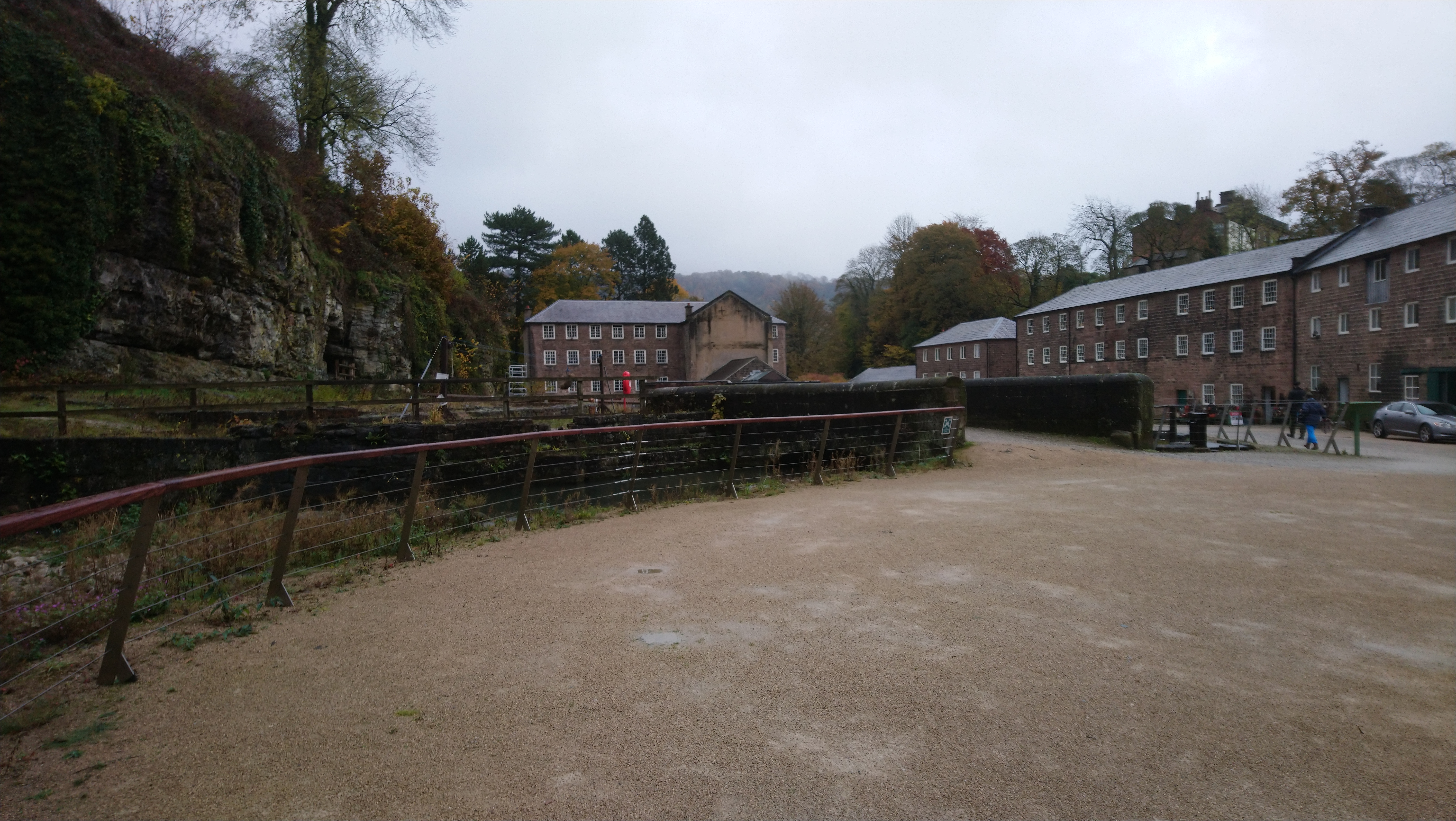
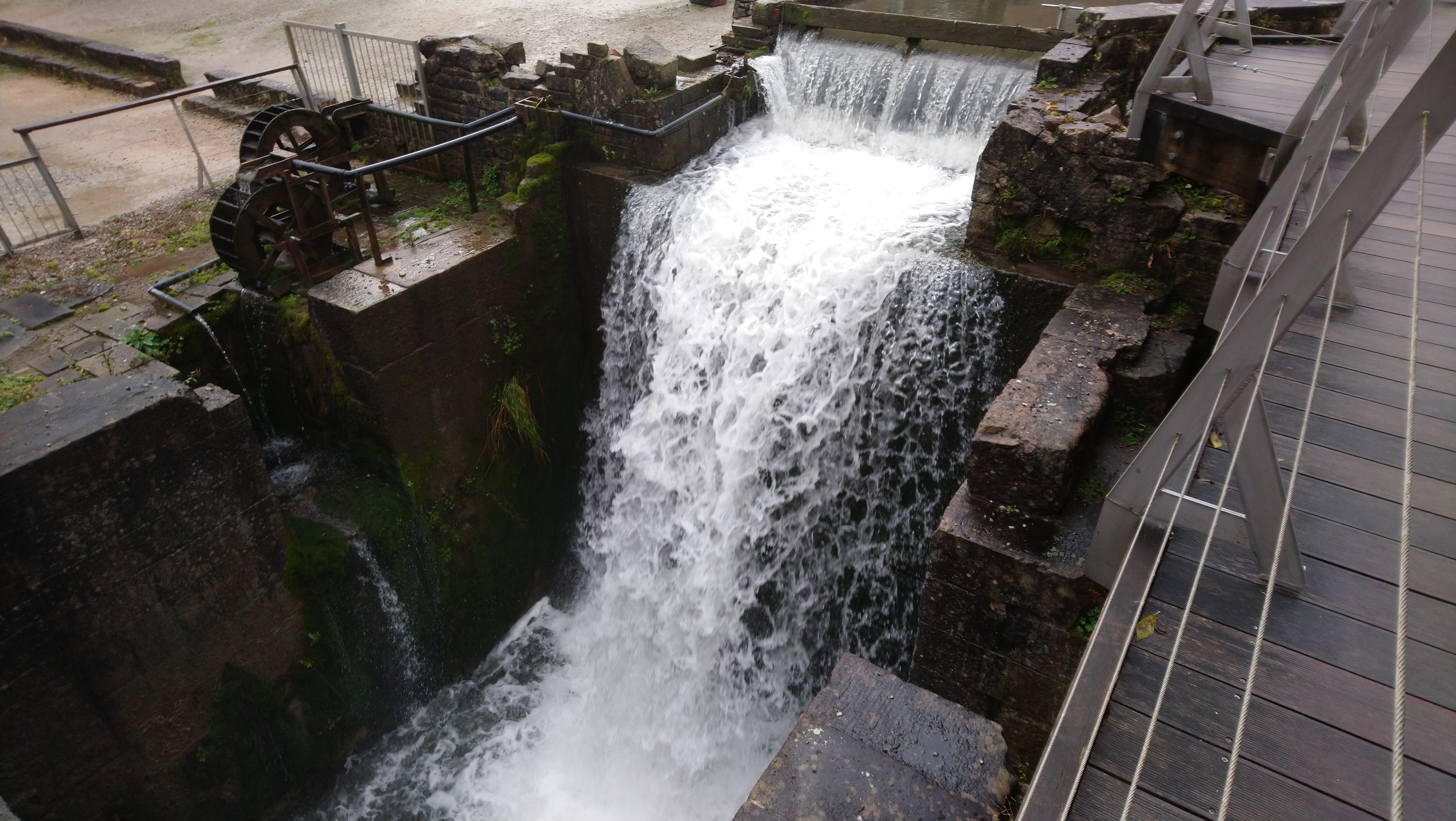
Within the mill itself, we found a variety of shops and workshops, along with interactive demonstrations of the mill’s workings. After exploring these, we made our way across the road to visit the canal wharf before crossing back to the church where Richard Arkwright and his family are buried.
As the day brightened, we drove to the National Stone Centre, a place I knew would set Sue’s heart racing. Ever since I’ve known her, she has loved anything to do with stones, minerals, and fossils. She’s built up her collection over the years and actively encourages the grandchildren to do the same. This was her idea of heaven.
 The centre is set among limestone quarries near Wirksworth and boasts the Blue Lagoon Café within its grounds. We started there with a quick look around the small internal museum before ordering snacks and drinks.
Reinvigorated, we set off on the external geo-trail, which wound its way around the site. At various stations along the route, information boards explained the area’s Earth Science, Industrial Archaeology, and Ecology. Some 330 million years ago, this landscape was a tropical reef and lagoon (hence the café’s name). As we followed the trail, we could almost picture how it must have looked, guided by clues in the surrounding terrain. Excellent.
The centre also runs courses on dry stone walling, and I was fascinated to see the dozens of examples on display, each showcasing a different construction method from across the country. I had no idea there were so many variations!
We ended our visit with a fossil hunt in one of the quarries, though calling it a “hunt” might be misleading, as they were everywhere! Sue was completely in her element, carefully assembling a little pile of the best ones. Left to her own devices, she could have spent hours at it. But I had the car keys. After a suitable amount of time foraging, I started making my way back to the car, and she followed. It gets dark and lonely in a quarry as night falls!
On our way home to Harborough, we stopped in to see Sarah. It was reassuring to find that she was feeling much better than she had been a few days ago; hopefully, the worst of the sickness is behind her now. Roll on May! Lee arrived home before we left; he’s biding his time at work, waiting to start his new job. A time of big changes for both of them.
November 5th used to mean fireworks, bonfire toffee, sparklers, and Guy Fawkes. But when you reach my age, this year, it meant crushing white grapes for winemaking, and an early night!
 Palmer Family
Leave a comment