3rd February 2016
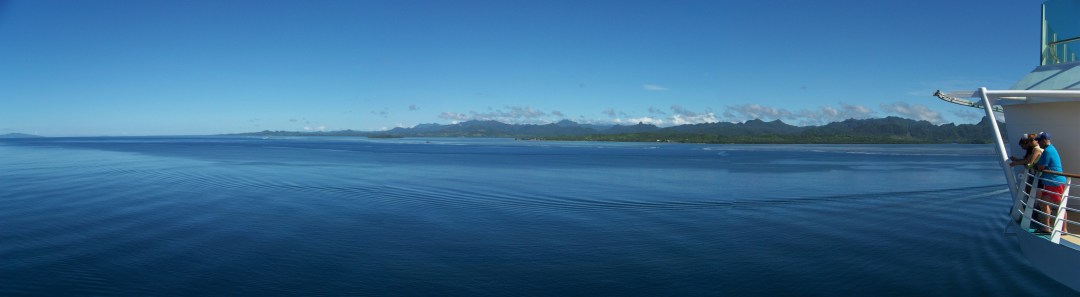
By 10 a.m., we had showered, eaten breakfast, and were up on deck, watching as we made our approach to the port of Suva, the capital of the islands.
The ship glided smoothly over a flat, calm sea, which mirrored the tropical, forested mountains on the port side. Against a backdrop of blue sky, a few puffy clouds gently brushed the very tops of the peaks. It was a stunning sight, and we could hardly wait to step ashore.

However, as we had booked a ‘Spice Farm and Nature tour’ through the ship, we couldn’t disembark at our leisure. Instead, we had to wait and meet the rest of our group in one of the lounges at 10:45 a.m. While waiting, it was astonishing how many people failed to read the instructions on their tickets or listen to the frequent PA announcements. Several turned up late, only to discover they’d missed their coach. Watching the realisation dawn on their faces that they’d just wasted a considerable amount of money elicited little sympathy from those of us who had managed to be punctual. Ship-organised tours aren’t cheap, after all.
The crew were doing their best to arrange for these latecomers to join another tour as we left, but prospects didn’t look promising.
Our own tour group was quite small, with only about half the coach filled. Our guide, a large native Fijian with a warm, engaging manner, provided excellent commentary on the sights along the way. Thank goodness for the air conditioning, it was sweltering outside!
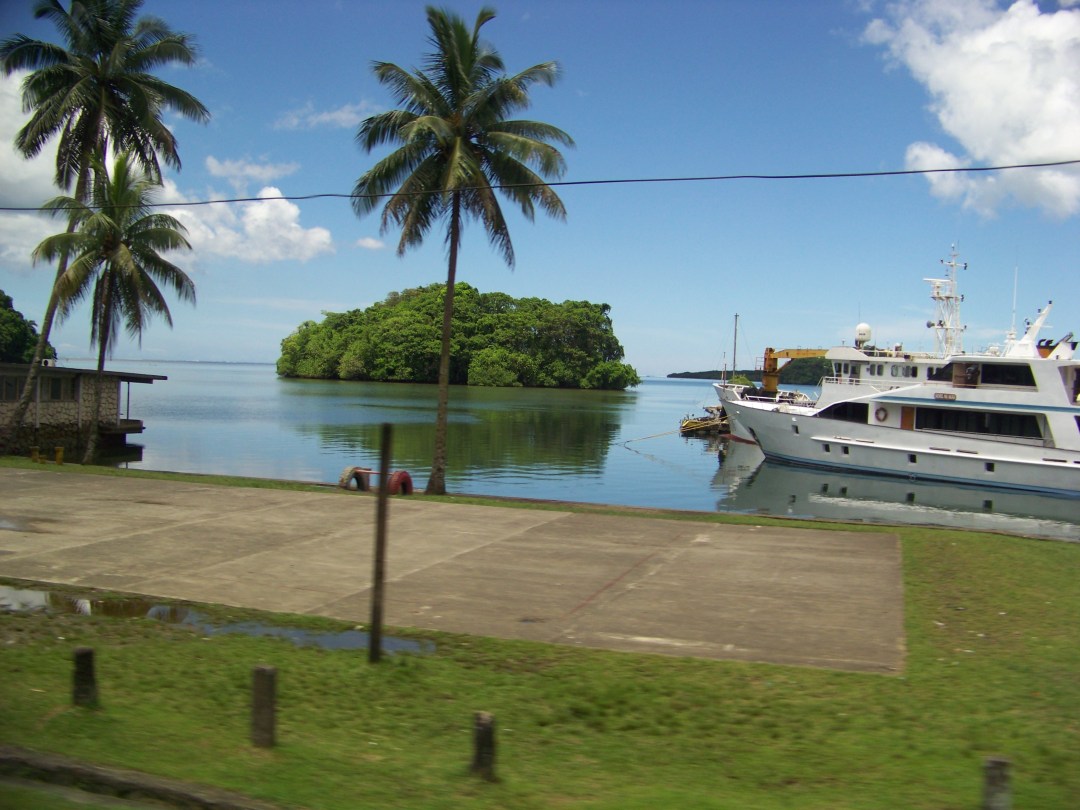
The Spice Farm was nestled in the hills, far from the paved roads. At times, I doubted whether we’d make it around some of the hairpin bends along the dusty track. Eventually, though, we arrived, pulling up alongside a cluster of wooden huts. We were greeted by locals dressed in traditional grass skirts, who began to sing as we stepped off the bus.
Flowers were handed out, and chairs were set up for us under the shade. Our visit began with a performance of traditional welcome songs, after which we were informed that we’d be sharing a traditional meal with them.
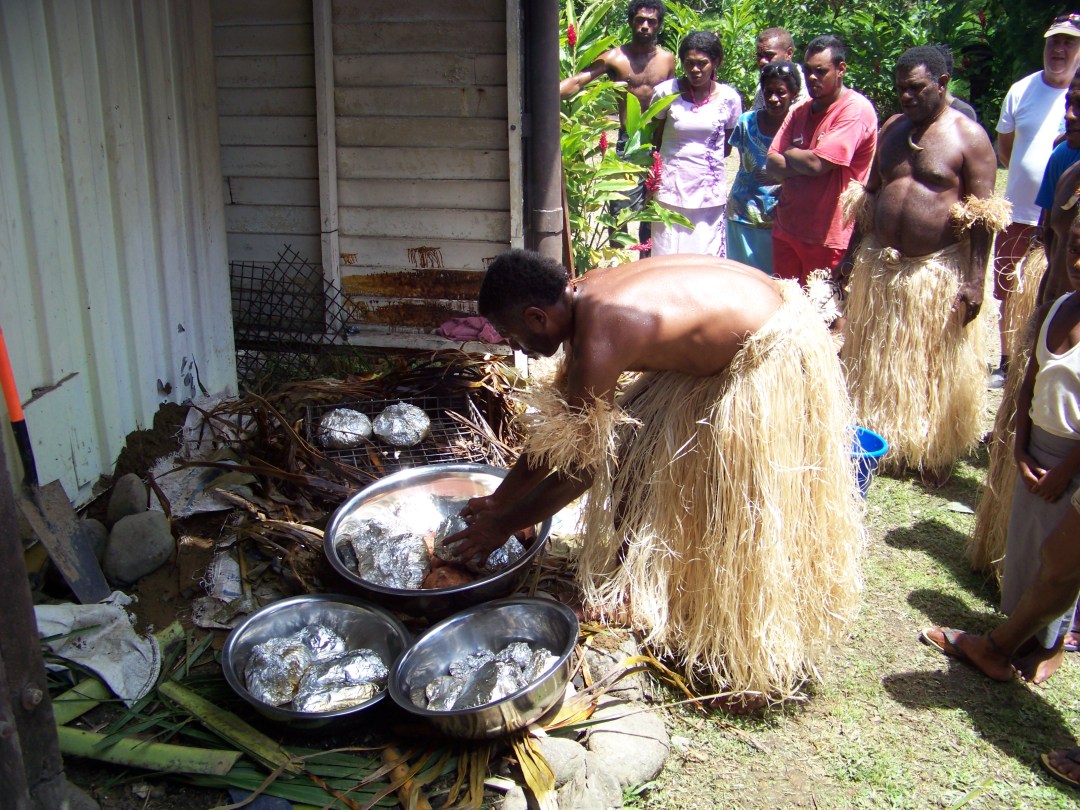
A fire had been prepared over a pile of stones, which were now glowing red-hot. Once the fire had burned down, the ashes were swept aside, and a hole was created in the centre. We were shown the food, wrapped first in banana leaves and, with a modern twist, in kitchen foil. These sizeable parcels were then placed in the pit, covered with stones, and left to cook in the earth oven.


A traditional Fijian welcome ceremony involves drinking kava, and we were given a demonstration of how this unique drink is prepared and consumed. When the time came to try it, not everyone was keen, but Sue and I were among the volunteers. To be fair, it wasn’t as awful as I’d feared, though fortunately, the numbing effect it had on our lips made it easier to tolerate. It’s reputed to be quite intoxicating, but I suspect the version they prepared for us was relatively mild. In any case, we survived unscathed.
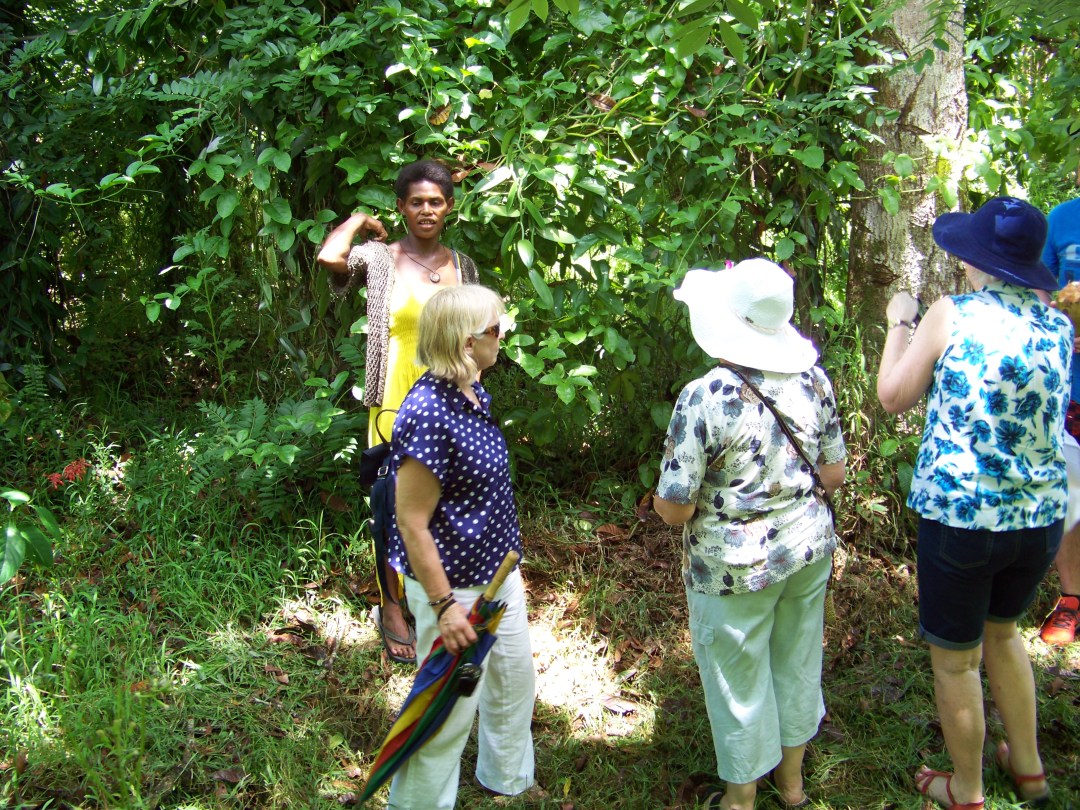
Afterwards, refreshing drinks and fruit were passed around, and we listened to a fascinating explanation of how each spice, held up for us to inspect, was cultivated, harvested, and processed for sale. Once the talk concluded, we divided into small groups, each led by a local villager, for a tour of the spice fields.
Just outside the village, we encountered two young lads expertly chopping open coconuts for us to drink. The heat was intense, but the setting was breathtakingly beautiful. Everywhere we looked, the landscape was naturally picturesque, and every local we met greeted us with a beaming smile. Their warmth and hospitality were genuinely heartwarming, and it was clear they were delighted to have us as their guests.


After getting thoroughly overheated and well-acquainted with the various plants that thrived in the area, we made our way back to the main structure where we had first arrived. Our small group had lingered a little too long in the fields, and as we approached, we could hear the sound of singing coming from the gathering point.
Unfortunately, we had missed the fire walker from the neighbouring village, who had come specifically to demonstrate his skill using the very stones from our earth oven. However, we arrived in time to catch some of the village’s traditional dancing and singing. Although the songs were performed in their native language, they were a delight to listen to, far more enjoyable than some of the village singing we’ve encountered in other countries.
Next, we were treated to more drinks and fresh fruit before the buffet of stone-cooked food was laid out for us to sample. Everything was beautifully prepared, and the flavours were exceptional. Despite my suggestion of recreating the experience for a Friday family curry night, Sue firmly vetoed the idea.
One dish that stood out was the taro leaves cooked in coconut oil, now an absolute favourite for both of us.
After our meal, I picked up some spices to take home and use in my curries.
As our visit drew to a close, the villagers gathered to sing a heartfelt goodbye song. It was such a sweet gesture. Then, in a long line, they bid us farewell with handshakes as we made our way back to the coach, a truly lovely experience from start to finish.
On the return journey to Suva, like many others on the bus, we chose to get off in the city rather than head straight back to the ship. With around four hours to spare before we needed to be back on board, we decided to do some shopping. In a surprising turn of events, despite Sue trying on several dresses, I was the one who ended up making a purchase, a Fijian rugby shirt!
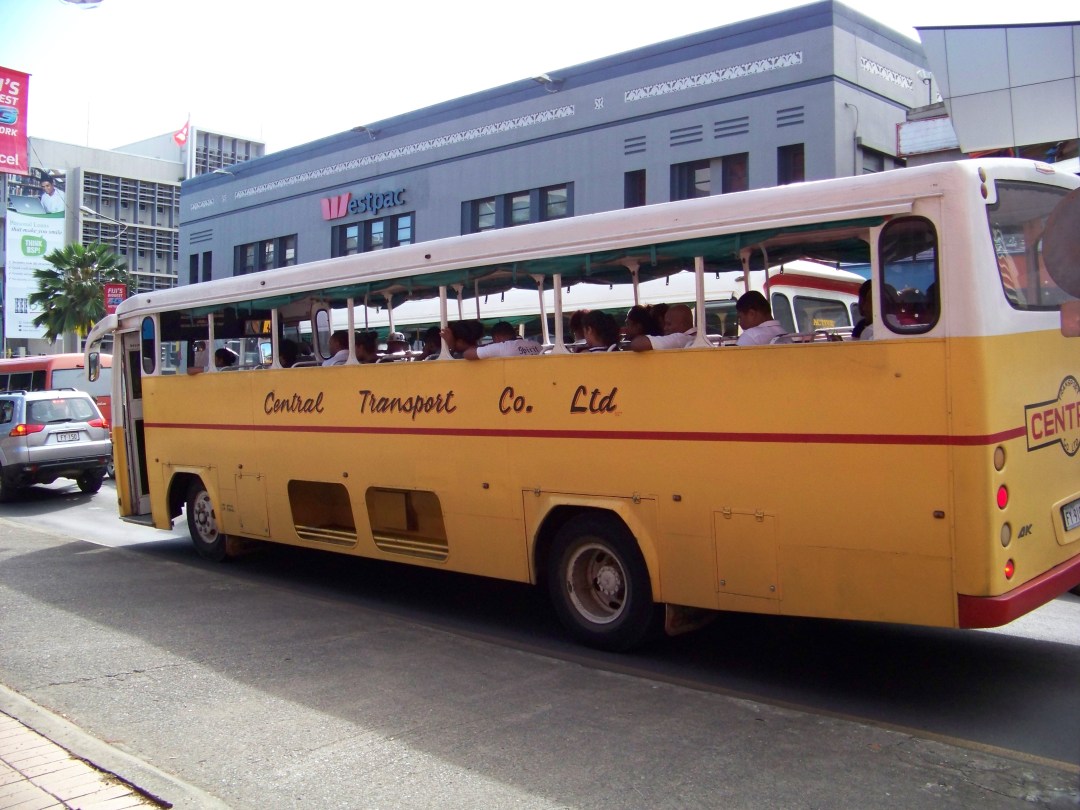
Before catching the shuttle bus back to the ship, we stopped to visit an impressive church in the city centre. While the exterior was striking, the interior was less so, though it had the undeniable advantage of being pleasantly cool.
Once back on board, we headed to the café for some drinks and snacks before retreating to our cabin for a refreshing shower. Sue decided to take a nap, while I went to the library to pick up the day’s crossword and quiz. When I returned, we both went up on deck to watch the ship depart from port.
Far below us on the quay, a Fijian pop group was performing for the passengers, who had gathered on the various decks with outdoor access. When their lively set ended, as if on cue, the Police Brass Band strode out in military style, playing rousing tunes as they marched in formation. After a few pieces, they took their seats and continued playing, now accompanied by a male vocalist, followed by a female singer.
As all this unfolded, we noticed an electric storm brewing over the distant mountains on the other side of the ship. The flashes of lightning were dramatic, adding a spectacular backdrop to the evening’s entertainment.
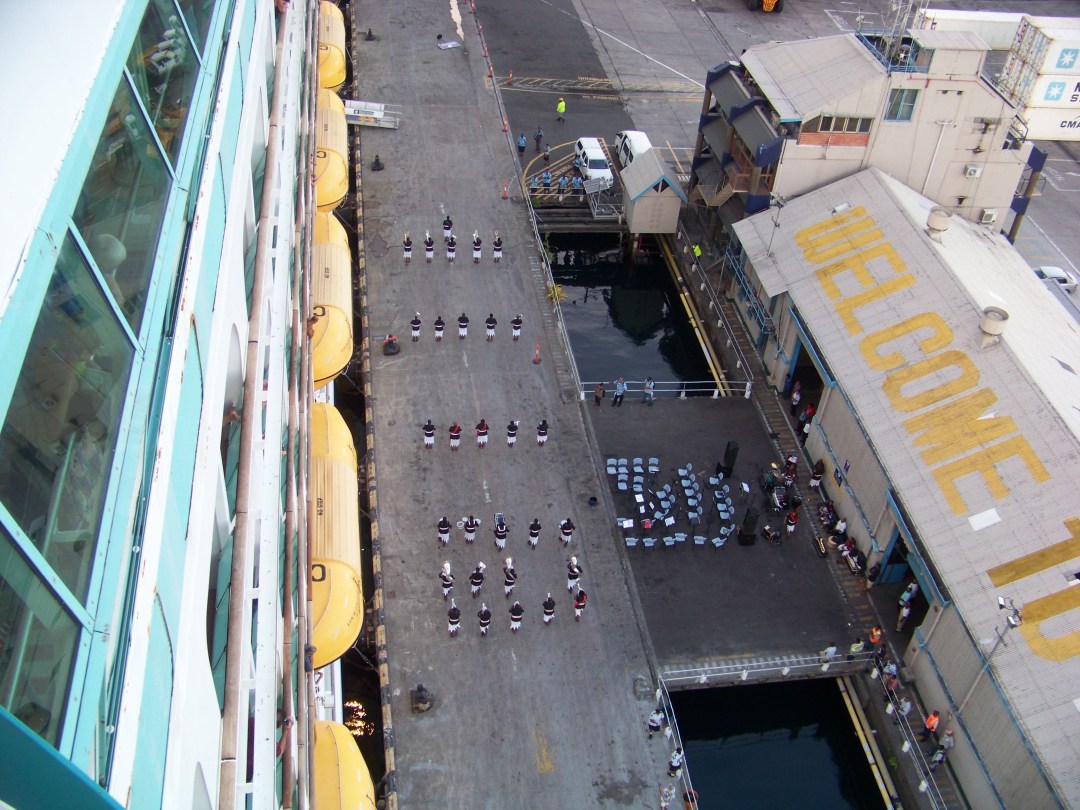
As the lights of Suva faded into the distance, we followed the example of most passengers and returned to our cabin to change for the evening meal. The dress code for the night was casual tropical.
Before dinner, we attended an American juggling act, a husband-and-wife duo. They were passable, though their light-hearted banter seemed to appeal more to the younger crowd. As for the juggling itself, it was fairly ordinary and didn’t quite dazzle.
For dinner, we were joined by Steve and Ellie, and we spent the meal exchanging stories about our day on shore. Before dessert, the waiters treated us to another energetic dance performance, which, to their credit, was genuinely impressive and added a fun touch to the evening.
With no main show scheduled in the theatre afterwards, we skipped the various other entertainment venues and opted for an early night, by cruise standards, anyway, turning in at 11 p.m. We needed to be up bright and early at 6:30 a.m. for the next day’s adventures.
 Palmer Family
Leave a comment