10th July 2022
It had been a long overnight sail, and by breakfast, we were still making our way through the western group of the seventy or so islands that form the Orkneys. The view from the deck was a striking contrast to Greenland’s wild, barren coastline. Low, flat, and verdant slivers of land drifted past, their edges marked by tall white lighthouses and the occasional farmstead. The weather was overcast and blustery.
We entered the waters around Kirkwall at around 11 a.m., passing through Scapa Flow, once the home of the British Fleet and the setting for much naval history during both the First and Second World Wars. A stiff breeze delayed our berthing and the securing of the gangplank.
Sue and I were scheduled to go ashore by 12:30 p.m. to join a tour of the Neolithic sites at Skara Brae and the Ring of Brodgar. However, there was a further delay while we waited for paramedics to board and transfer a rather unwell lady and her husband to the local hospital by ambulance.
Not long after, we were snugly aboard a modern coach, shielded from the bitingly cold wind and occasional light showers, gliding along in comfort and enjoying the views. It was a Sunday, and most people appeared to be indoors, likely enjoying lunch following their morning visit to church. The roads, surprisingly well-kept, were almost empty.
As we left the town, we passed the new hospital where our fellow cruiser was now receiving care. Thoughtfully, the planners had positioned the undertakers right next door. Beside that stood a rather splendid care home for the elderly, and just beyond it, the cemetery. She was certainly in good hands; every eventuality had been considered!
The centre of the island is far more undulating than it first appears from the sea. In the distance, we could see the Mountains of Hoy, round-topped and standing proudly against the horizon. There is nothing jagged or menacing here; the landscape has been softened by time and shaped by human hands. Remarkably, some 23,000 people live here in relative comfort. Farming is the principal industry, though fishing also plays a significant role, as does the oil trade. As we passed through Scapa Flow, we saw three oil tankers moored and waiting to fill their tanks from a shoreline storage facility; its crude was pumped directly from the North Sea.

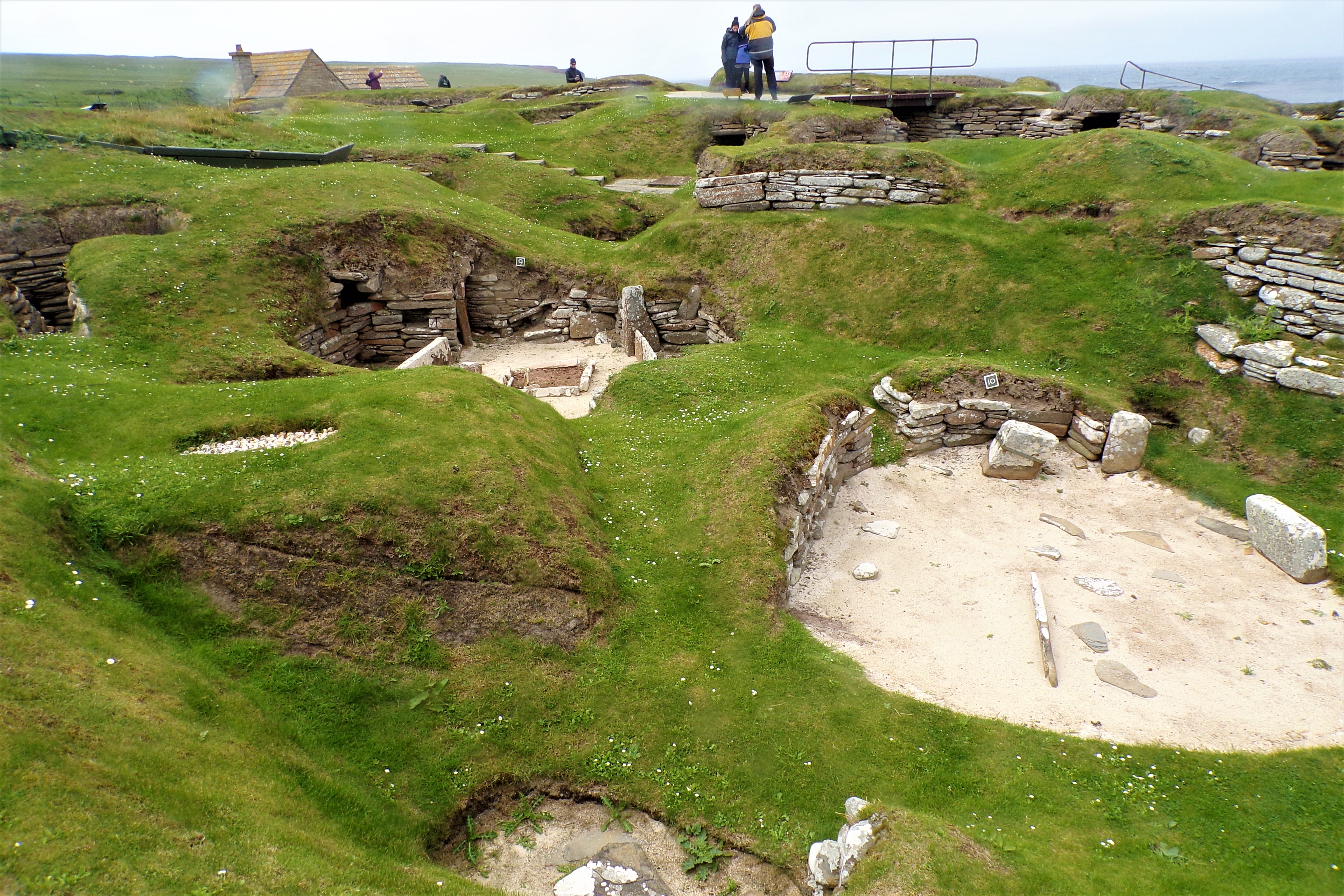
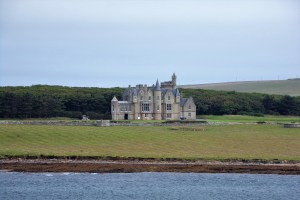
The world-famous and much-filmed site of Skara Brae lies on the opposite side of the island from its capital, and it took us about half an hour by coach to reach the small bay in which it sits, overlooked by the imposing Skaill House. A blustery offshore wind swept across the sandy shore as we stood on a strip of exposed turf beside the monument. Our guide was both knowledgeable and witty, delivering the history of the site with clarity and charm. I’ve long been fascinated by this 5,000-year-old settlement and was eager to lose myself in its physical history, and, if possible, escape the wind while doing so!
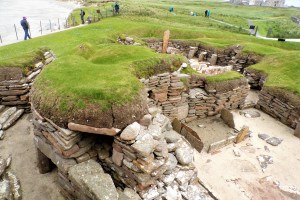
Having seen so many documentaries about Skara Brae, I had imagined it to be much larger than it is in reality. Nevertheless, it remains an awe-inspiring place. If not for the relentless coastal erosion over the millennia, the site may well have been far more extensive. The shoreline is strewn with regularly shaped stones once used in the construction of the buildings, suggesting a substantial settlement, but sadly, the waves of time have erased much of the evidence. From what remains, we can clearly understand how the people lived, yet the reason for the site’s abandonment remains a mystery.
As is so often the case with cruise excursions, we were given just half an hour to wander, reflect, and take photographs before the timetable dictated our next move.
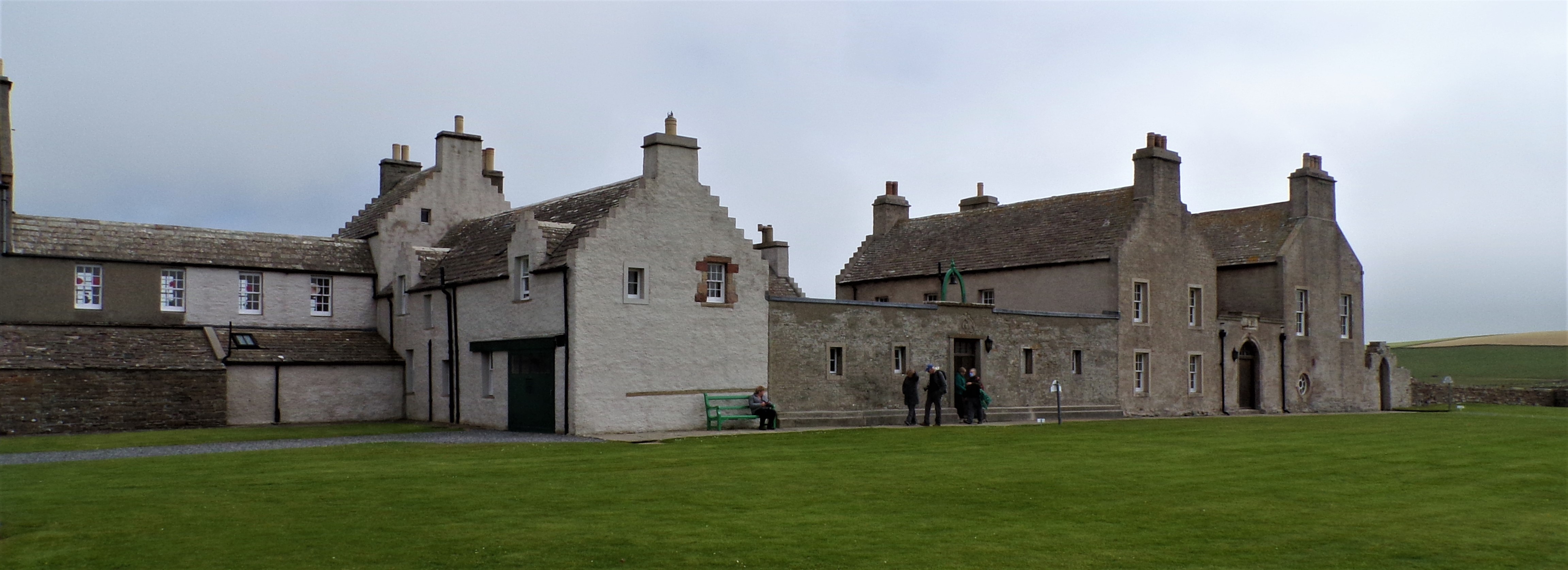
This visit had been years in the making, and I left with just a couple of dozen photographs and a windswept memory. Our group then moved on to what I had expected to be a rather unremarkable stroll around Skaill House. It was, after all, the Laird’s family who uncovered Skara Brae, quite by accident, after a fierce storm stripped away the dunes that had long concealed it.
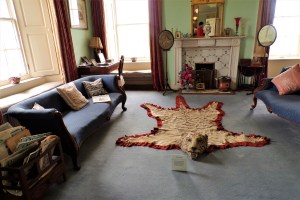
To my surprise, the house was far from the grand, ostentatious residence I had imagined. Instead, it felt like a warm and welcoming family home, filled with artefacts and displays reflecting the lives of its former occupants. Among the most charming were the photographs of children playing among the ruins of Skara Brae, taken before the site gained recognition as an archaeological treasure.
Before rejoining the coach, parked near a small, dedicated museum by the car park, we enjoyed an engaging walk through a full-scale reconstruction of one of the Skara Brae huts, offering a tangible sense of how life might once have been lived there.

A short drive followed by a brief walk brought us to the Ring of Brodgar. Originally comprising sixty large stones, thirty-seven remain standing today. Erected around the same time as Skara Brae, the ring is a place of great significance, dominating the landscape for miles around. Additional stones stretch out into the surrounding countryside, possibly marking ancient processional routes leading to the site. Its true purpose remains unknown, though it was likely religious, a gathering place, or perhaps both.
As we circled the vast stones, the sun made a welcome appearance, casting long shadows and warming the scene just enough for us to take our photographs in comfort, though the wind retained its unmistakable arctic bite.

On our return to the ship, we made one final stop at a smaller ring of standing stones, before passing the site of an ongoing archaeological dig, well known from its regular appearances on television. For now, the excavation is closed, protected beneath tarpaulins and weighed down with hundreds of car tyres to shield it from the elements.
That evening, we were treated to a particularly special performance. Entitled The Enchanted Garden, the show featured the ship’s resident singers. The harmonies they produced were nothing short of magical, at times, truly stirring the soul. I could happily have listened to them all night.

11th July 2022: Sea Day
This is our final full day on board before disembarking at Tilbury. As we sail south along the east coast of the UK, a European heatwave is building, though we’re fortunate that a moving ship generates its own welcome breeze.
It was our last day of shipboard activities and indulgent meals, a contrast to what awaits us in the coming days! After an afternoon lecture on fossils and mass extinction events (hopefully not a sign of things to come), Sue and I retreated to our cabin to begin the laborious and decidedly reluctant task of packing. To add to the challenge, tonight’s dress code is ‘smart’, meaning our evening outfits will have to be packed at the last possible moment. Usually, the final evening is designated as ‘casual’, allowing you to wear your ‘going home’ clothes and pack everything else away.
We couldn’t help but notice an elderly couple down the corridor who had already lined up eight suitcases outside their cabin for collection after midnight. Eight! We could only imagine what they had brought. I felt almost sheepish placing just two outside our door, especially as I’m bringing home three shirts I never even wore!

At Dinner & Farewell
At dinner, we shared a table with two amiable couples and chatted about the highlights of the cruise. We all agreed it had been a wonderful experience, and we could now understand why so many passengers return to this route time and again.
Before the evening’s entertainment, the entire hotel staff gathered on the Palladium stage, waving the flags of the 27 nations they represent, to bid us farewell. It was a touching gesture and a fitting send-off.
Around 11 pm, we placed our suitcases outside the cabin, where they were promptly whisked away to be sorted and stored in readiness for tomorrow’s disembarkation. Before turning in for the night, we took one last look from the aft deck at the twinkling lights of the distant East Anglian shoreline and the solitary glows from dozens of oil rigs scattered across the English Channel.
12th July 2022: Going Home
We were awake by 6 am and sitting down to breakfast half an hour later. Although the morning was bright and pleasant, a slightly subdued atmosphere hung over the restaurant; like us, many were no doubt thinking about the chores that awaited them at home, tinged with the inevitable sadness that all good things must come to an end.
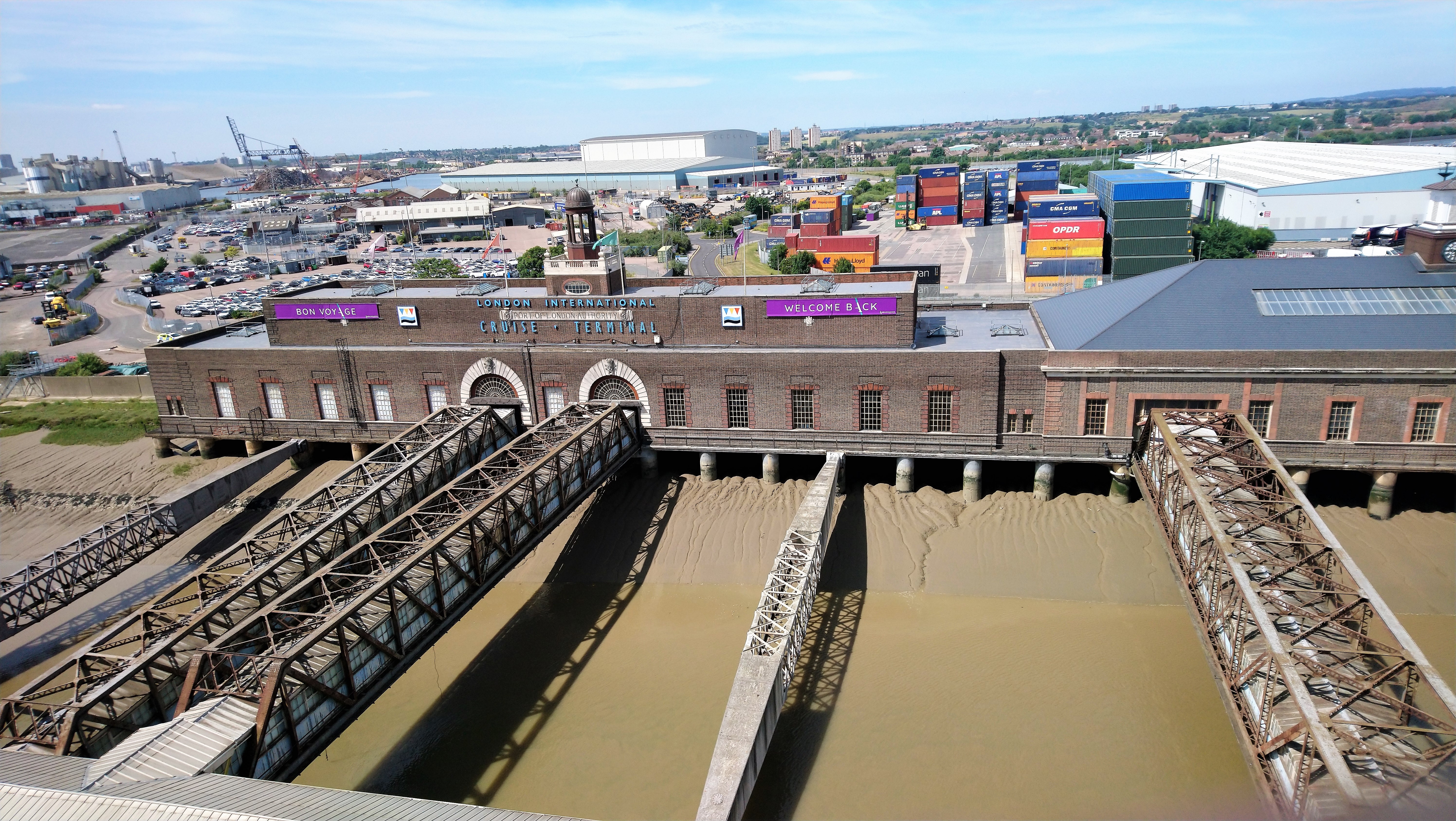
Being on Deck 11, we were among the first to disembark. We quickly retrieved our cases from the neat ranks in the terminal and boarded the shuttle bus to the car park. By 11.30 am, we were home, unpacking and easing ourselves, somewhat reluctantly, back into the rhythm of everyday life.
This journey has left us with some truly wonderful memories, ones that we’ll no doubt revisit and talk about for years to come.
Voyage Summary
Nautical miles travelled:
-
Tilbury – Reykjavik: 1241.6 NM
-
Reykjavik – Qaqortoq: 806.7 NM
-
Qaqortoq – Narsarsuaq: 140.3 NM
-
Narsarsuaq – Sisimiut: 538.0 NM
-
Sisimiut – Ilulissat: 194.7 NM
-
Ilulissat – Nuuk: 386.7 NM
-
Nuuk – Kirkwall: 1677.2 NM
-
Kirkwall – Tilbury: 553.9 NM
Total: 5539.1 nautical miles
 Palmer Family
Leave a comment