17th February 2020
After a somewhat rocky night, we arrived at the port of Vigo in the province of Galicia, Spain, just as breakfast was being served. Vigo is home to Spain’s largest fishing fleet and a key industrial hub for car manufacturing and shipbuilding.
History hasn’t always been kind to this city. Sir Francis Drake bombarded it in 1585 and again in 1589, the latter attack leaving it in flames. In 1702, the English fleet destroyed a combined Spanish and French fleet anchored in the harbour, and in 1719, yet another English fleet seized the city from the Spanish.
One can only hope the people of Vigo have short memories; otherwise, the arrival of the mostly English Magellan may not be entirely well-received!
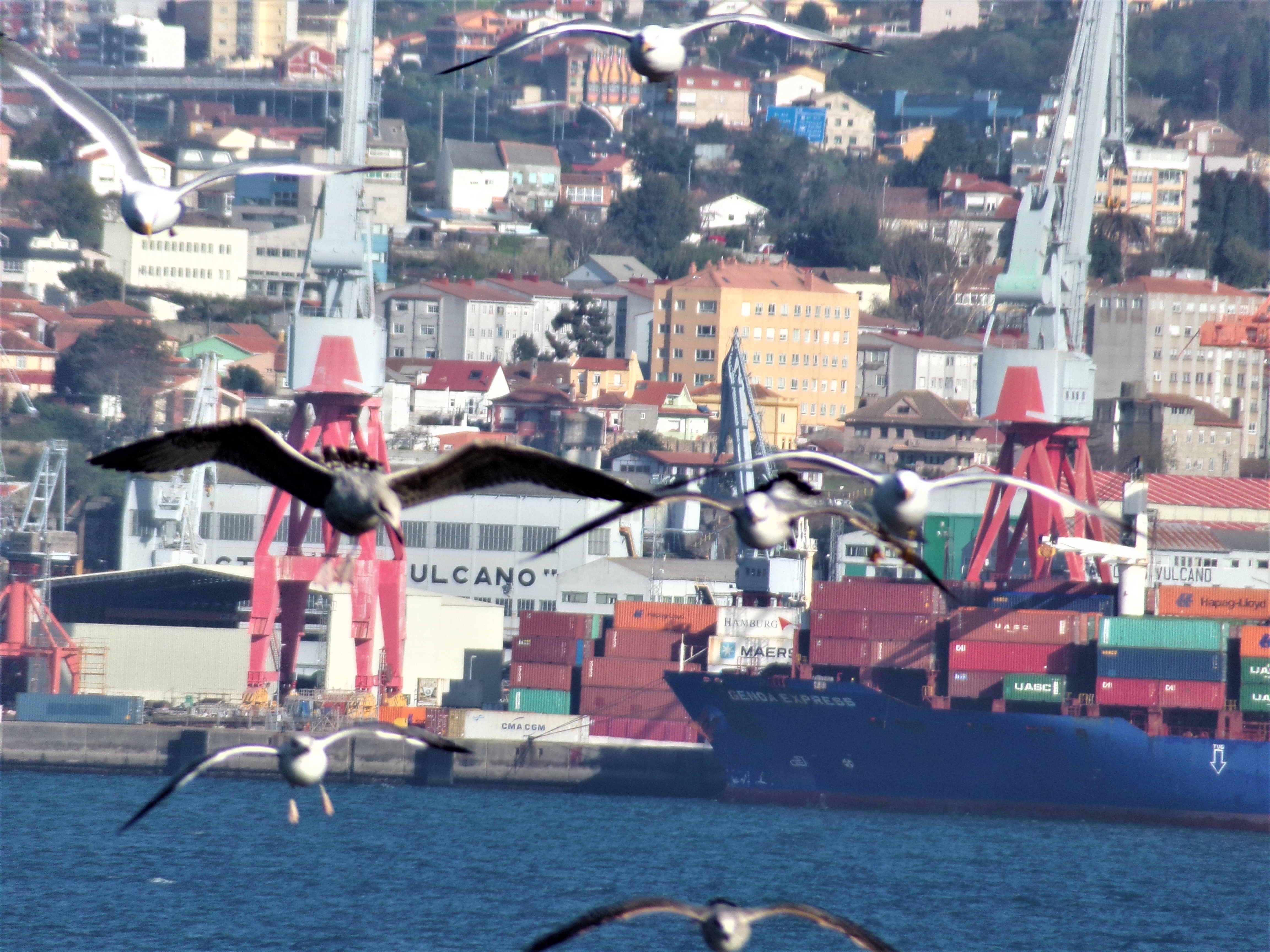
We are only here to avoid the treacherous conditions in the Bay of Biscay caused by Storm Dennis. However, another storm front is rapidly following in its wake, leaving us with only a small window of opportunity to sprint across the bay before the waters become turbulent once again. With this in mind, we must depart Vigo by 4 pm.
The cruise line had arranged a handful of excursions to entertain its passengers, but Sue and I chose instead to explore the city on foot, with no fixed plan other than to see what Vigo had to offer.
Last night, we said our goodbyes to Ken and Chris over dinner. As they live in Spain, it made perfect sense for them to disembark in Vigo and take a domestic flight home rather than attempt to rebook a flight from Gatwick. However, booking flights using the ship’s temperamental Atlantic internet was bound to be problematic, and indeed, it was. When they left the ship, they still weren’t sure whether they were booked on a midday or an early evening flight; only at the airport would they find out.
Over the past six weeks, they’ve been wonderful company and good friends, and we wished them well. Perhaps one day, we’ll book a few nights at their B&B and meet up again.

Thankfully, it was warm and sunny when we disembarked at 9:30 am, eager to begin exploring. However, our plans quickly changed when we discovered a city coach tour departing from the port terminal at 11 am. Seizing the opportunity, we decided to spend the intervening time visiting the nearby cathedral, The Church of Santa María, and wandering the surrounding narrow, cobbled streets.
 Unlike the lavishly gilded interiors typical of many Spanish Catholic churches, the cathedral was refreshingly understated. Instead of gold and opulence, the walls around the altar were adorned with bright mosaics depicting the city’s religious history. The building exuded a sense of solidity and strength rather than grandeur and awe, my kind of church, I thought.
Just outside, set within a raised bed, stood a strikingly old olive tree, a silent witness to centuries of history.

The city was once known as Cidade Olívica (City of Olives). During a conflict between two Spanish noble families over control of Vigo, the victorious Isabella of Castile ordered all the city’s olive trees to be cut down, as they symbolised peace. However, one tree, planted on sacred ground, proved impossible to uproot. The tree standing outside the cathedral today is said to be a direct descendant of that survivor. Not quite as legendary as the Sword in the Stone, and certainly nothing Disney would rush to adapt, but mildly interesting nevertheless.
 We arrived back at the port just in time to sneak onto the coach. Initially, we were told the bus was full, but since not all passengers had arrived, we were placed first in the queue for any no-shows. Fortunately, after cheekily occupying a couple of seats, we weren’t asked to move, as another coach had been arranged to accommodate latecomers.
 The itinerary was surprisingly comprehensive, covering most of the city with three stops for us to explore, take photos, and soak in the sights.
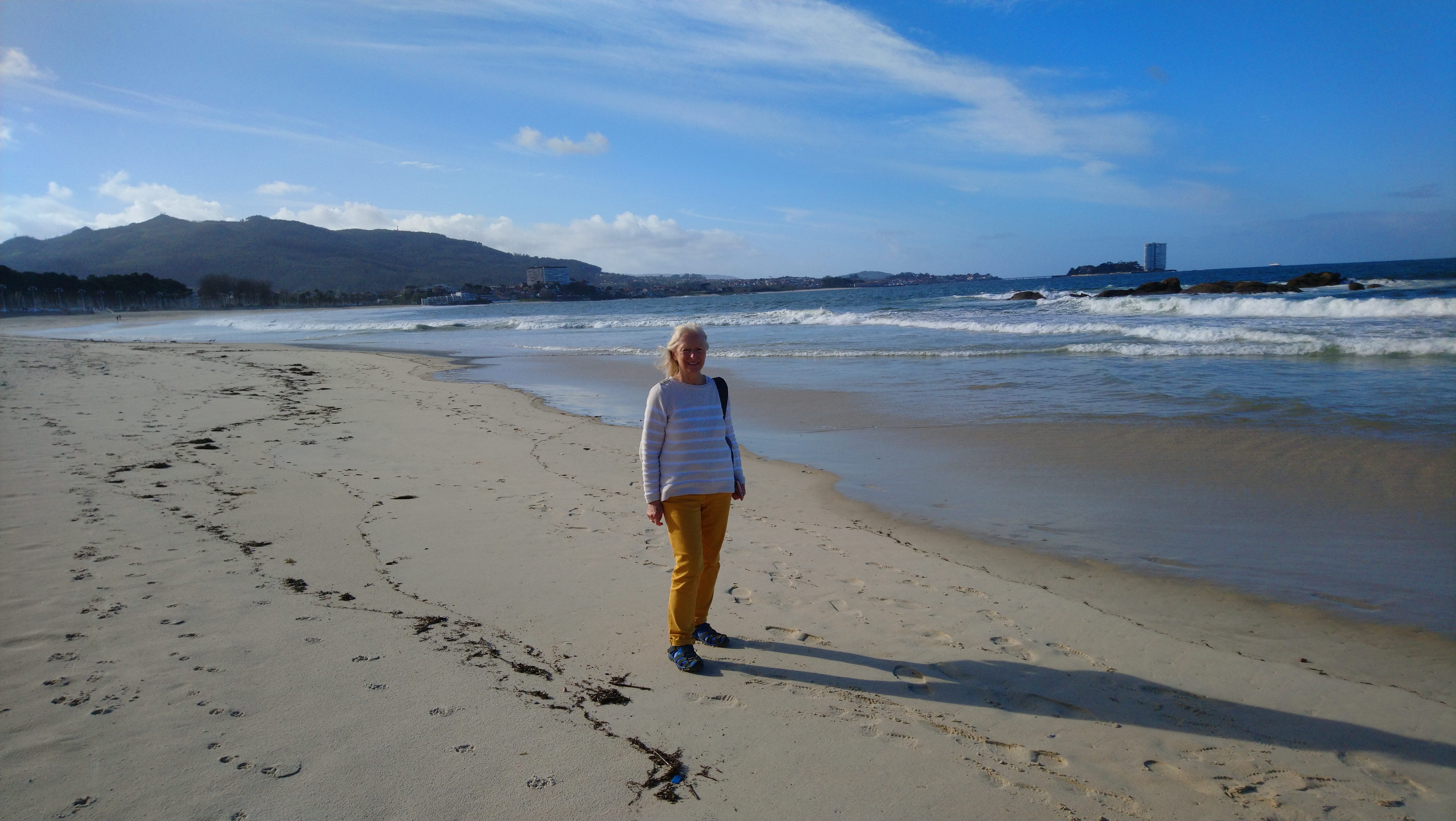
Our first stop was Samil Beach, a public city beach with lovely views across Vigo Bay and excellent sports facilities for locals. Its wide stretch of sand seemed ideal for families on a summer weekend. But today, on a mild Monday morning in winter, apart from a school group armed with clipboards and worksheets, we cruisers were its only visitors.
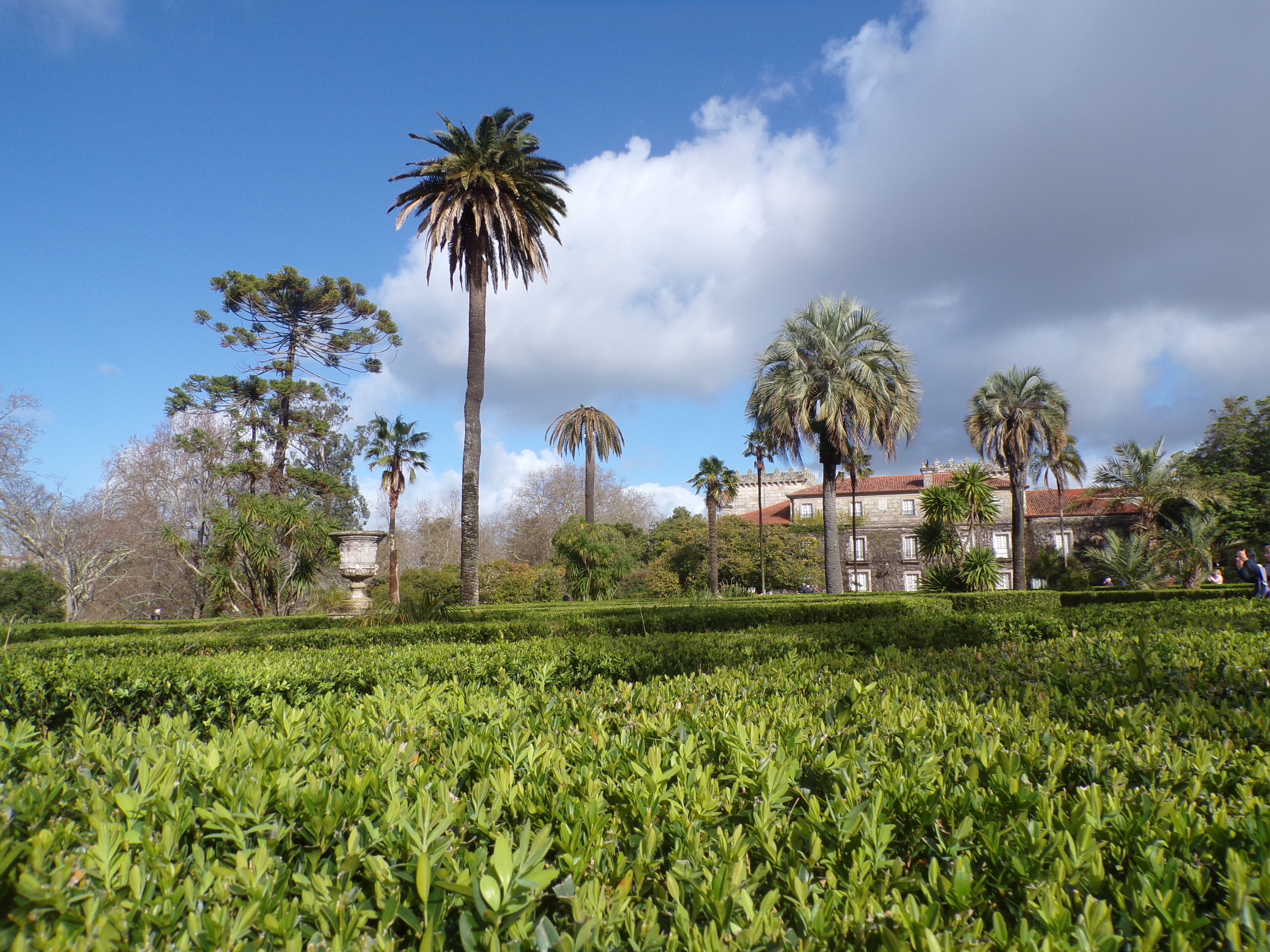
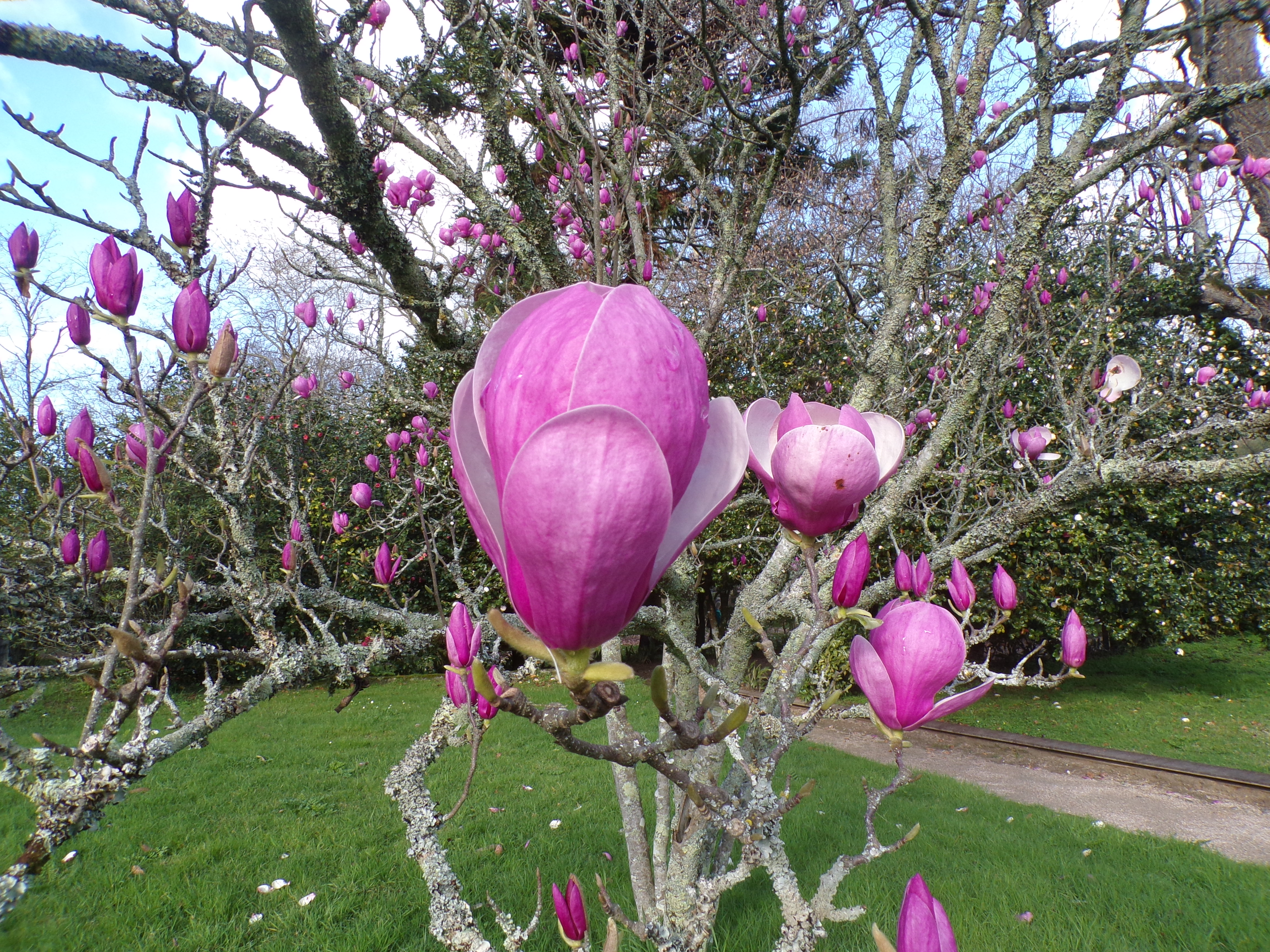 Our second stop was Castrelo Park, home to French and English-style gardens set within the grounds of a 19th-century Galician country mansion, now a museum. Unfortunately, as this is Spain, the museums are closed on Mondays, so we had to content ourselves with exploring the gardens.
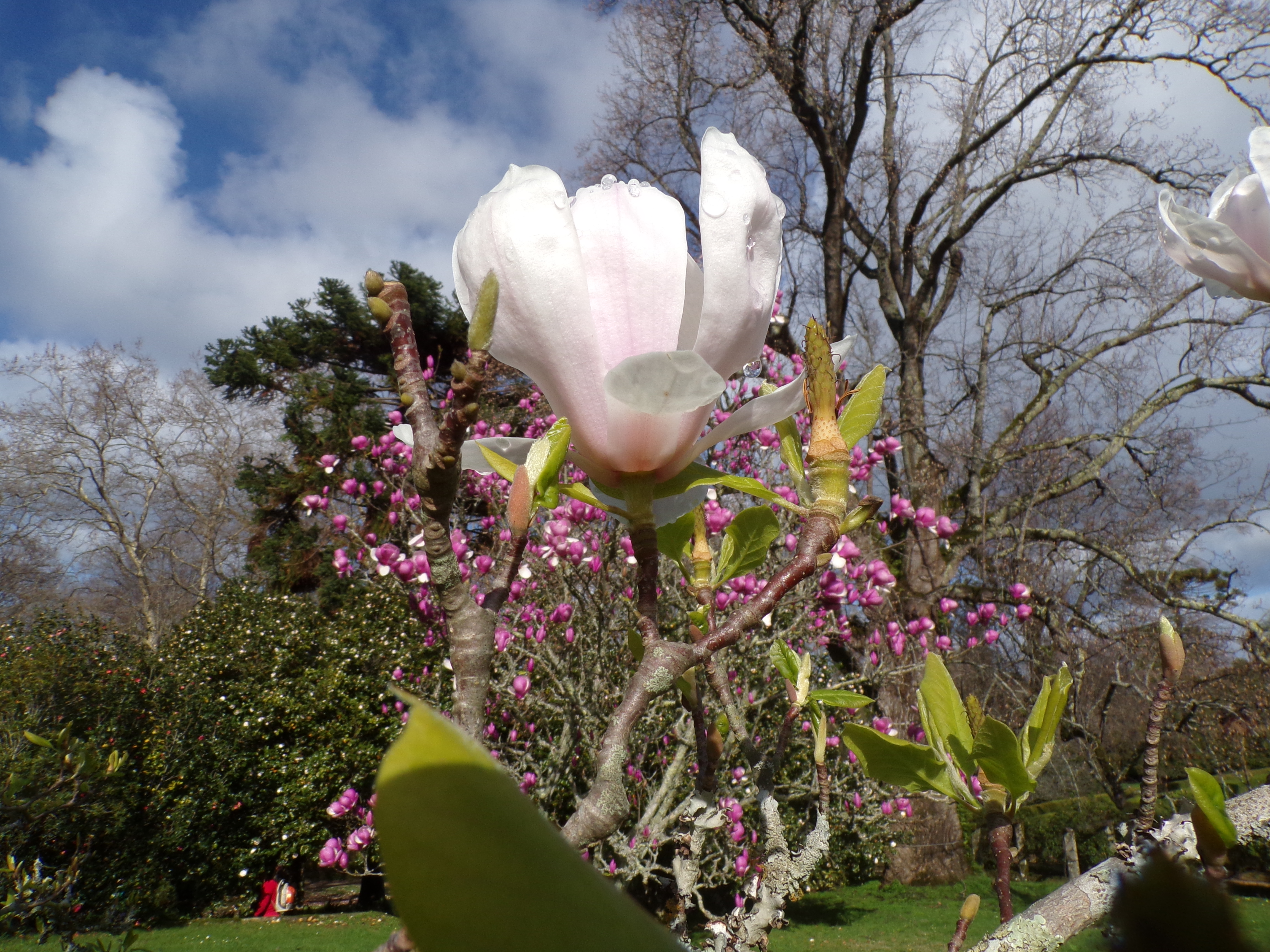
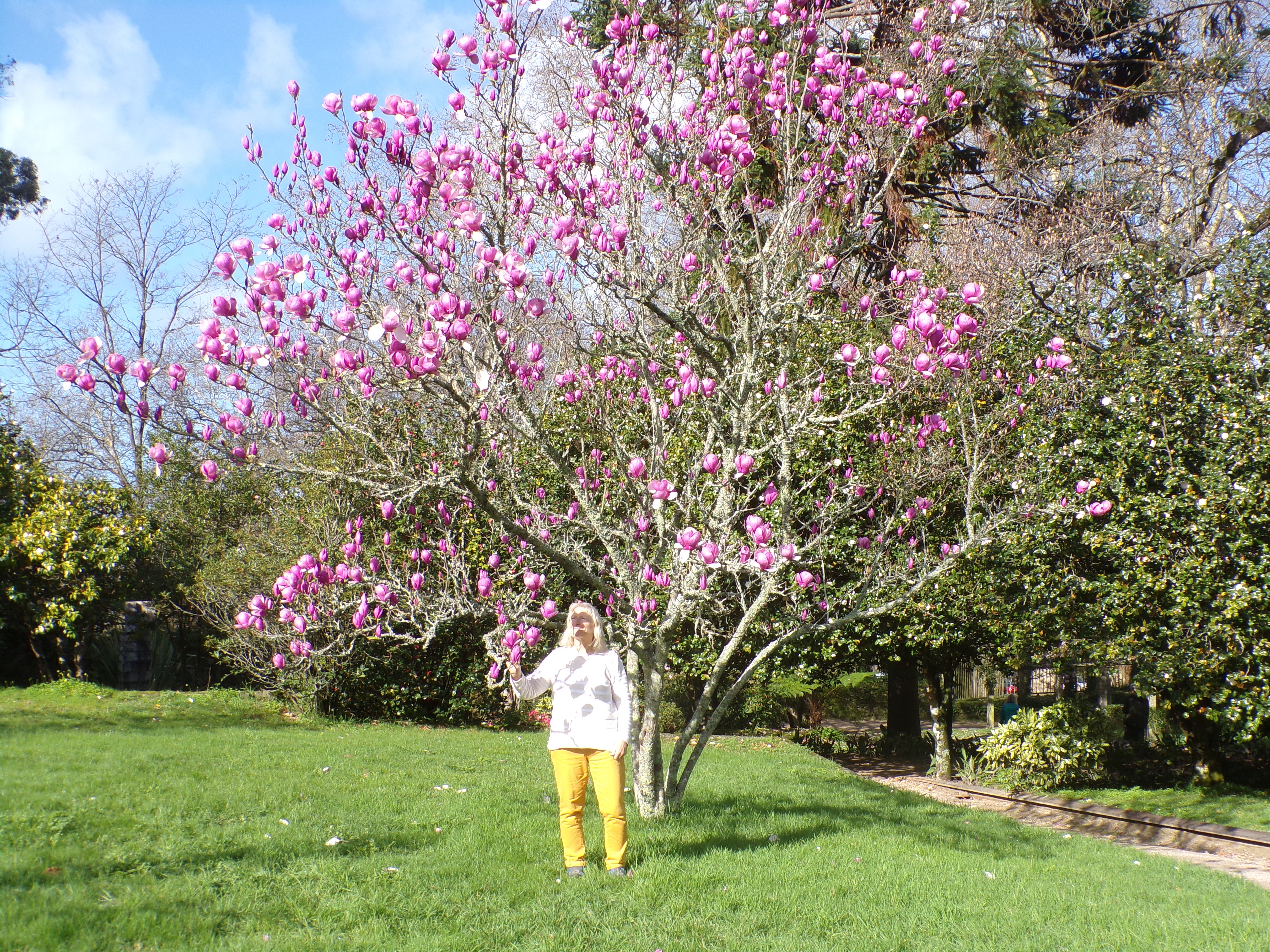 There, we found a magnificent collection of magnolias, most of them dressed in their finest party frocks. These trees are truly spectacular when in full bloom. However, the downside was clear from the number of gardeners armed with leaf blowers and rakes, gathering up the discarded petals into large, colourful drifts. I suppose even perfection has a sell-by date!
Our third stop was O Castro Mountain, a hill rising near the city centre and easily visible from the deck of the Magellan. Once a key part of the city’s fortifications, history suggests that the English had little difficulty in overcoming them. Today, these well-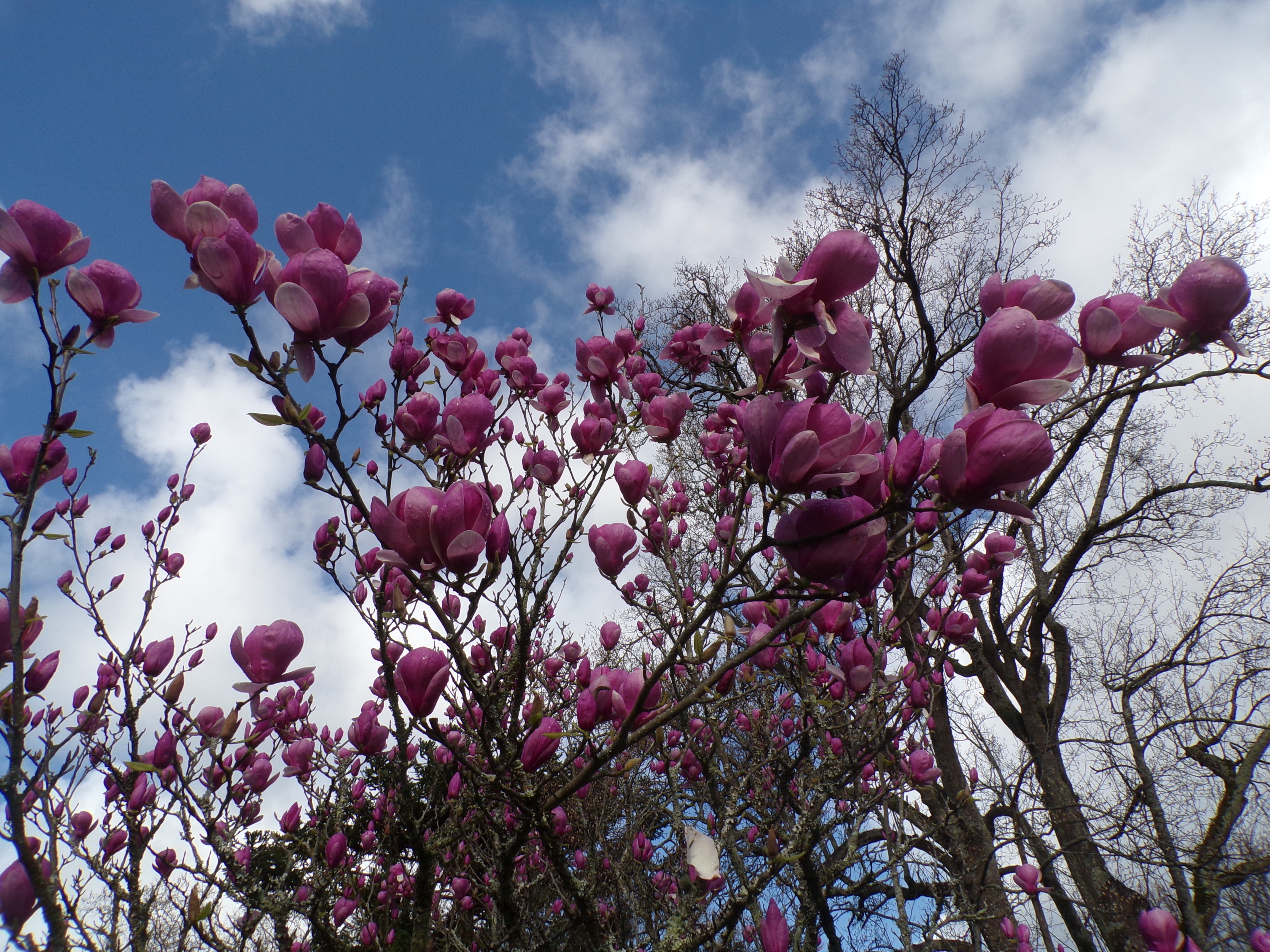 maintained but ruined defences were once again stormed, this time by a band of English privateers (with the aid of a few foreign mercenaries), who swiftly overran the site and subjected it to a relentless barrage of photography.
The views over Vigo Bay, the shipyards, and the city, stretching as far as the suspension bridge spanning the Ria de Vigo, were truly impressive in the mid-winter sunshine.
Too late, a rescue party of Spanish schoolchildren, armed to the teeth with pencils and lined paper, poured into the fortress, only to find that the English had already fled, their booty safely stored in digital treasure chests. Ha, ha, ha, ha!

We returned to the port terminal just in time for a late lunch on board the ship, a morning well spent and far easier on the feet than we had originally planned.
That afternoon, we ventured out once more, meandering through a few more of Vigo’s streets. We browsed several shops but left empty-handed. Eventually, we found ourselves in a shopping mall, where we took the opportunity to call Jamie. We ended up speaking to Ruth, as he was busy driving back from a snowboarding trip in very cold Scotland. From what we’d seen on Facebook, it looked as though they had been staying in a glamping pod, brrrr! With Storm Dennis howling around them, it must have been quite the experience.
As we re-boarded the ship, chatting with fellow passengers, we learned that a large fishing trawler had sunk in the Bay of Biscay during the night. A wise decision by the captain, I think, to stop in Vigo. The ship departed on schedule at 4 pm; fingers crossed, the trawler wouldn’t have company.
 Palmer Family
Leave a comment