9th June 2014
On 25th May, Nan, Sue and I set off for Wales. Nan had been invited to a family wedding (Nia and Graham’s), while Sue and I were using it as an excuse for a few days of walking and sightseeing. The adventure, however, got off to a wobbly start.
When we arrived at Huntingdon Gardens to collect Nan bright and early, there was no answer to the intercom and no reply on the phone. Assuming she’d popped to the corner shop for her paper, we trotted round there, only to be met with nothing more exciting than an empty pavement. With growing concern that she’d been taken ill, we began the return journey to fetch the spare keys. Halfway home, Sue rang again and, miracle of miracles, Nan answered. She’d indeed gone for her paper, and we had narrowly missed her on our little detective mission.
Back at her apartment, there she was, bags neatly stacked, looking mildly bemused at all the fuss. After checking (or so we thought) that she had everything she needed, we finally set off. The drive itself was uneventful, but our confidence was shaken upon discovering that Nan had neglected to pack sensible shoes, her walking stick, and even her coat. The pick-up pantomime had clearly distracted us from conducting a thorough kit inspection.
We reached her sister Josie’s in Brymbo around lunchtime and found her bustling about the kitchen, preparing Sunday lunch for eight. It turns out she cooks most Sundays for whichever members of her large brood happen to descend, a standing invitation that seems to keep her permanently surrounded by pots, pans and grateful relatives. With the table about to be filled, Sue and I made ourselves scarce, leaving our mobile numbers in case of emergencies (culinary or otherwise).
We drove to Holt, perched on the Welsh border, and parked in the centre of the village. Sue produced a picnic lunch, which we devoured before wandering down to the river to inspect the remains of the castle. To say there wasn’t much left would be generous, but the handful of information boards gave it a bit of context, and we had a good peek at the archaeological dig taking place. It wasn’t quite Camelot, but it kept us entertained.
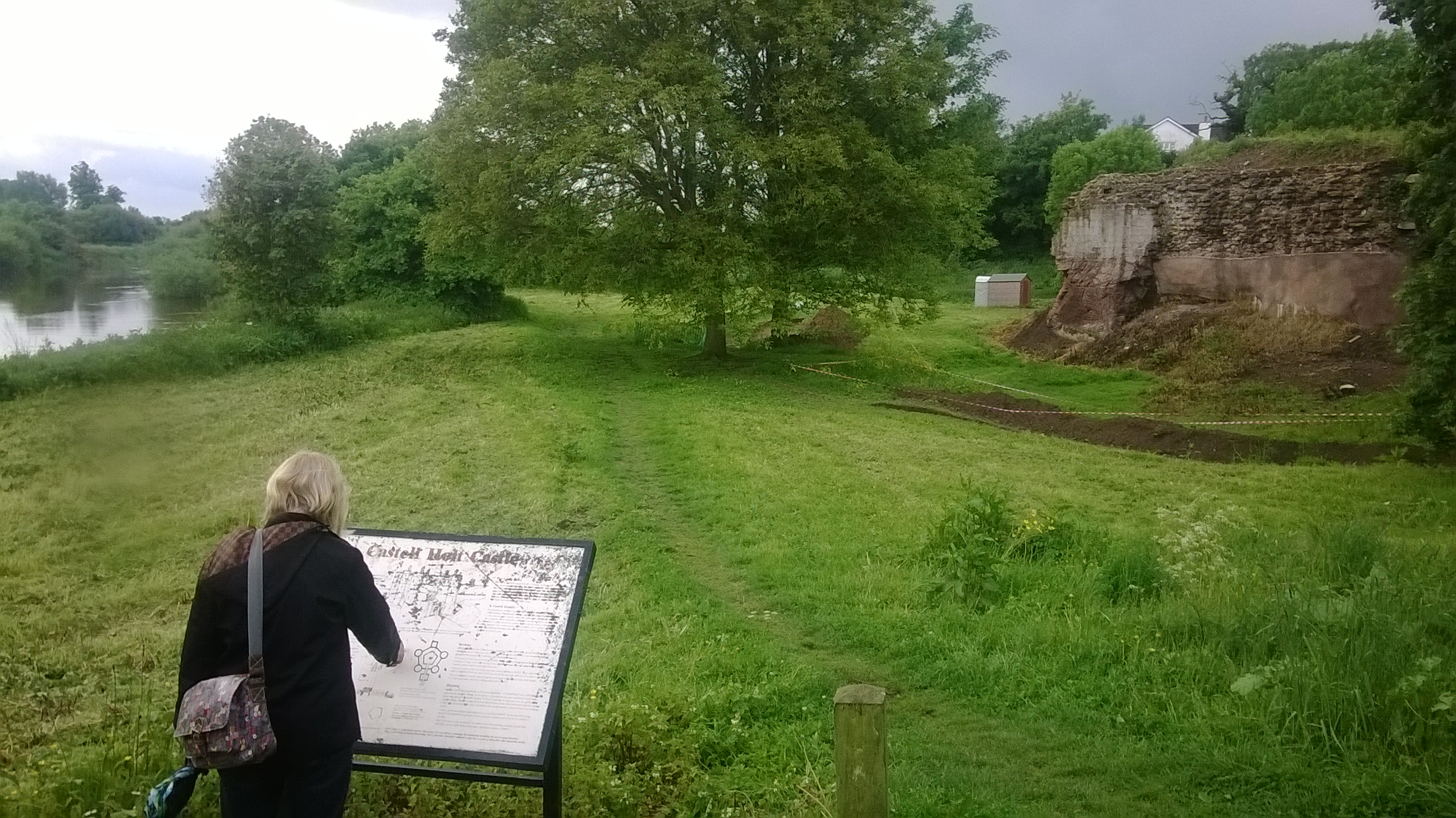 Afterwards, we checked into our hotel, had a restorative coffee, and set off for a wander around the town. How Wrexham has changed since Sue and I trained there in the late ’70s! At times, we struggled to recognise streets that had once been as familiar as the backs of our hands.
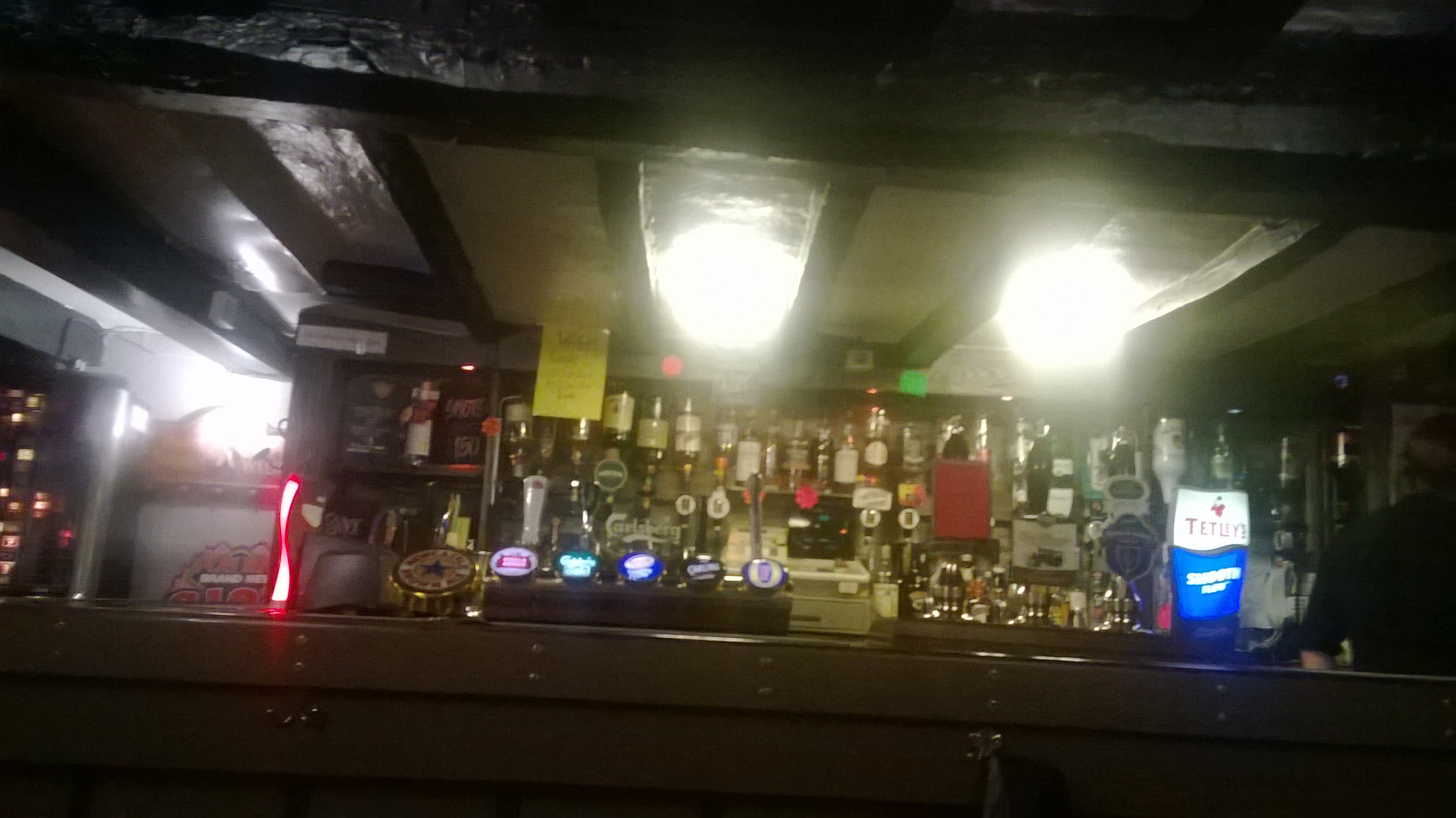
Eventually, we stumbled across an old favourite, the Horse and Jockey. There it stood, the same thatched medieval inn of our memories. The only notable difference was the absence of the boisterous queue of merry-makers that used to spill out of the doorway, desperate to wedge themselves inside. Deciding to indulge in a bit of nostalgia (and perhaps a pint), we stepped in to quench our thirst.
To my eyes, it hadn’t changed much at all, though back in the day, one never really got a proper look at the place. Getting to the bar had always felt like a military manoeuvre, and once there, the décor was impossible to appreciate thanks to the sea of bodies wedged in shoulder to shoulder. It was like drinking inside a cupboard during a particularly popular sardine convention.
But this time, it was a different world. Instead of tight-skinned youths rubbing up against the bar, their mates, or would-be sweethearts, there were perhaps eight other customers in total, all roughly our age. I suspect they may have been the very same clientele from those halcyon days, still quietly nursing their pints after forty years, having never quite found the exit. Softly playing in the background was some suitably subdued ’70s music, Blackberry Way, no less!
Finishing our drinks in relative peace (a first for this establishment), we stepped back outside, only to be greeted by a flood of scantily dressed youths streaming towards the High Street, accompanied by overdressed policemen marching purposefully in the same direction. Clearly, the evening’s entertainment was just warming up; we’d simply arrived far too early for the main performance.
 Back in the ’70s, Wrexham had something of a reputation for being a rough-and-ready place to party. Students were strongly advised not to venture into the town centre alone, lest they encounter the local thugs who seemed to regard undergraduates as fair game. Fast forward a few decades and, truth be told, not much appears to have changed.
The nearer we drew to the High Street, the louder the music pounded, this time not from traditional pubs, but from the grand old buildings that were once reputable banks. These days, they’ve been transformed into bars and nightclubs, and at least now, when you make a “deposit,” you get something more tangible in return than a lecture about overdraft fees.
Constables seemed to multiply with every step we took, marching about in high-vis battalions, while the youth of North Wales strutted and cavorted with the confidence of peacocks in skimpy plumage. Once upon a time, the Horse and Jockey was the place to be. Now, it’s the High Street banks. How the mighty have fallen (or diversified).
Threading our way through the throng, we finally reached the welcome refuge of the Wynnstay Arms Hotel, conveniently located at the far end of the street. Later in the evening, we braved the outside world once more for an Indian meal at a nearby restaurant, before returning for a surprisingly peaceful and comfortable night’s sleep, proof, perhaps, that one can survive a Saturday in Wrexham after all.
After breakfast, we drove to Chirk for a walk I’d plotted into my trusty GPS. We parked at the Bridge Inn, laced up our boots, and set off under a glorious Bank Holiday sun. The scenery was, as expected, superb, and before long we found ourselves at Chirk Castle.
Being a Bank Holiday, we were far from alone. Thankfully, unlike the High Street revellers of the previous night, this crowd was sober, quiet, and, most reassuringly, fully clothed. As is her custom, Sue diligently read every information board on offer (and there were plenty), before steering us into the little workshops and retail corners that seem to sprout like mushrooms at every National Trust site. Eventually, we wandered up to the castle proper for the obligatory photographs.
I had just positioned myself in the portcullis to line up a shot when I was suddenly accosted by an elderly country gentleman of unmistakably Old Etonian stock. In crisp, military tones, he barked at me to “stay exactly there!”. Sue, clearly intrigued by the prospect of what scrape I’d managed to get myself into, sidled up with a raised eyebrow.
Within moments, the gentleman had corralled a small band of bewildered tourists around us and launched into what turned out to be an impromptu castle tour. His delivery was clipped, authoritative, and brooked no nonsense. He certainly knew his history and clearly relished the chance to unload it upon us. Any poor soul who dared to look less than utterly enthralled was swiftly pounced upon. Even Sue was caught out: he noticed a discreet yawn and promptly demanded she point out the lead guttering along the battlements. (She did, with the look of a schoolgirl caught daydreaming at the back of class.)
I, however, have perfected the Homer Simpson technique: body present, mind elsewhere, yet managing to maintain the appearance of polite attention. To be fair, in those rare moments when my mind and body actually aligned, I found the history fascinating, and the man’s humour, eccentric and decidedly old-school though it was, rather endearing.
The tour ended with what was clearly meant to be a farewell joke. It sailed clean over my head, and judging by the nervous chuckles around me, over everyone else’s, too. Still, we all laughed dutifully, not daring to do otherwise. After all, when faced with an Old Etonian with the voice of a brigadier, silence simply isn’t an option.
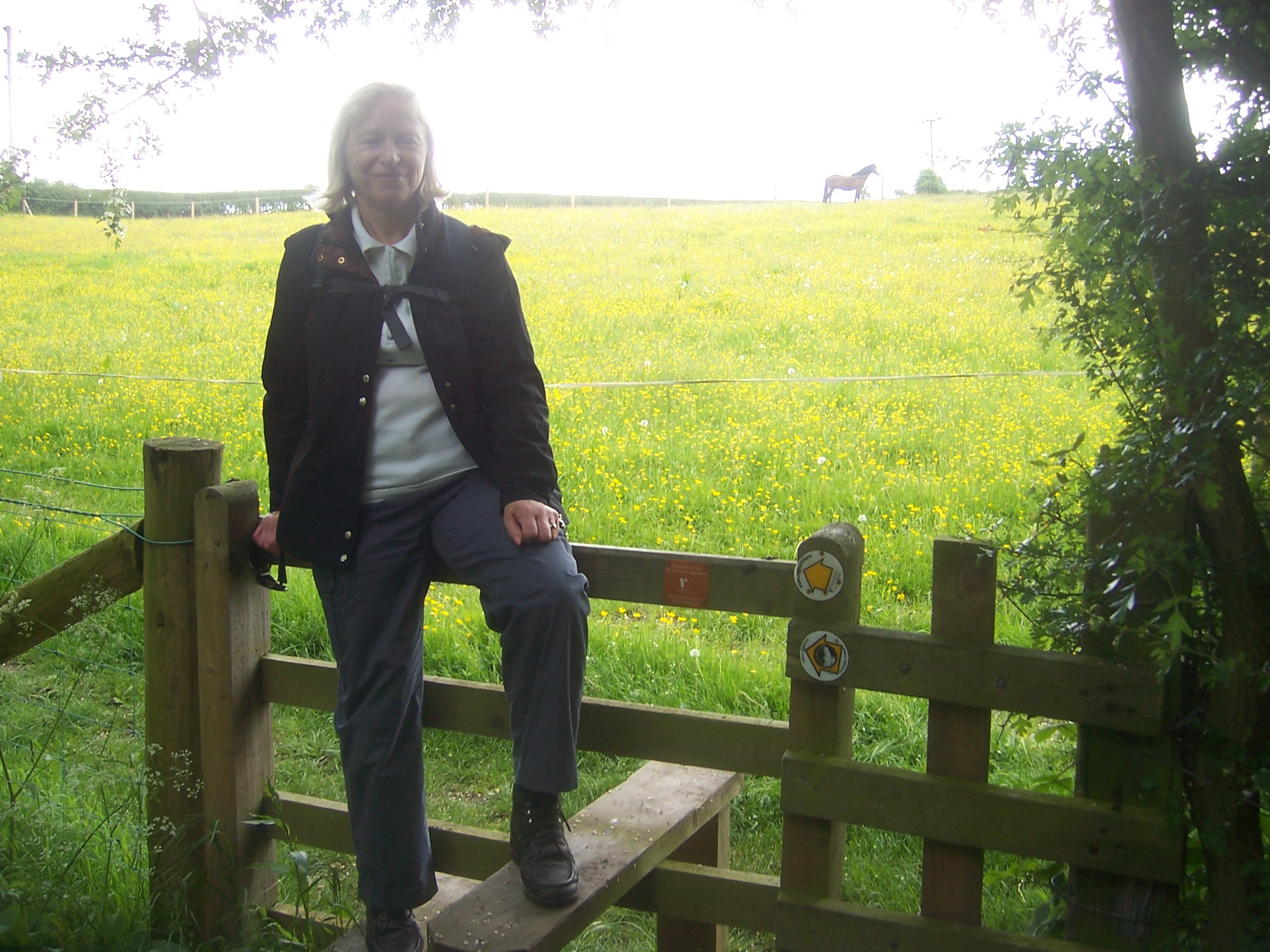

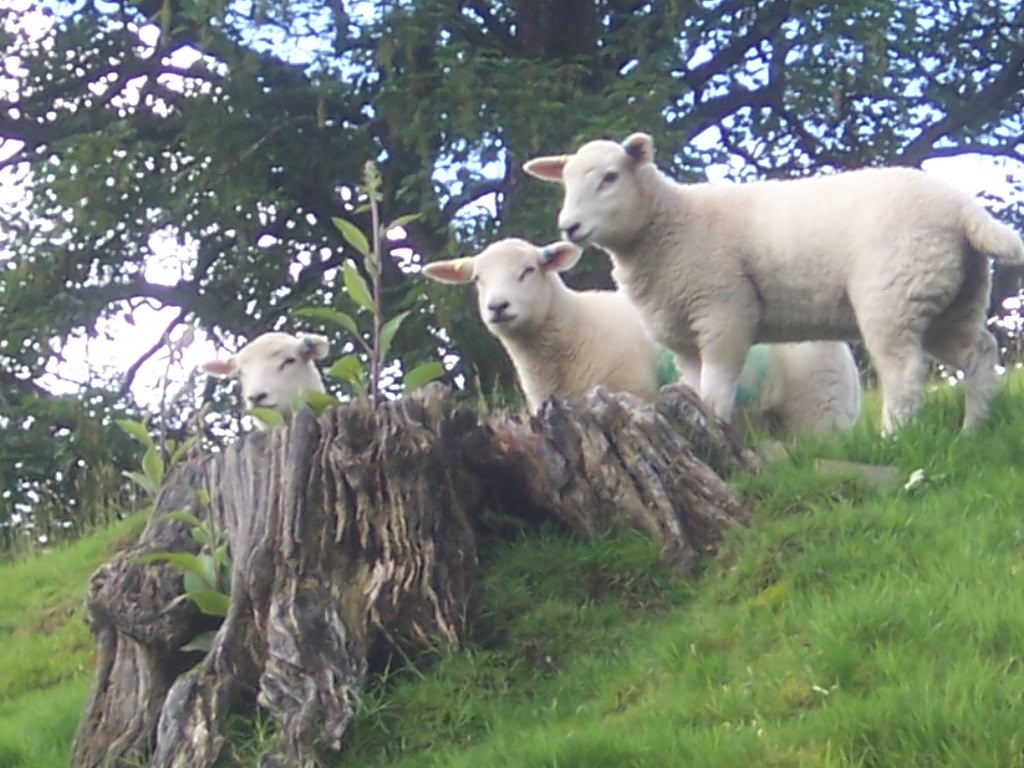


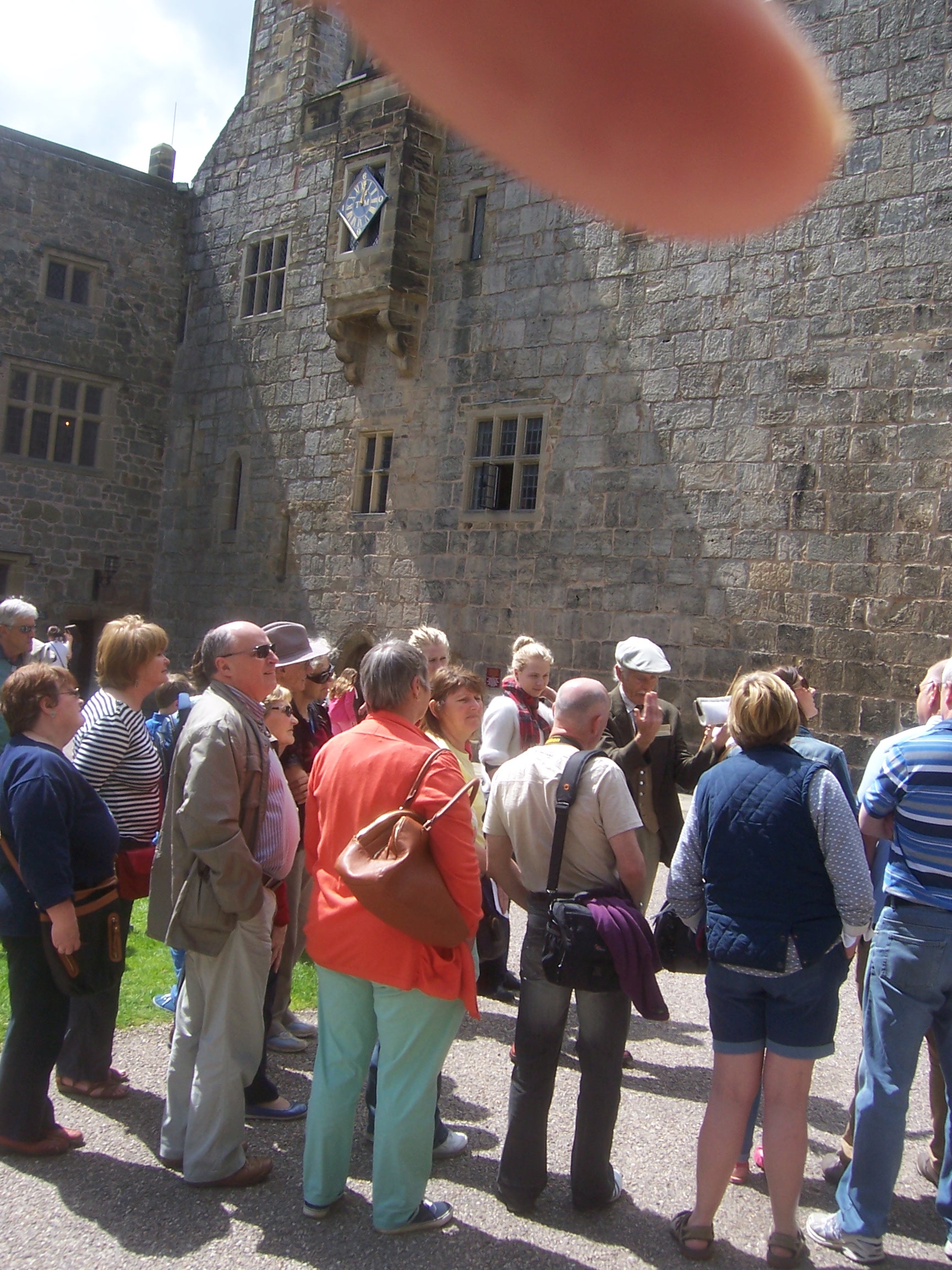
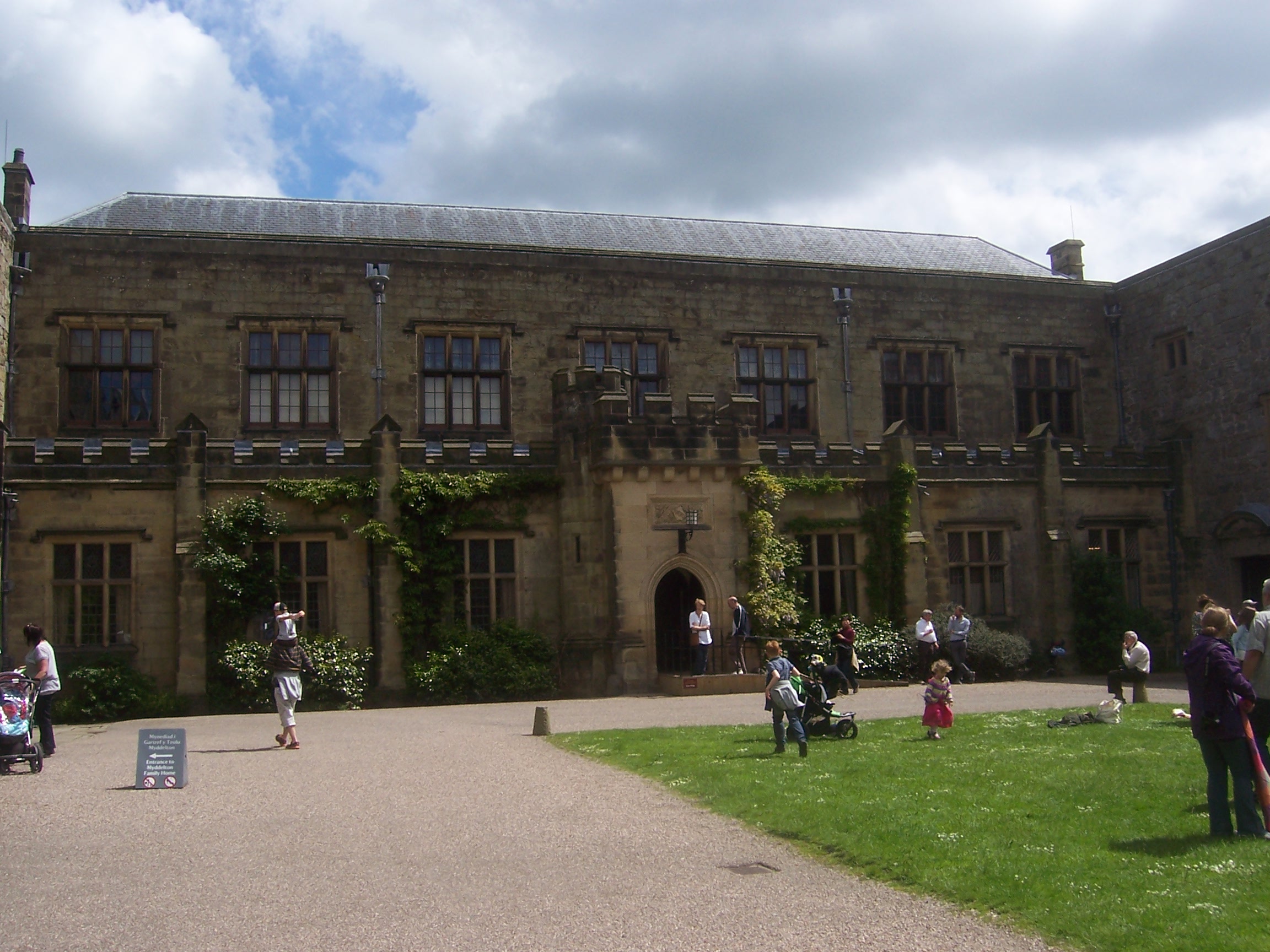


From the castle, we carried on with our walk, eventually looping back to the pub where we rewarded ourselves with lunch before instructing the SATNAV to guide us to the Minera Lead Mines. This seemed an entirely appropriate destination, after all, Sue had now proved she could identify at least one use for lead, courtesy of her enforced gutter-spotting duty at Chirk. Off we went.
Unfortunately, the SATNAV had other ideas. Our first attempt landed us not at the Lead Mines but at a country park on the Wrexham to Mold road. We gave it a token stroll, squinted at a couple of signs, and then tried again, this time using the SATNAV on my phone. Surely, we thought, technology couldn’t fail us twice. Off we went.
Alas, attempt two deposited us not at the Lead Mines either, but at Nant Mill near Coedpoeth. Still, it turned out to be rather a pleasant wooded spot with a visitor centre and an “Educational Block” (the sort of thing that promises inspiration but smells faintly of damp posters). We dutifully read the information boards, peeked inside, and then embarked on a decidedly muddy circular walk through the forest.
Back where we’d started, we decided to hunt down the remains of the actual mill. After much squelching about and more guesswork than archaeology, we eventually unearthed (metaphorically) a single forlorn stretch of wall beside a very picturesque ford. At that point, dusk was drawing in, and with our chances of ever finding the elusive Lead Mines fading fast, we abandoned the quest and headed back to Wrexham, two parts muddied, one part defeated.

![WP_20140526_001[1]](https://davidp53.com/wp-content/uploads/2014/06/wp_20140526_0011.jpg) After changing at the hotel, we embarked on a rather convoluted trek to find a Chinese restaurant open on a Bank Holiday Monday. Several circuits of Wrexham later, and with several inches of shoe leather sacrificed, we finally discovered one, directly across the street from the hotel. The irony was not lost on us. Still, the meal was excellent and worth every unnecessary step. Suitably fed, we wandered over to the local Odeon in the shopping mall and watched Godzilla. Quite enjoyable, though perhaps not one for the National Curriculum. By the time we returned to the hotel, it was midnight.
After changing at the hotel, we embarked on a rather convoluted trek to find a Chinese restaurant open on a Bank Holiday Monday. Several circuits of Wrexham later, and with several inches of shoe leather sacrificed, we finally discovered one, directly across the street from the hotel. The irony was not lost on us. Still, the meal was excellent and worth every unnecessary step. Suitably fed, we wandered over to the local Odeon in the shopping mall and watched Godzilla. Quite enjoyable, though perhaps not one for the National Curriculum. By the time we returned to the hotel, it was midnight.
The next morning, after breakfast, we checked out and popped across the road to visit the church. Sue had been inside during her college days (RE being her main subject), whereas I, in my youth, had been far too busy ignoring the significance of such places to bother. It seems my penance continues, as the church was firmly shut.
From there, we drove to Cartrefle, where Sue and I first met. The college itself is long gone, replaced by a school, leisure centre, and medical centre. All that remains to mark its past is a modest plaque on the entrance gatepost, which at least gave us a brief nostalgic moment. We wandered the grounds, attempting to line up the ghosts of vanished buildings with those that still survive, until the rain convinced us it was time to move on. Liverpool beckoned.
The drive was smooth enough until just outside the city, where we joined a traffic jam and crawled along for nearly an hour. I had been dreading Liverpool’s infamous one-way system, but the SATNAV, having failed to locate a mountain the previous day, redeemed itself by guiding us straight to the Adelphi Hotel without a hitch. Typical.
We parked in the hotel’s substantial car park and decided to explore before checking in. Sue’s target was the Radio City Tower for its panoramic views. Spotting the tower itself was simple; finding the entrance, less so. After much wandering, muttered incantations, and advice from locals, we finally cracked the code and unearthed the doorway. We paid the gatekeeper and, accompanied by two cheerful Liverpudlian ladies, ascended in the magical box with slidy doors to the top.
The views were superb, Liverpool laid out in every direction from what was once a revolving restaurant on a stick. We were doubly lucky, as our Liverpudlian companions provided a running commentary on the cityscape. One even claimed she had been at school with John Lennon. We would later discover that in Liverpool, everyone is either a cousin of a Beatle, once shared a bus with Ringo, or knows exactly what Paul McCartney had for breakfast. It’s part of the local charm.


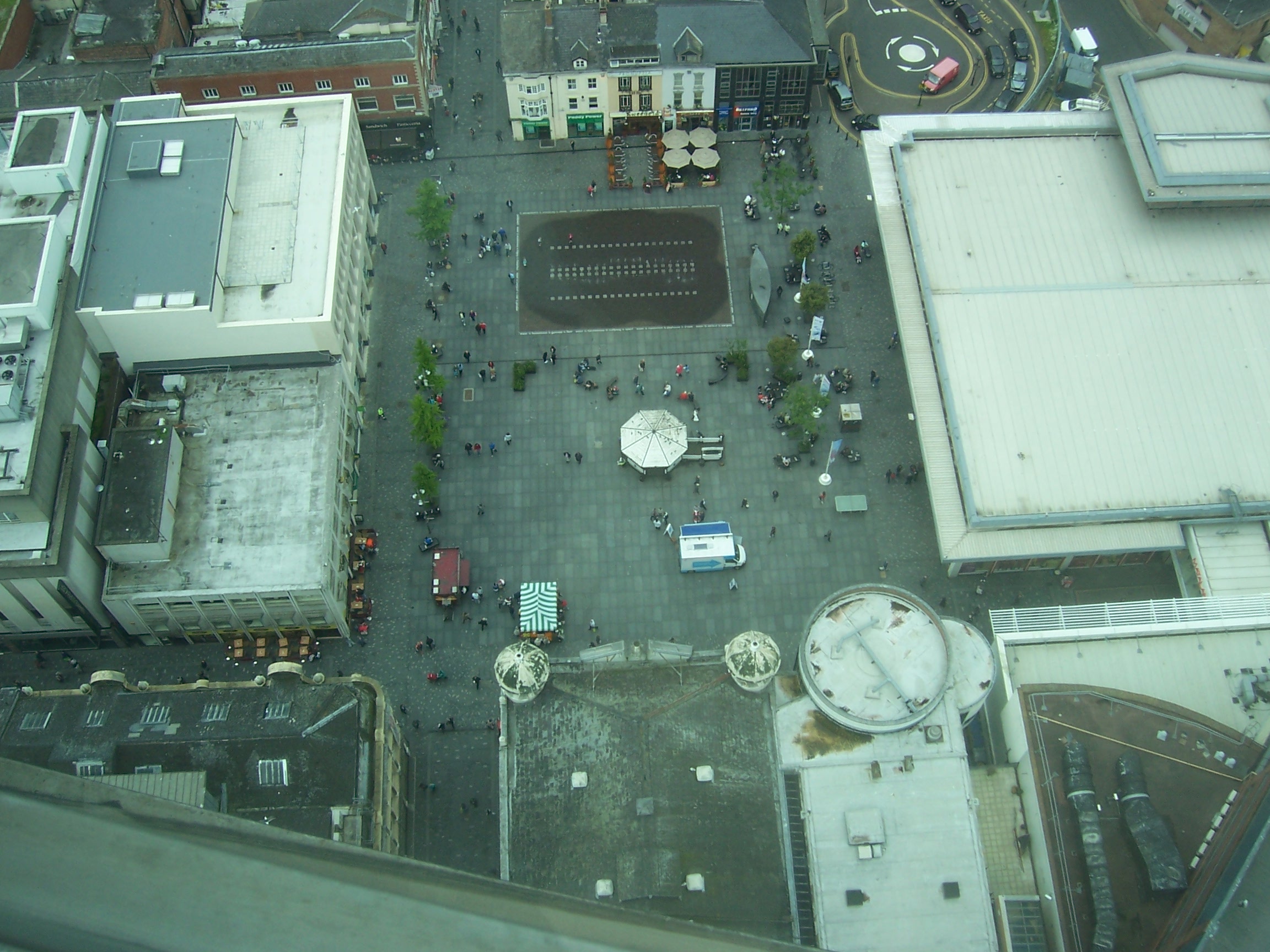

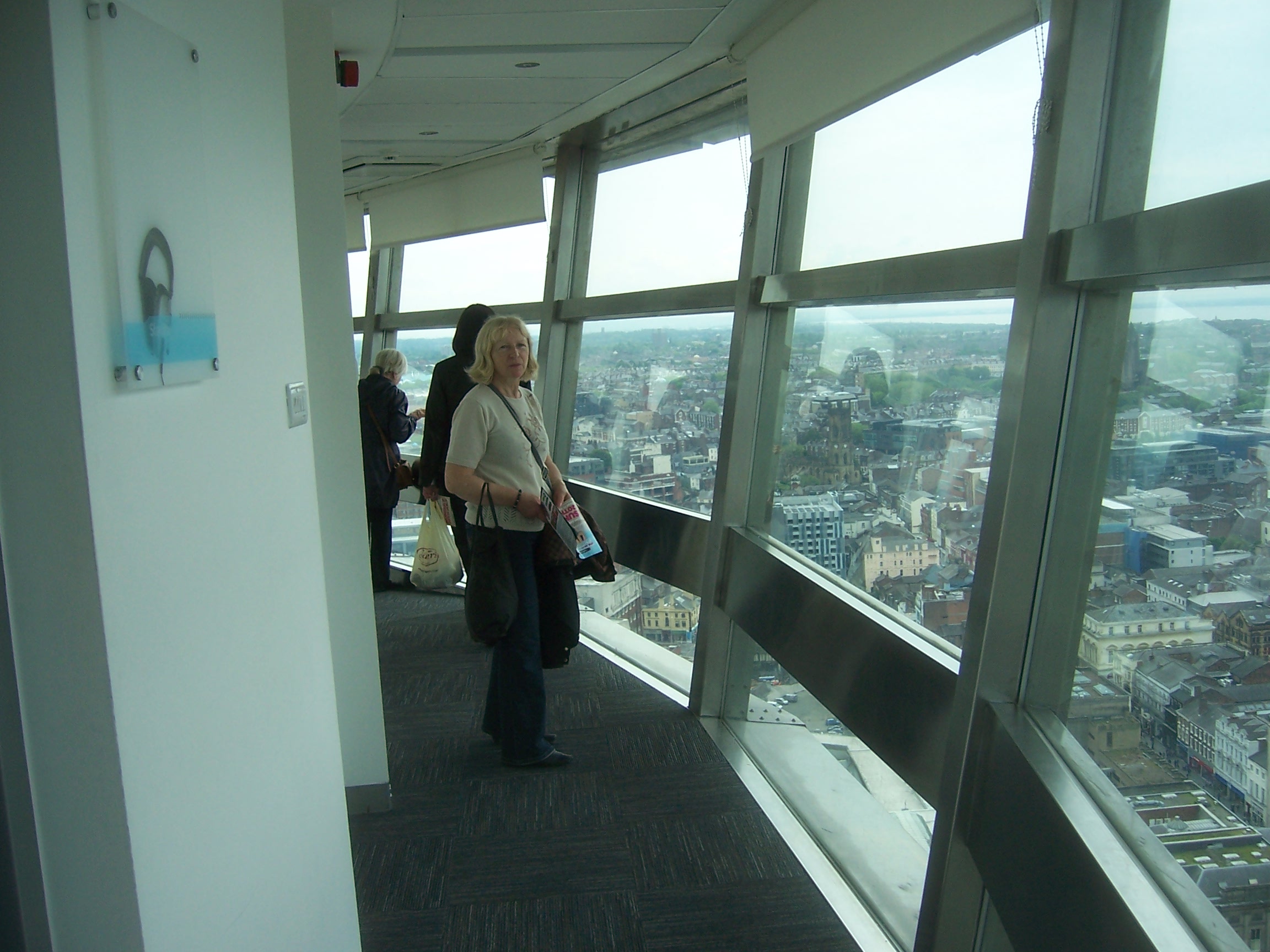
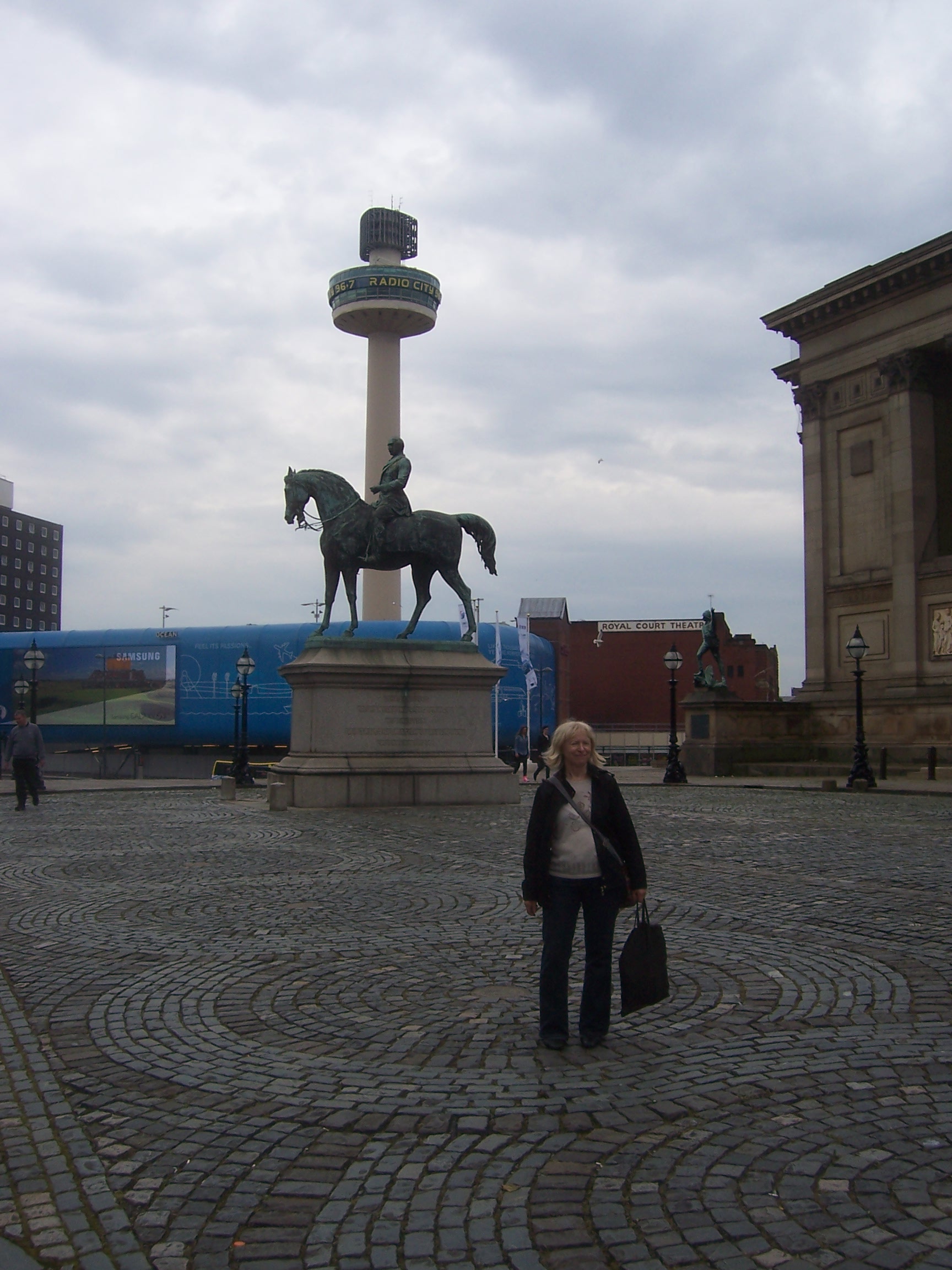
Armed with our newly acquired knowledge from the heights of the Radio City Tower, we descended to earth and set off to explore. First stop was St. George’s Hall, that grand old pile with its pillars and history, before booking a couple of tickets at the Royal Court Theatre to see Sex in the Suburbs later that evening. With culture and comedy secured, we returned to our lodgings to finally check in.
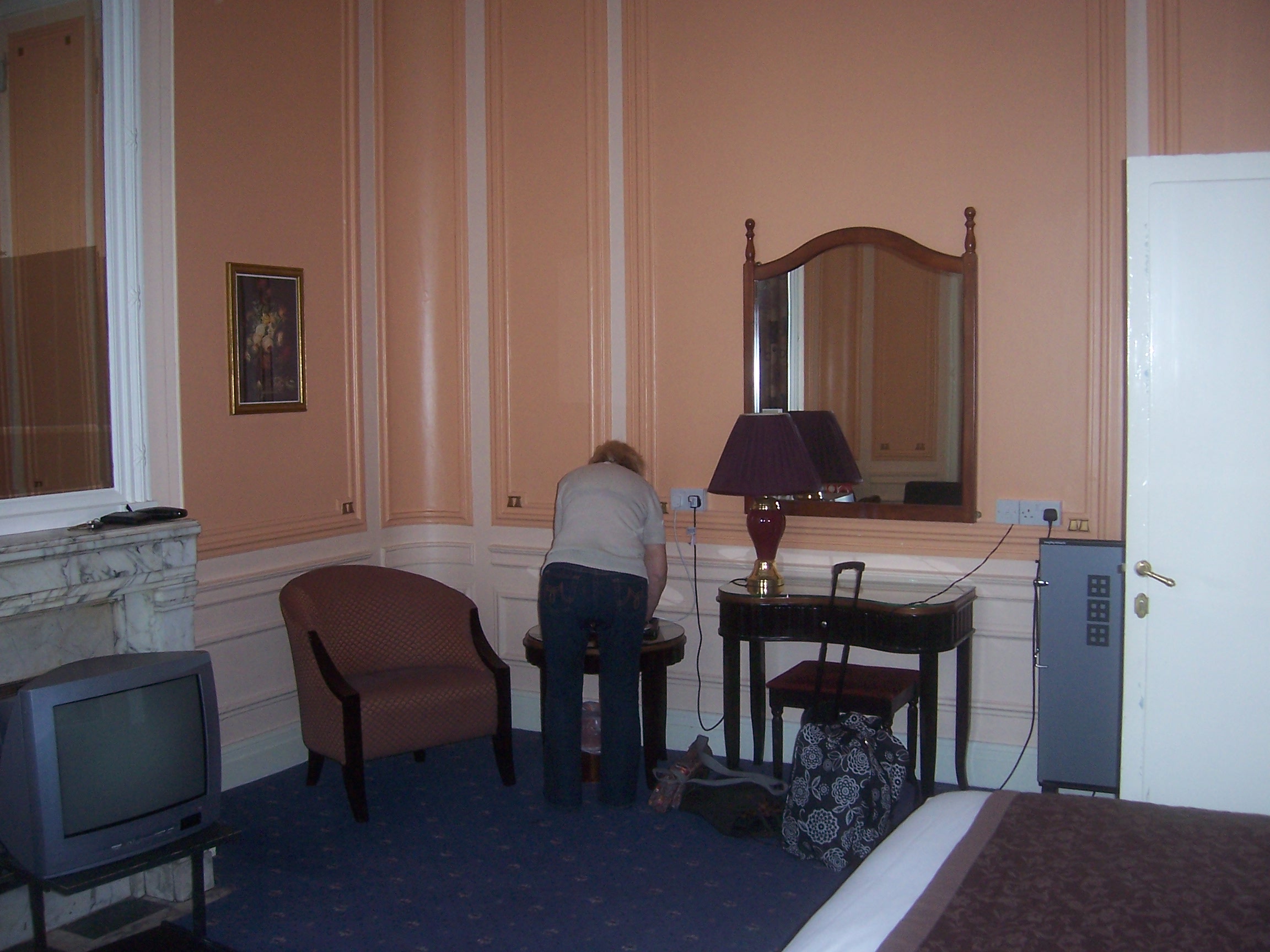
The Adelphi Hotel, we discovered, was originally built (and later refurbished) to cater for passengers bound for the Titanic, and much of its interior still reflects the opulence of that ill-fated liner. The rooms are vast, truly cavernous, and sumptuously furnished; marble appears at every turn. Rumour has it there are five swimming pools hidden somewhere in the sprawling warren of corridors, though we didn’t stumble upon any.
Yet for all its grandeur, the Adelphi is a little frayed at the edges these days. You can sense that the management and staff are fighting a losing battle to preserve their former glory. Still, it remains one of the few places where you can get a genuine feel for what life must have been like for the extremely wealthy in the early 20th century, without having to use too much imagination. Nowadays, of course, instead of aristocrats and magnates, it welcomes coach parties. Times change.

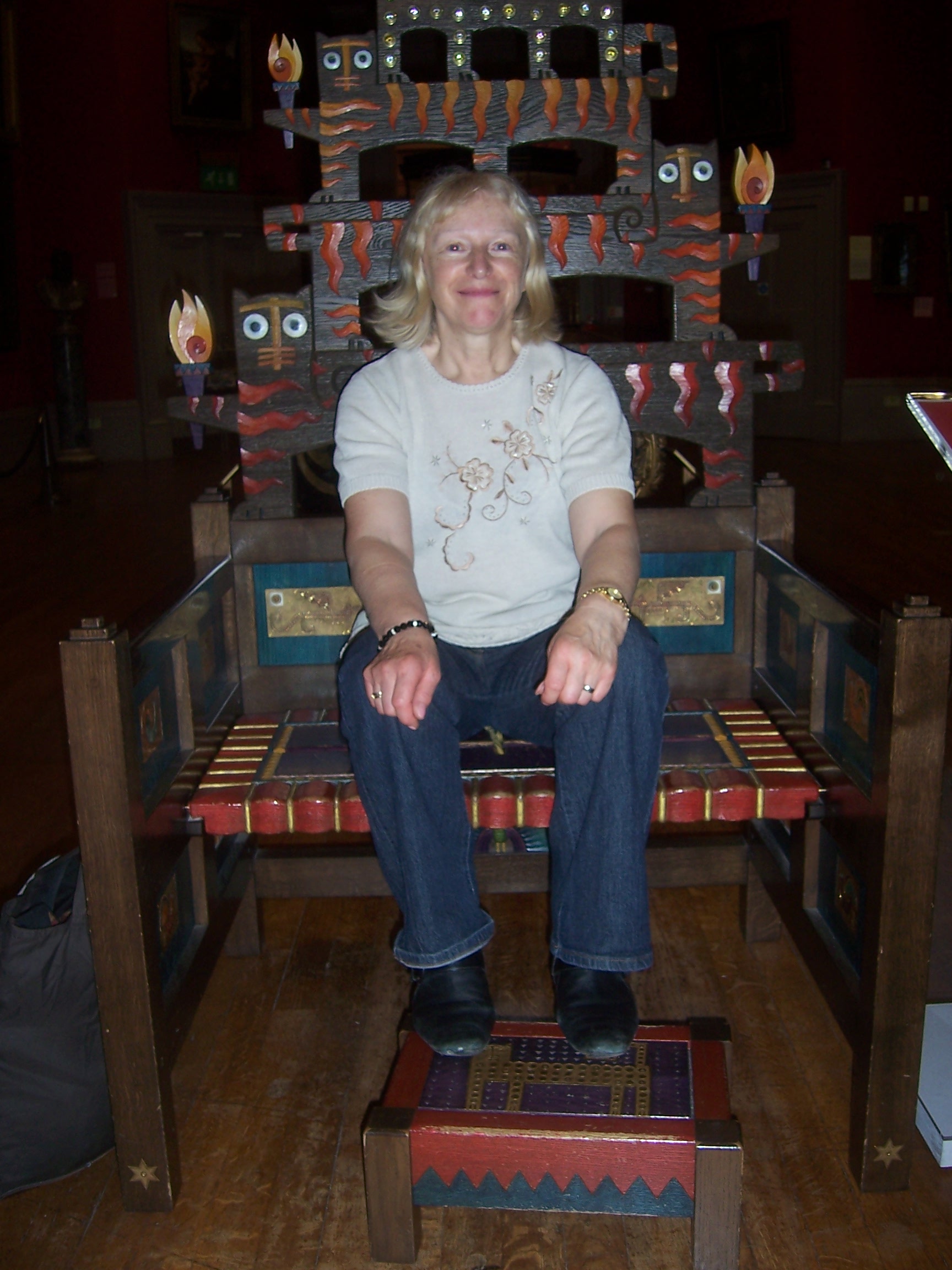


That evening, after dining in the hotel, we strolled to the theatre. We had booked ourselves a sofa for two (very civilised, I thought), only to discover that the couple seated next to us at dinner were now just a couple of sofas away. Clearly, Liverpool has a way of keeping everyone together.
![WP_20140527_003[1]](https://davidp53.com/wp-content/uploads/2014/06/wp_20140527_0031.jpg) The play itself was a comedy, cleverly staged in the setting of a local radio station. It was being recorded for live broadcast, and the audience was encouraged to laugh, clap, and cheer at the appropriate moments. Not that any encouragement was needed, it was genuinely very funny, and the cast kept the pace snappy throughout.
The play itself was a comedy, cleverly staged in the setting of a local radio station. It was being recorded for live broadcast, and the audience was encouraged to laugh, clap, and cheer at the appropriate moments. Not that any encouragement was needed, it was genuinely very funny, and the cast kept the pace snappy throughout.
Afterwards, still chuckling, we took a late-night wander around the city, enjoying Liverpool by lamplight, before finally returning to the hotel for a most decadent night’s slumber.


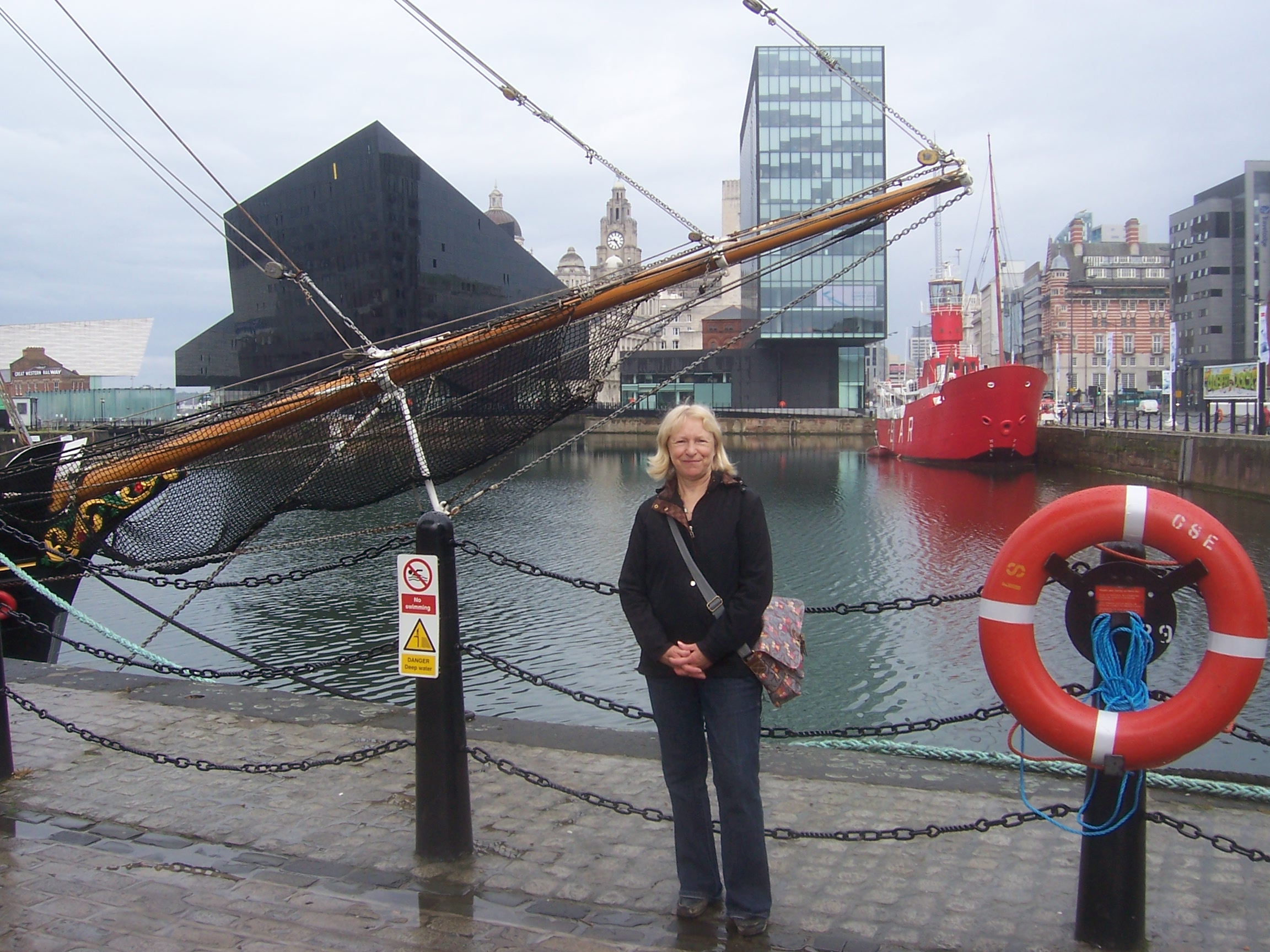
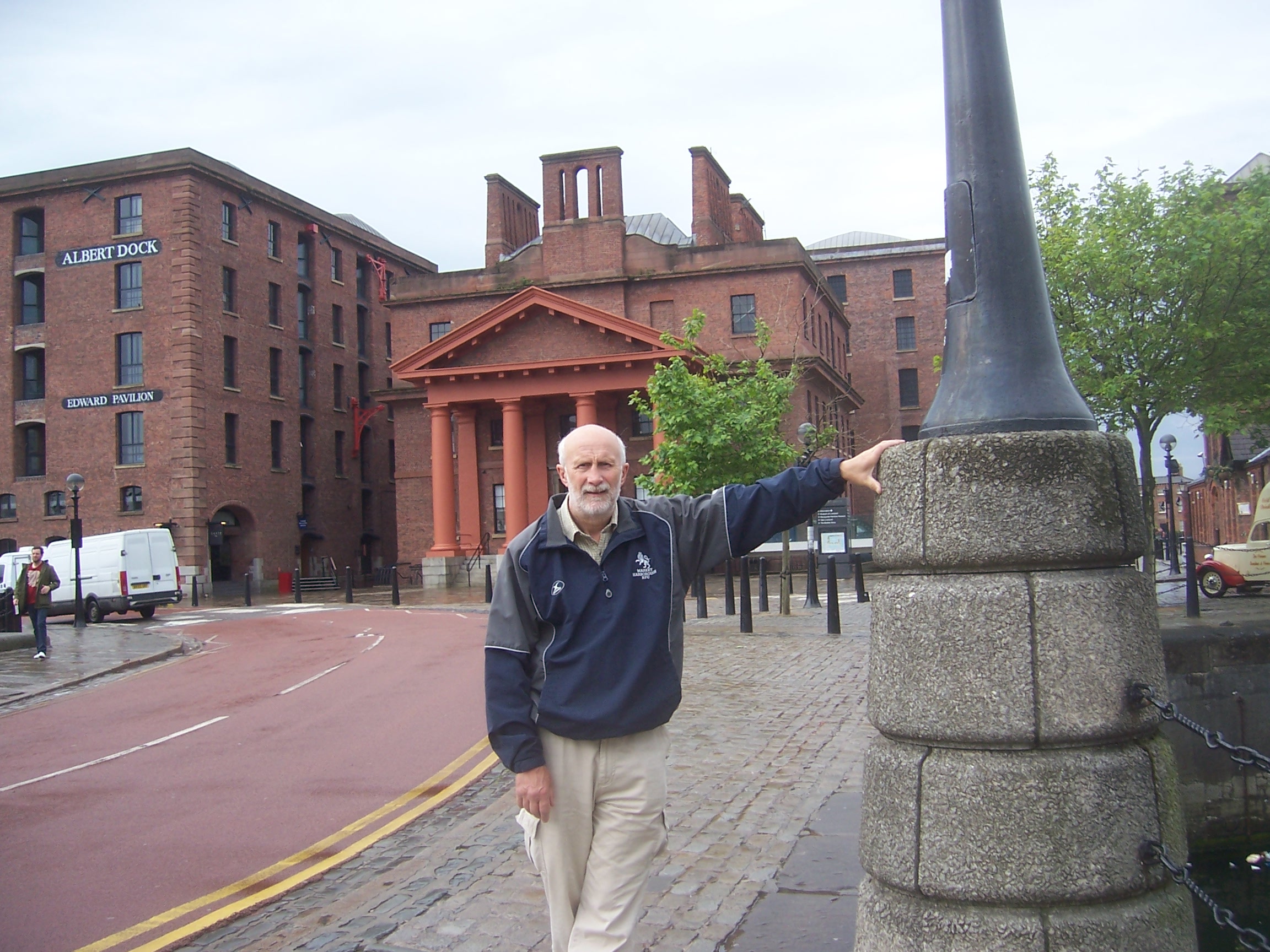
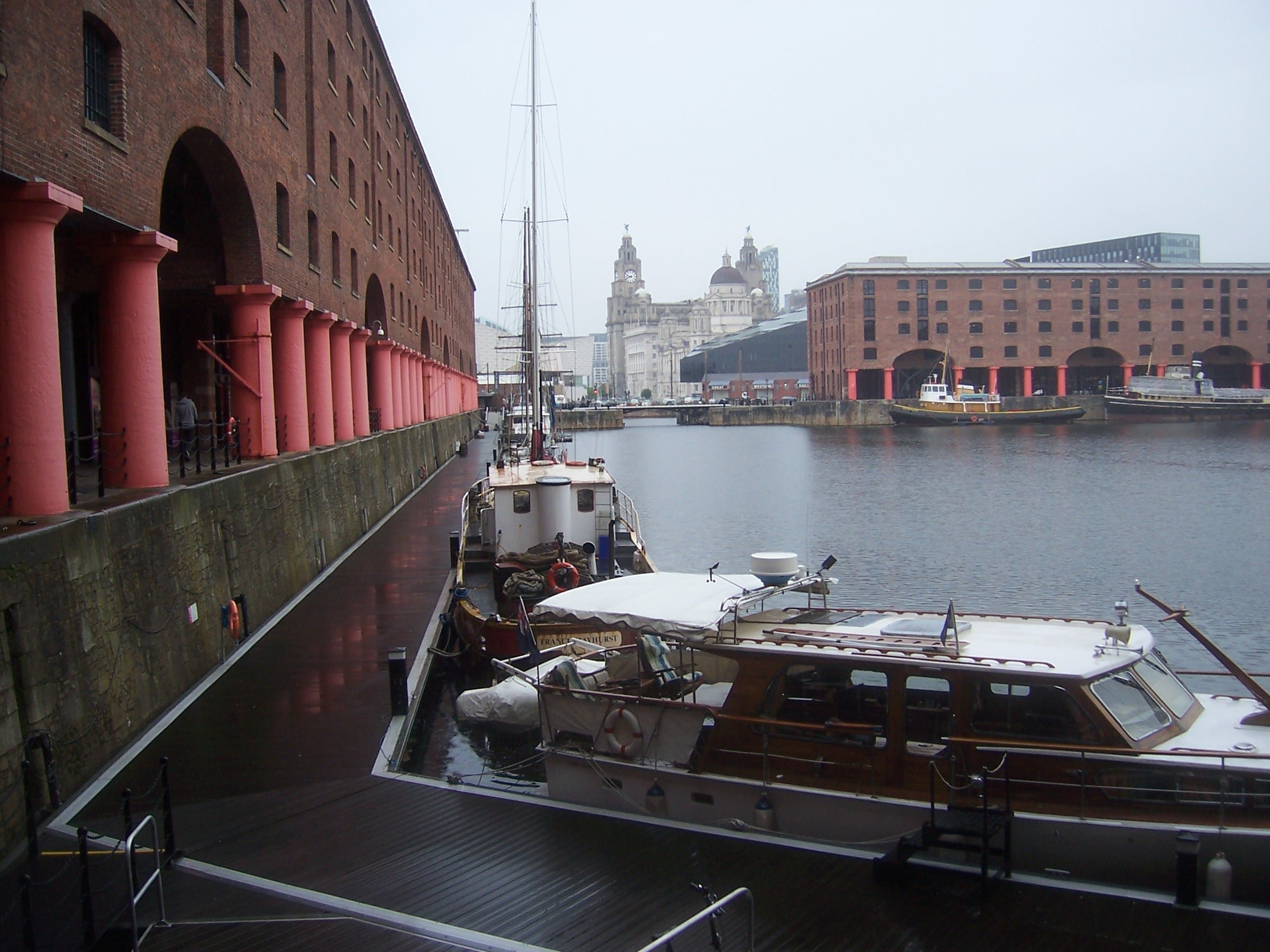
It was raining when we checked out after breakfast, but as Sue was keen to visit the Albert Docks, we made our way there regardless. The rain was relentless, drumming on the pavements and chasing us under every awning. We didn’t linger as long as we might have liked, but we got a feel for the place, enough to know it deserves a proper return visit on a sunnier day.
On returning to the hotel, I received a phone call from Josie to say that Nan had fallen and was in a bad way, though thankfully she didn’t require hospitalisation. We quickly set off through the Mersey Tunnel towards North Wales. In Brymbo, we found a rather sorry-looking Nan on the settee, putting on a brave face despite being in obvious pain. It transpired that, rather embarrassingly, she had fallen backwards onto the toilet seat on Monday night after the wedding reception at Josie’s. The loo handle had dug into her ribcage, leaving her badly bruised and sore. Naturally, the lack of sensible shoes, a walking stick, and the four martinis and lemonades had nothing whatsoever to do with the incident.
With some difficulty, we shoehorned her onto the back seat of my car and made the journey back to Harborough. Thankfully, it went smoothly and without further drama. Once home, we settled her in bed with painkillers and a comforting cup of tea.
The rest of the week was spent helping Nan with the basics, getting out of bed, preparing her meals, while the rest of the family pitched in with tidying, shopping, and covering when I wasn’t around. The doctor visited on Wednesday, confirmed the damage was only bruising, and prescribed more pain relief. By Friday, she was already christening her new mobility walker, complete with a shopping basket, at our family BBQ. She seems to be on the mend, though I must admit she looks more frail and vulnerable than before her Welsh adventure.
While Nan was recuperating, Charlotte and her family returned from their “terrorist activities” in Egypt. Despite being confined to the resort by the authorities because of local unrest, they had a splendid time, came home bronzed and full of stories.
Meanwhile, Sarah, though technically not yet graduated, has entered the world of work. Her dissertations (the last of which earned a First) and exams were behind her, and she sensibly seized the opportunity to start earning. She is now employed as a Support Worker for disaffected families in Shepshed. I had been looking forward to whisking her away to Thailand to celebrate the end of her course, but work has called sooner than expected.
It should also be noted that we haven’t acquired a new family member; it is simply that Sarah has changed her hair colour. If I hadn’t known and met her in the street, I doubt I’d have recognised her. Perhaps that will prove useful in her new line of work!
 A couple of weeks ago, Sarah attended an interview for Northamptonshire Police. I drove her to headquarters and waited while she was put through her paces. The process is still ongoing into July, and it seems they’re still unsure how many posts (if any) will actually be available. Last week, she travelled to Holloway Prison in London for an assessment day, which appeared to go well. Again, no definite posts were on offer, so time will tell. In the meantime, she seems genuinely enthusiastic about her current job, enjoying discussing the cases she is handling. This week she’s attending a training course in Nottingham and staying at Lee’s to save on petrol. We’ve been promised a catch-up on Thursday.
Jamie, meanwhile, only manages brief visits, as he is kept busy with work, friends, and cars. I popped round a couple of times for coffee after visiting the allotment and was surprised to see Harley there on both occasions, apparently cooking Jamie’s dinner! His car spent a couple of days in the garage, so I gave him a lift to work and back. On one trip, his boss came out to introduce himself. He seemed friendly enough, though our conversation was brief; I had to get back to Harborough.
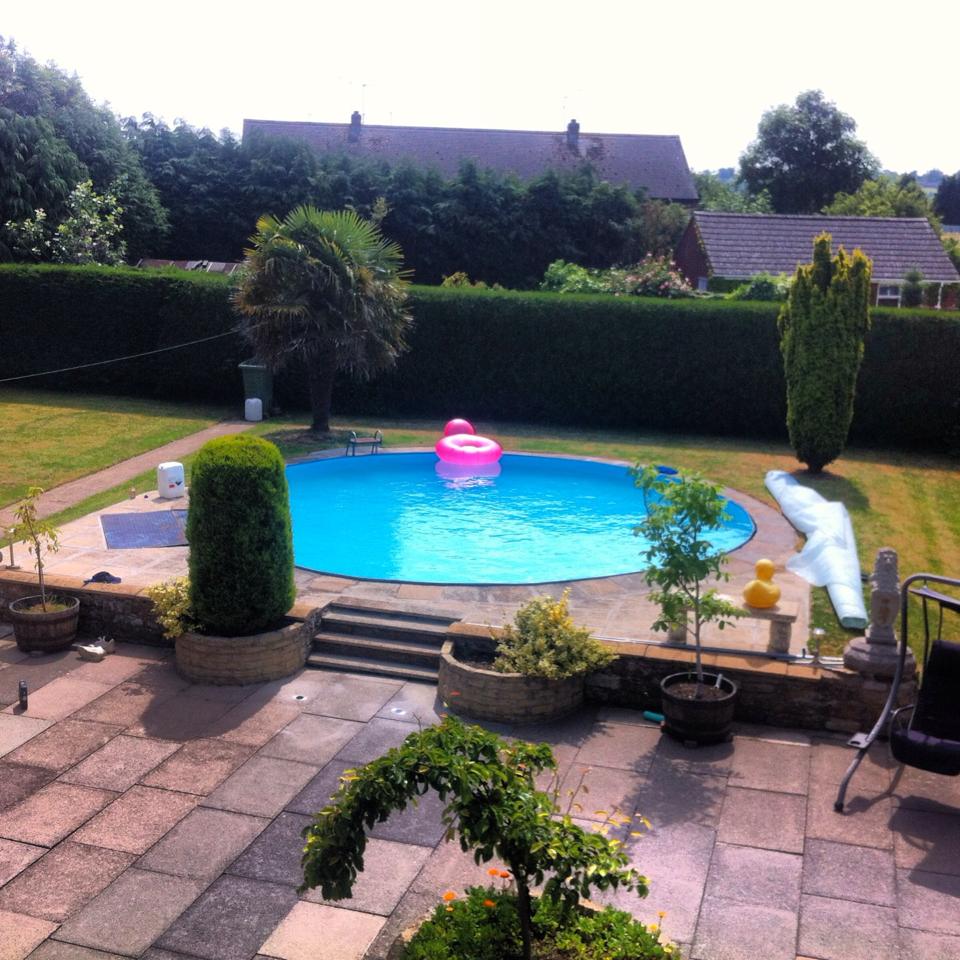
A couple of weeks ago, on a fine, hot day, Jamie brought quite a few friends and their children to swim in the pool. Though the water was refreshingly cool compared to the sun-baked day, they all seemed to enjoy themselves, splashing about and bouncing on the trampoline. Afterwards, they politely thanked us for the use of the garden, and of course, we told them they were welcome to come again.
 On the 4th of June, it absolutely hammered down with rain all day. That evening, Jim Hankers and some friends arrived and whisked me off to the Langton Brewery for a BBQ and tasting. The rain showed no signs of letting up, but fortunately, the BBQ was in the barn, and the brewery tour was curtailed on account of the weather, allowing us to give the tasting our full, undivided attention. I think it was still raining when I got home.
The following Saturday, Sue, Charlotte, and I drove to Birstall for a Council Walk. England’s 3rd team were taking on the All Blacks in the first Test that morning, and I must confess I was far more interested in that than walking with a bunch of geriatrics. The weather forecast was dreadful, and I woke with the faint hope that the walk would be cancelled. No such luck.
Plan B came into play: I got in some vital “early practice walking” to the Angel Hotel, where, luckily, the match was showing and quite a few friends were gathered. I watched the contest until half-time, at which point Sue and Charlotte arrived at our pre-arranged rendezvous. Together we drove to the Old Plough in Birstall. I kept up with the match on the radio. Some members in the group were from Birstall RUFC, so to be sociable I joined them and we chatttered amiably about rugby, disappointed that the match eventually ended disappointingly for England.
By the time we set off on what was probably a very scenic trek through the Water Meadows of Water Mead Country Park, the rain came down with a vengeance, annoyingly, two hours too late! By the end of the ramble, those without proper rain gear were thoroughly soaked, and those of us with waterproofs were drenched. It was that bad!!!
However, we saw plenty of nonchalant ducks, crept within a few metres of a very indifferent heron, waved at some unfortunate scouts holding a fund-raising fete in the rain, and admired a fair number of ponds. On our return to the pub, we tucked into some excellent food before heading home through skies that were finally clearing.
![WP_20140607_001[1]](https://davidp53.com/wp-content/uploads/2014/06/wp_20140607_0011.jpg)
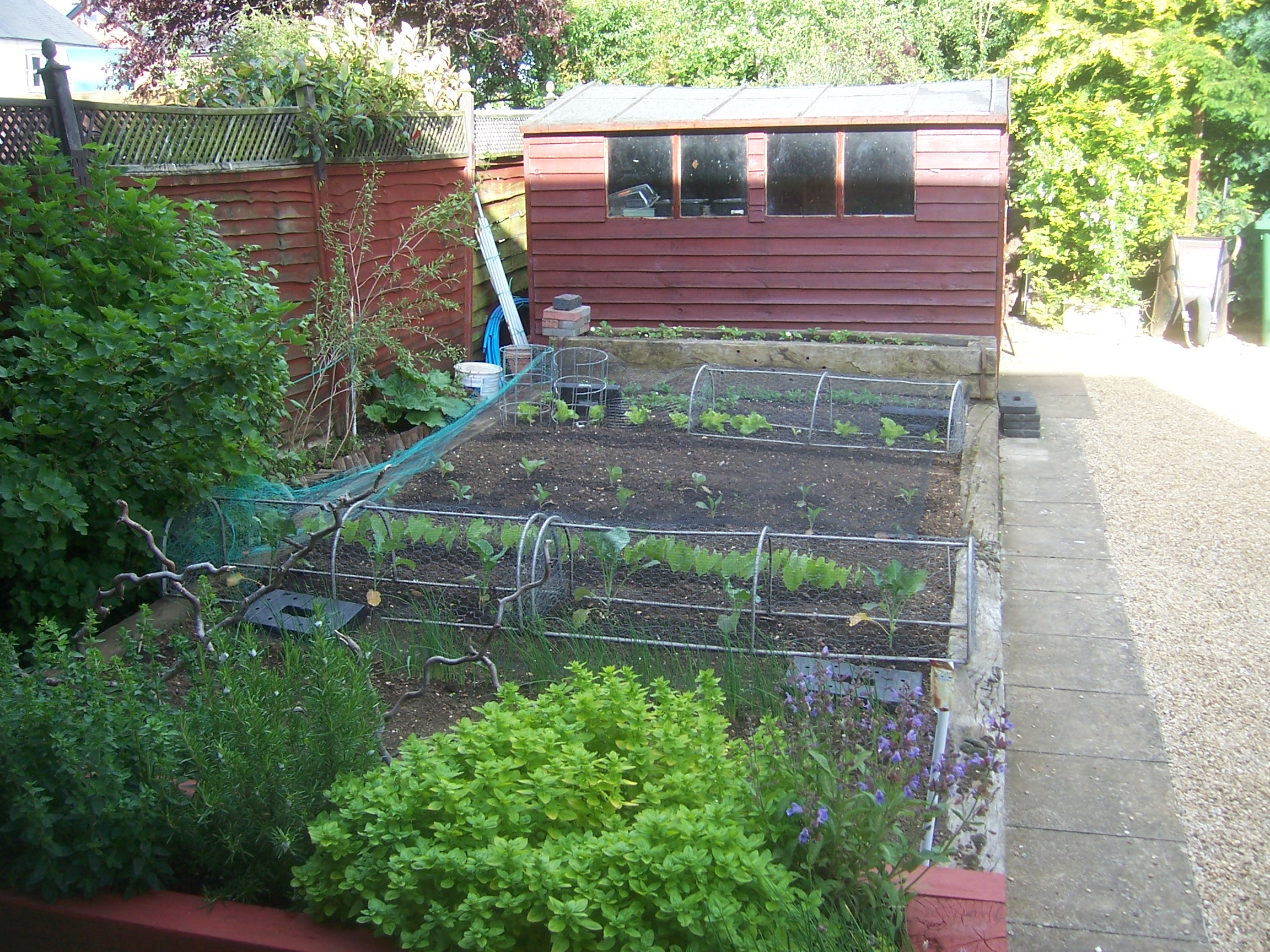
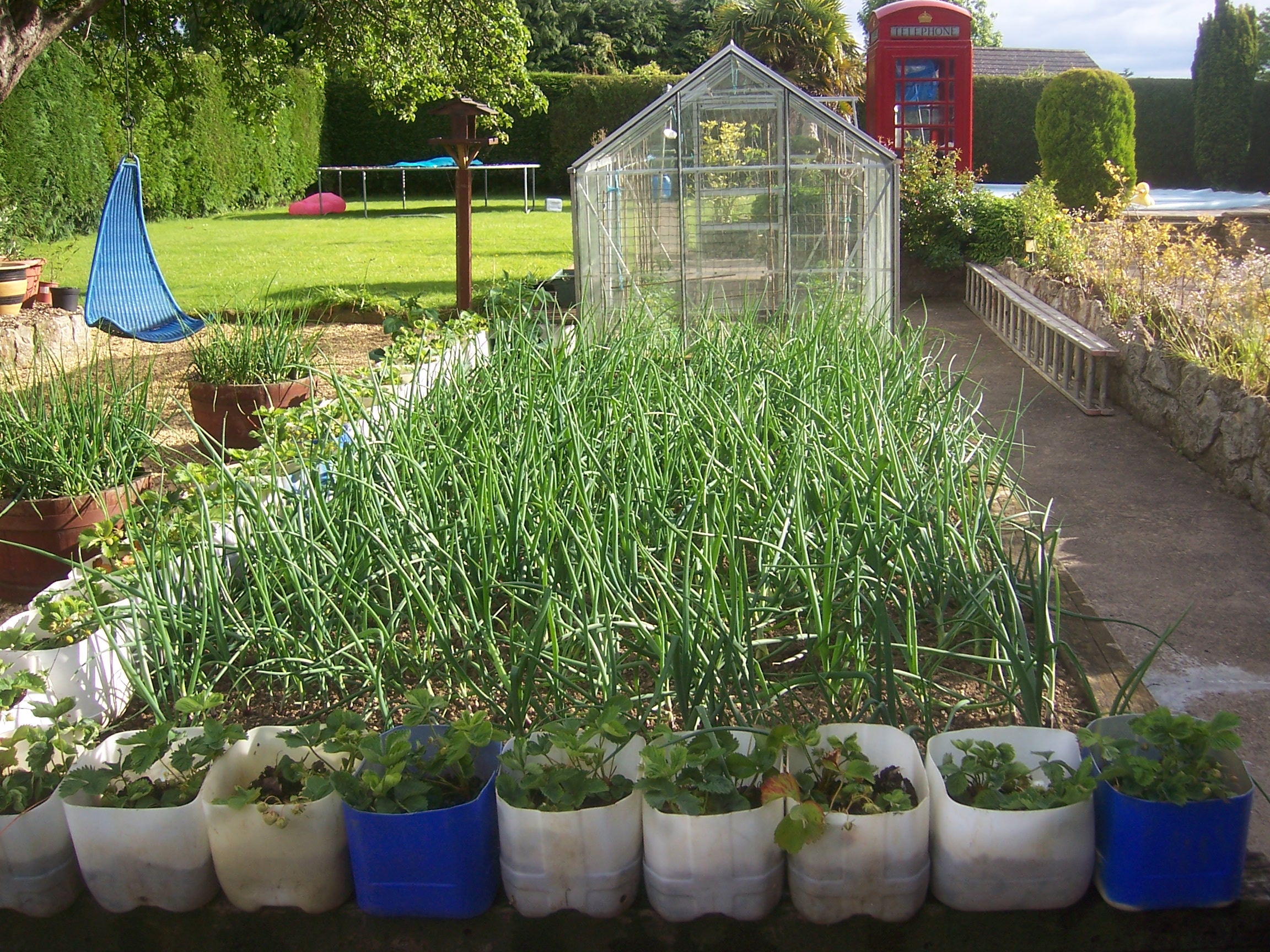
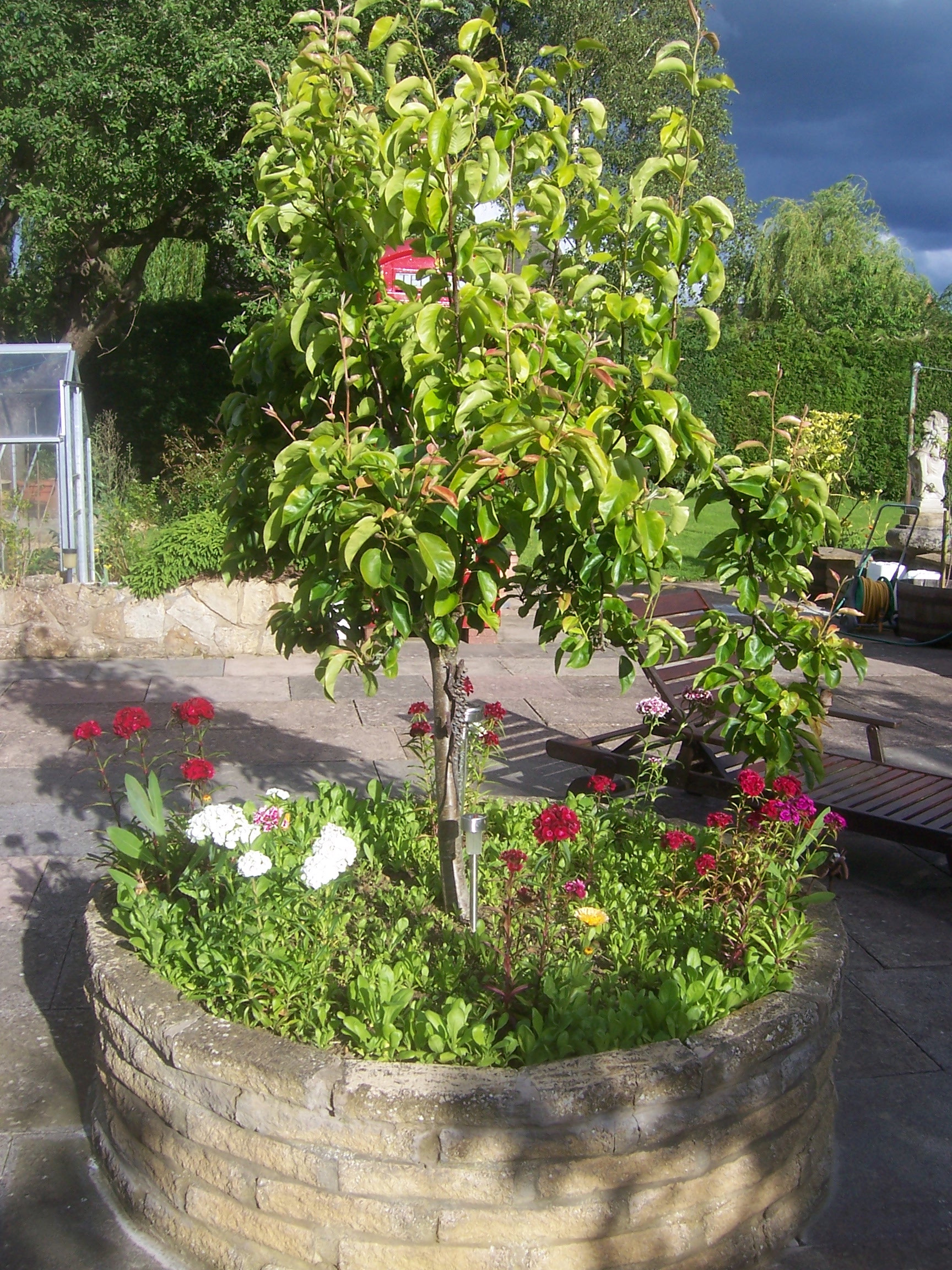
![WP_20140607_004[1]](https://davidp53.com/wp-content/uploads/2014/06/wp_20140607_0041.jpg) On Sunday, the Rothwells came over to collect Sue for a visit to the National Open Farm Day at Farndon Fields Farm. While they were busy sitting on tractors, clambering onto combine harvesters, inspecting various farm animals, sniffing at crops, and polishing off an impressive number of enormous strawberries, I kept myself occupied at home, clearing out the back of the shed, mowing the lawn, and giving the pool a good clean.
On Sunday, the Rothwells came over to collect Sue for a visit to the National Open Farm Day at Farndon Fields Farm. While they were busy sitting on tractors, clambering onto combine harvesters, inspecting various farm animals, sniffing at crops, and polishing off an impressive number of enormous strawberries, I kept myself occupied at home, clearing out the back of the shed, mowing the lawn, and giving the pool a good clean.
They returned in time for lunch, and for dessert, naturally, more of those colossal strawberries made an appearance. Clearly, the farm had left a lasting impression!



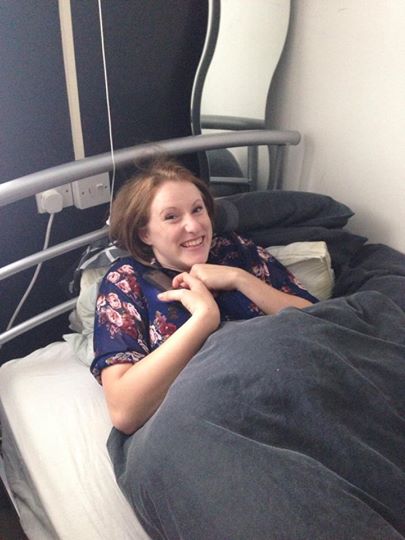 BREAKING NEWS: Sarah rang last night to let us know she’d achieved a First in her exams! Well done, Sarah, absolutely fantastic news and a thoroughly deserved reward for all your hard work, and a thoroughly deserved reward for all your hard work.
The moment Sarah found out how well she had done.
 Palmer Family
Leave a comment