26th October 2011
A lucky France beat Wales in the Rugby World Cup, and the following weekend promptly lost to New Zealand in a tight match. Meanwhile, my week was every bit as dramatic, if somewhat less dignified.
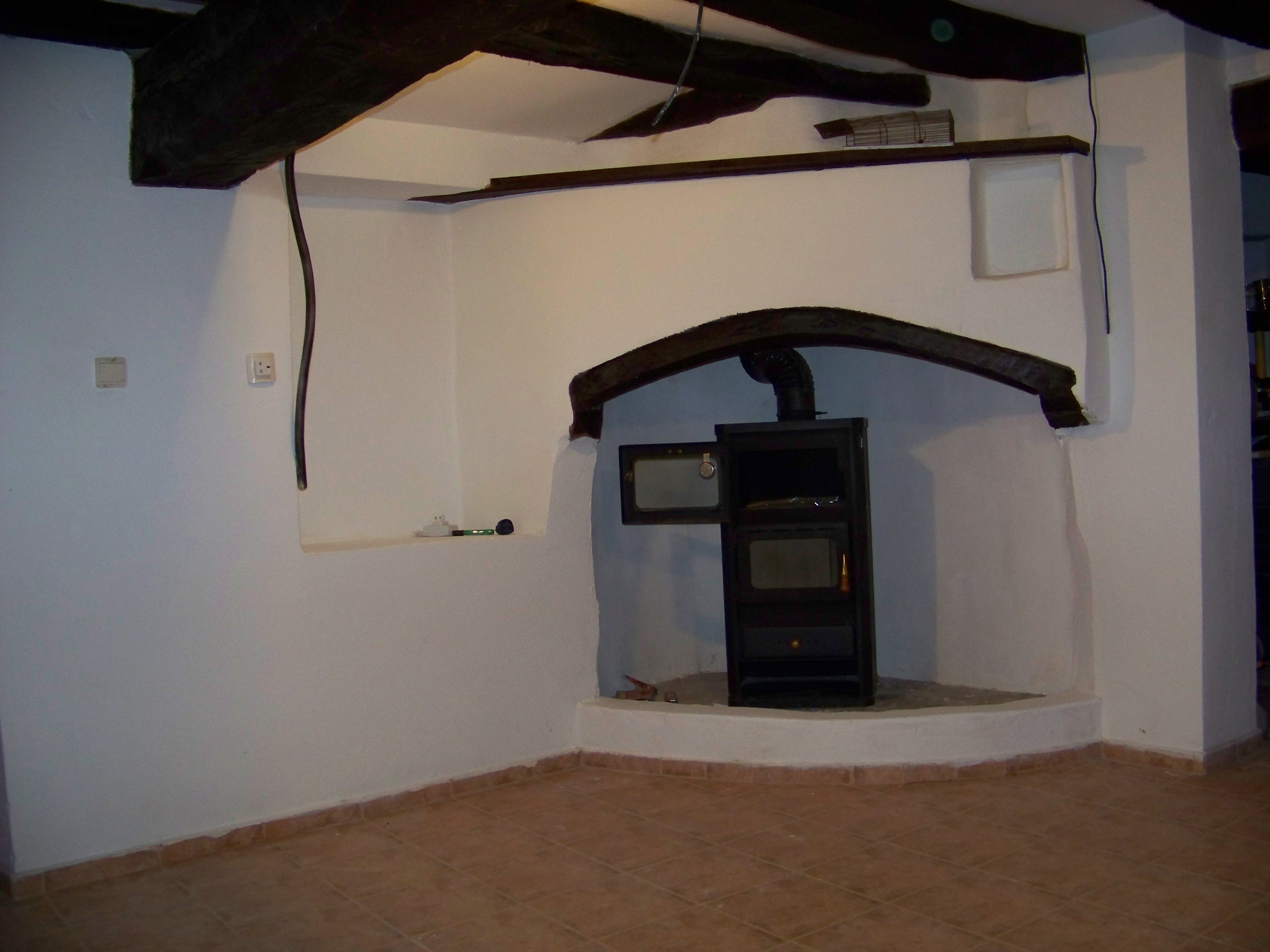
We had two days of torrential rain, during which the Turks failed to turn up for work, again. On day one, we tackled a few indoor jobs requiring neither much effort nor enthusiasm. Day two was meant to bring the local policeman to measure up for steel barn doors, but he too failed to appear, as did the electrician. Instead, we spent the morning planning future projects before deciding to brave the weather and head to Veliko Tarnovo in search of a petchka (woodburner) for the new downstairs apartment.
Several hours, dozens of models, and countless debates later, David settled on one in Praktika… only to change his mind repeatedly while the assistant fetched a sack barrow. In the end, we left with the same model we already had upstairs. The entire exercise had taken a mere five hours.
By the time we set off home, it was dark, still raining, and we completely forgot to buy the snow tyres we’d planned to get. As we approached Ritya, the rain turned to sleet, a warning sign we blithely ignored.
At 2 am, I got up for the loo and saw snow covering the ground. By 7 am, it was a thick, pristine blanket stretching to the horizon, and we had no electricity or water. Fallen trees had taken out the power lines and blocked the road. Picturesque, yes, but also rather impractical.
We set about digging paths, collecting snow to melt for water, and firing up the camping stove for tea. David, heroic on his quad with a chainsaw, vanished into the distance to clear the road. Power was restored later that afternoon.
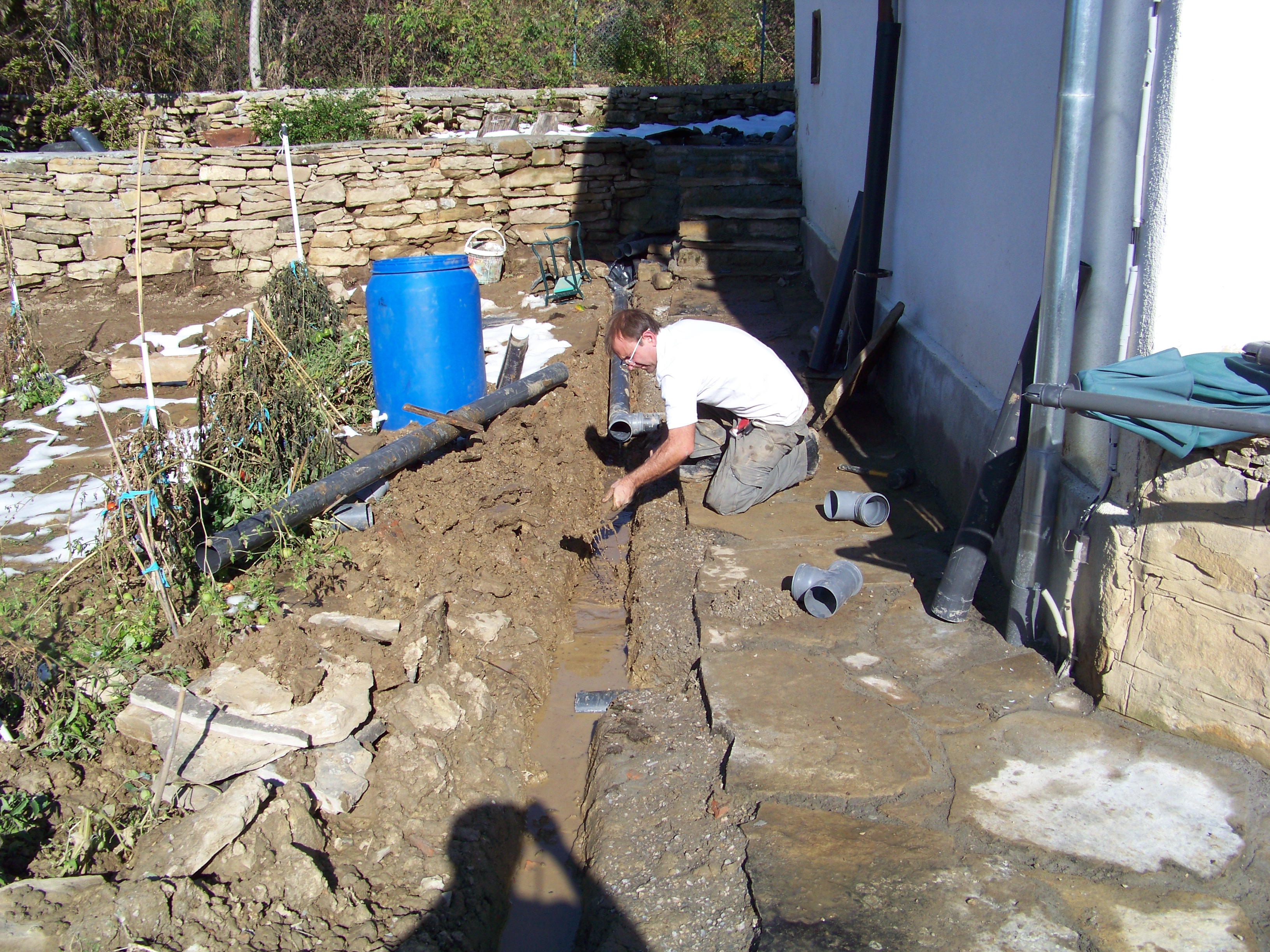
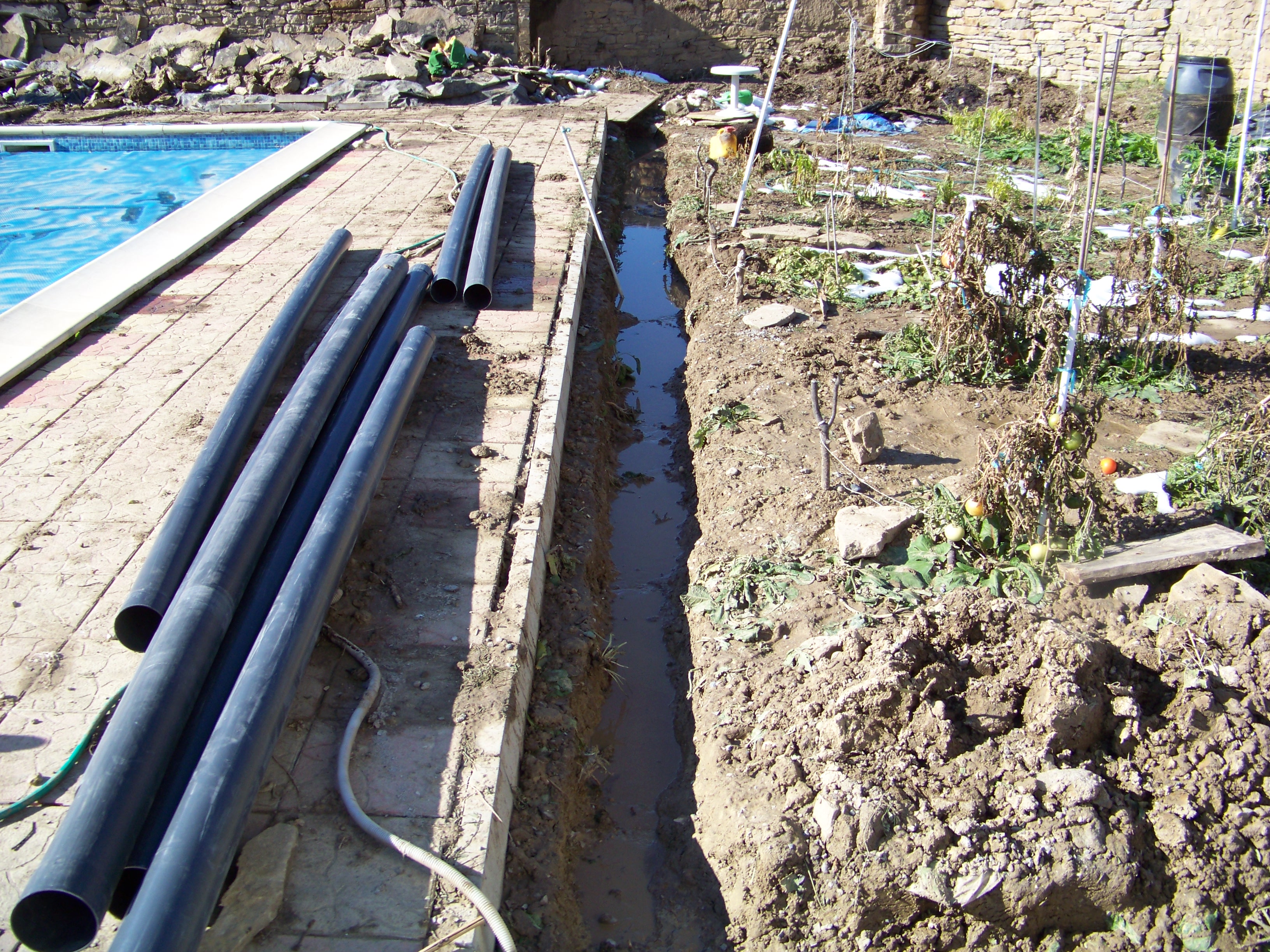
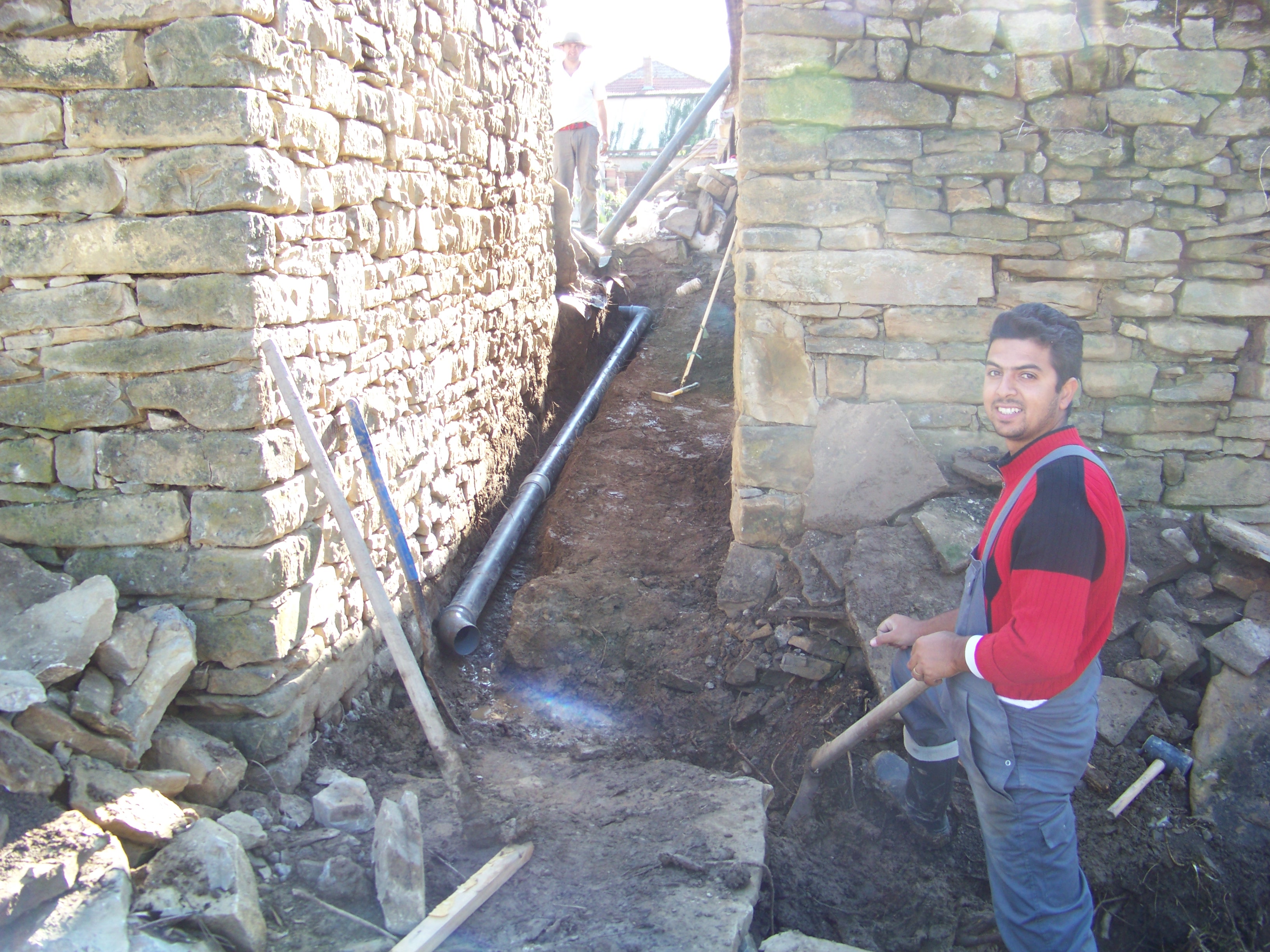
Amazingly, the next day was warm and sunny. David continued his tree-clearing efforts, while the snowplough, hero of the hour, managed to clear the lane beyond the village, but couldn’t get over the bridge. By week’s end, the snow had gone, the Turks had reappeared, and we were digging a drainage ditch. Naturally, the melting snow kept filling it up, so we were, in effect, digging underwater. Still, the pipes went in first time, a Ritya miracle, and the garden began to dry out.
We built a new wall and had a steel door fitted to one barn. Unfortunately, the policeman who made it thoughtfully put the locks on the outside. He left before David could point this out, later insisting to me that it “wasn’t finished”, though he declined to say when it might be.
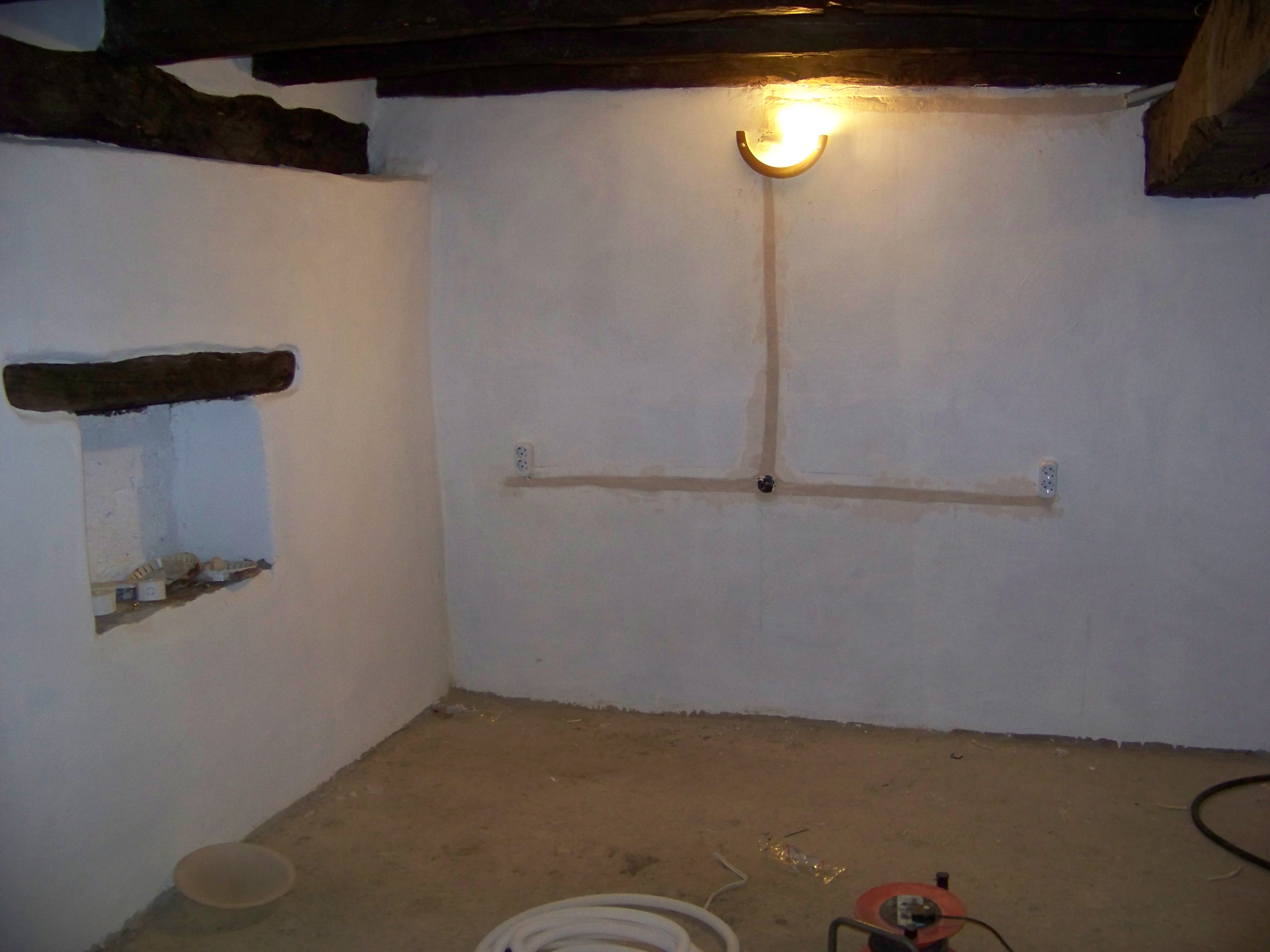
The Russian electrician, Vlado, finally arrived on Sunday afternoon, stayed two hours, then promised to return “tomorrow”. He did, and worked a 10-hour day while I plastered behind him. You get to know a man well when you follow him around a room with a trowel.
On my penultimate day, David was up at 5 am cleaning the house for Genya’s inspection. The Turks tidied the garden, we drained the last of the beer, and retired early ahead of my 6 am departure for Sofia Airport.
The journey started well, but soon became an obstacle course: a broken-down lorry, a broken-down car, three gypsies pushing another broken-down car, and finally, tree-felling works. I made my flight by the skin of my teeth.
Reflections: In the UK, “No problem” means the job will be done to your satisfaction. In Bulgaria, it seems to mean, “We have no idea what we’re doing, but we’ll give it a go with whatever tools happen to be lying about.” This may explain why Bulgarian and Turkish tradesmen rarely own tools, or even suitable shoes, and why you must supply everything from gloves to pliers. Lend them anything and it’ll be buried under snow or left wherever they last used it.
Papa, our senior Turkish labourer, was a lovely man with the survival instincts of a lemming. He once tried to keep warm by lighting a fire with a full can of petrol, resulting in a mushroom cloud and a slightly singed Papa. Another time, he attempted to dry his fleece over our new woodburner, only to set it ablaze.
His “help” was equally hazardous. He’d heap great dollops of mortar onto bricks, ignoring my protests, and would happily snap off pipe ends while “helpfully” standing on them, giving us lengths that were technically the right size, but with a jaunty chipped edge.
Bulgarian cuisine is generally excellent, especially the white cheese, a delicious feta that goes with everything. The yellow cheese, however, tastes faintly of straw and turns to grit when cooked. Best used for road repairs.
Ordering food is a game of chance. Don’t expect starters before mains, vegetables with meat, or even the right dish. On my return flight, the Wizz Air magazine later informed me that Bulgarians serve food “as it’s ready”, which explains why chips might arrive with dessert, or a salad might replace your chicken fricassée entirely.
Adding to the challenge, many waitresses bring their boyfriends to work. This inevitably leads to mid-service flirting, which may explain why my chicken paella once became a chicken salad. At least the beer usually arrives on the right day.



 Palmer Family
Leave a comment